Foods for Better Sleep
Discover how incorporating certain foods into your diet can significantly improve sleep quality, helping you wake up refreshed and energized.
For informational purposes only. This article is educational and is not a substitute for professional medical advice, diagnosis, or treatment. Always consult a qualified healthcare provider about anything affecting your health. Read full disclaimer.
Foods for Better Sleep
Getting a good night's sleep is fundamental to our overall health and well-being. From regulating our mood and cognitive function to supporting our immune system, the benefits of quality sleep are far-reaching. While various factors influence sleep, our diet plays a surprisingly significant role. Certain foods contain compounds that can promote relaxation and aid in the production of sleep-inducing hormones, while others can disrupt it. Let's explore how strategic food choices can pave the way for more restorative rest.
The Science Behind Food and Sleep
Several key compounds found in food can influence sleep patterns. Tryptophan, an amino acid, is a precursor to serotonin, a neurotransmitter that helps regulate mood and prepare the body for sleep. Serotonin is then converted into melatonin, the hormone primarily responsible for controlling our sleep-wake cycle. Carbohydrates can help make tryptophan more available to the brain. Magnesium and potassium are minerals that support muscle relaxation and nerve function, both crucial for falling asleep naturally. Additionally, some foods contain antioxidants that can reduce inflammation and improve overall health, indirectly benefiting sleep.
Top Foods to Incorporate for Better Sleep
1. Cherries (Especially Tart Cherries)
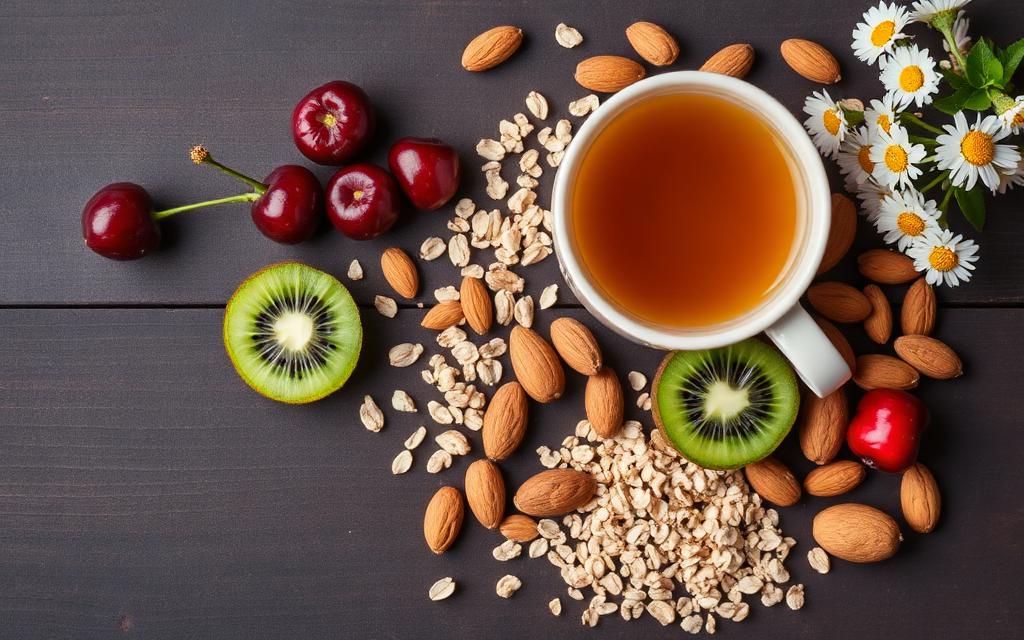
Tart cherries are a natural source of melatonin, the sleep hormone. Studies suggest that consuming tart cherry juice or whole tart cherries can help improve sleep quality and duration. They also contain anti-inflammatory compounds that may contribute to better sleep by reducing pain or discomfort.
2. Warm Milk
The age-old remedy of warm milk before bed isn't just a myth. Milk contains tryptophan, and the warmth can be soothing. Additionally, milk provides calcium, which helps the brain use tryptophan to make melatonin. For those who are lactose intolerant, almond milk or oat milk, often fortified with calcium, can be good alternatives.
3. Fatty Fish
Salmon, tuna, mackerel, and other fatty fish are excellent sources of vitamin D and omega-3 fatty acids, particularly EPA and DHA. Research indicates that a combination of these nutrients can increase serotonin production and improve sleep quality. Omega-3s are also known for their anti-inflammatory effects, which can further benefit sleep.
4. Nuts and Seeds
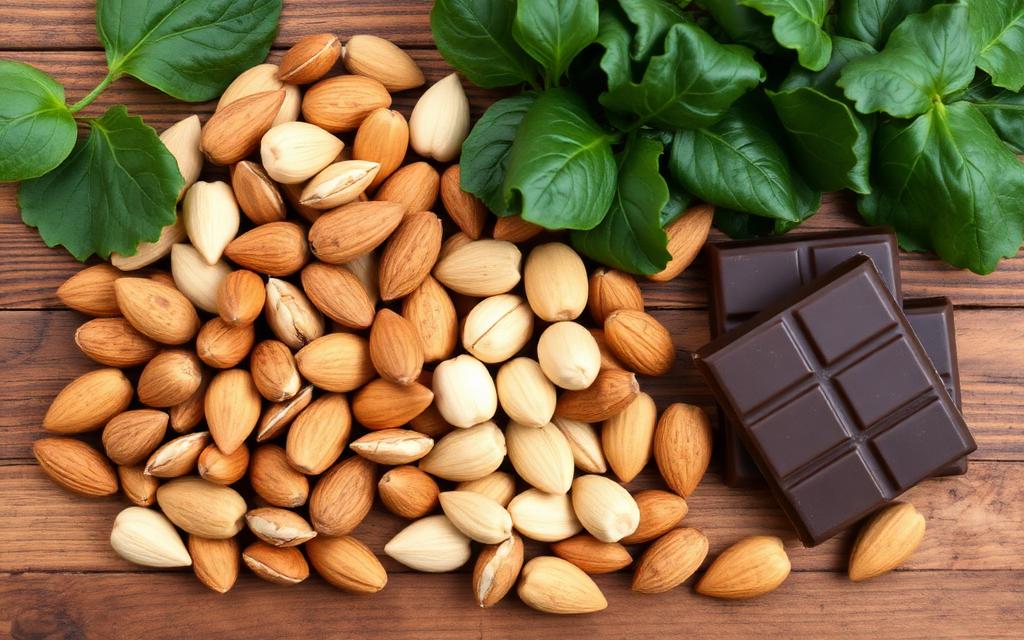
Almonds, walnuts, flaxseeds, and pumpkin seeds are rich in magnesium and zinc, two minerals that play a role in sleep regulation. Magnesium helps relax muscles and nerves, while zinc has been linked to improved sleep quality and duration. Walnuts also contain some melatonin. These make for a healthy, sleep-friendly snack option.
5. Whole Grains
Oats, quinoa, and whole-wheat bread are complex carbohydrates that promote a steady release of insulin. This insulin surge can help tryptophan, along with other amino acids, enter the brain more readily, where it can then be converted into serotonin and melatonin. They also provide B vitamins, which are involved in the production of sleep-regulating hormones.
6. Leafy Greens
Spinach, kale, and other leafy greens are packed with magnesium, a mineral crucial for over 300 biochemical reactions in the body, including muscle and nerve function, and sleep regulation. A deficiency in magnesium can contribute to insomnia and restless sleep.
Foods and Habits to Limit
While adding sleep-friendly foods is beneficial, it's equally important to be mindful of what to avoid, especially close to bedtime. Caffeine and alcohol, for instance, are notorious sleep disruptors. Caffeine can stay in your system for hours, blocking sleep-inducing chemicals in the brain. Alcohol might initially make you feel drowsy, but it often leads to fragmented sleep later in the night. Heavy, spicy, or high-fat meals close to bedtime can also cause indigestion and discomfort, interfering with sleep.
Creating Sleep-Friendly Eating Habits
Beyond individual foods, consider the timing and portion sizes of your meals. Eating your largest meal several hours before bed allows for proper digestion. A light, sleep-promoting snack an hour or two before sleep can be beneficial. Consistency in your eating schedule, much like a consistent sleep schedule, can help regulate your body's internal clock.
Incorporating these dietary strategies can be a powerful step towards achieving more restful and rejuvenating sleep. By making informed food choices, you can naturally support your body's sleep cycles and enhance your overall well-being.
Disclaimer: The information provided in this article is for general knowledge and informational purposes only, and does not constitute medical advice. Always consult with a qualified healthcare professional or registered dietitian for any health concerns or before making any significant changes to your diet or lifestyle.
Related reading
- Natural Sleep Aids — Discover natural approaches to improve sleep quality using evidence-backed remedies. Learn about herbs, supplements, and…
- Sleep and Mental Wellness — Discover the profound connection between sleep and mental health. Learn how prioritizing sleep can significantly improve…
- Preventing Type 2 Diabetes: Practical Steps — Weight management, activity, sleep, and diet quality strongly reduce type 2 diabetes risk.
- Magnesium Sources Naturally — Discover how to naturally boost your magnesium intake through diet for better health. Learn about the best food sources …
- How to Create a Healthy Home — Transform your living space into a sanctuary of well-being with these practical, evidence-based tips for a healthy home …
Written by
Health Hub Pro Editorial
Health writer at Health Hub Pro, focused on evidence-based, Sharia-conscious wellness.
View author profile →