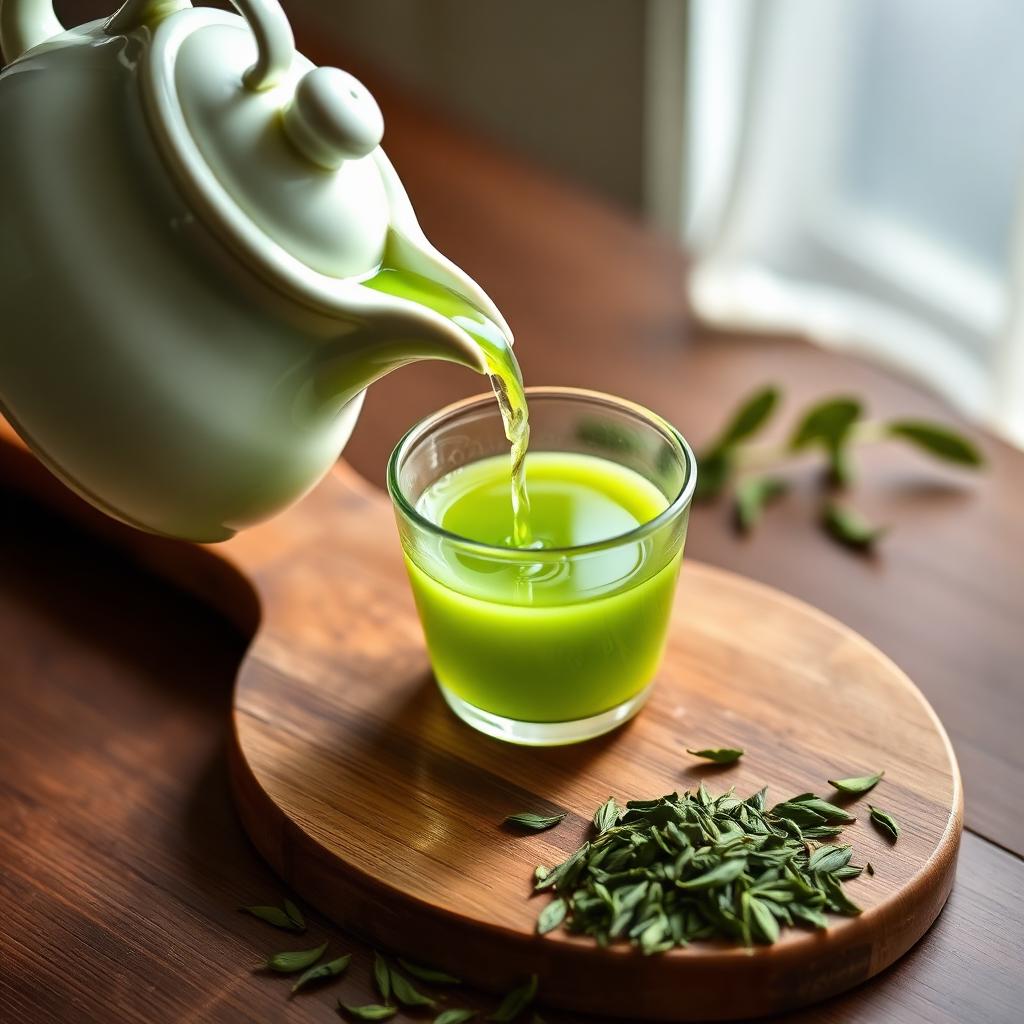
Green Tea and Everyday Antioxidants
Green tea polyphenols may support cardiovascular and metabolic health as part of a balanced diet.
For informational purposes only. This article is educational and is not a substitute for professional medical advice, diagnosis, or treatment. Always consult a qualified healthcare provider about anything affecting your health. Read full disclaimer.
Green Tea and Everyday Antioxidants
Introduction
Green tea, derived from the Camellia sinensis plant, has been consumed for centuries, particularly in Asian cultures, both for its flavor and purported health benefits. The increasing global interest in natural health solutions has brought green tea into the spotlight, largely due to its rich content of polyphenols, a type of antioxidant. These compounds are believed to play a role in various physiological processes, potentially supporting cardiovascular and metabolic health when incorporated into a balanced diet and healthy lifestyle. This comprehensive guide reviews the current evidence regarding green tea's bioactive components, discusses its potential health implications, and outlines practical considerations for its consumption. It is important to approach health claims with a critical perspective, grounding practices in scientific evidence and personalized professional medical advice.
This information is not medical advice. Always consult with a qualified healthcare professional for personalized medical advice.
What causes it (evidence-based)
The beneficial properties associated with green tea are primarily attributed to its high concentration of polyphenols, particularly a subgroup known as catechins. The most abundant and well-studied catechin in green tea is epigallocatechin gallate (EGCG), alongside epicatechin (EC), epigallocatechin (EGC), and epicatechin gallate (ECG). These compounds are potent antioxidants, meaning they can neutralize free radicals in the body, which are unstable molecules that can cause cellular damage and contribute to various chronic diseases.
Beyond their antioxidant capacity, catechins in green tea are believed to exert their effects through several mechanisms:
- Anti-inflammatory properties: Catechins may modulate inflammatory pathways, potentially reducing chronic inflammation, which is implicated in conditions like heart disease and metabolic syndrome.
- Cardiovascular support: Research suggests that green tea polyphenols may contribute to cardiovascular health by improving endothelial function (the lining of blood vessels), reducing LDL (bad) cholesterol oxidation, and potentially helping to regulate blood pressure. The mechanisms involve improved nitric oxide bioavailability and inhibition of lipid peroxidation.
- Metabolic health: Some studies indicate that EGCG and other catechins may influence glucose metabolism and insulin sensitivity, potentially offering support in managing blood sugar levels. This might occur through mechanisms such as inhibiting carbohydrate-digesting enzymes and improving insulin signaling pathways.
- Neuroprotective effects: The antioxidant and anti-inflammatory actions of green tea polyphenols may also extend to brain health, with ongoing research exploring their potential role in protecting against neurodegenerative conditions.
- Antimicrobial properties: Certain catechins have demonstrated antimicrobial activity against various bacteria and viruses in laboratory settings.
The processing of tea leaves significantly impacts their chemical composition. Green tea is minimally processed, undergoing steaming, pan-firing, or drying quickly after harvesting to prevent oxidation. This rapid processing preserves the high concentration of catechins, distinguishing it from black tea, where oxidation converts many catechins into other compounds like theaflavins and thearubigins.
(Source: National Institutes of Health, American Heart Association)
Symptoms and warning signs
Green tea is generally considered safe for most adults when consumed in moderate amounts. However, excessive intake, particularly of highly concentrated extracts or supplements, can lead to adverse effects. While green tea itself doesn't cause specific "symptoms" in the way an illness does, it can produce noticeable physiological effects and warning signs if consumed inappropriately or in high doses:
- Caffeine-related effects: Green tea contains caffeine, though typically less than coffee. High intake can lead to:
- Nervousness, anxiety, or jitteriness
- Sleep disturbances or insomnia
- Headaches
- Rapid heart rate or palpitations
- Upset stomach or nausea
- Digestive issues: Some individuals may experience stomach upset, nausea, or constipation, particularly if consumed on an empty stomach due to the tannins present in green tea.
- Iron absorption interference: Tannins in green tea can bind to non-heme iron (iron from plant sources), potentially reducing its absorption. This is generally more of a concern for individuals with iron deficiency or those following vegetarian/vegan diets if tea is consumed with meals.
- Liver issues (rare but serious): In very rare cases, especially with high-dose green tea extract supplements, liver problems have been reported. The mechanisms are not fully understood but may involve idiosyncratic reactions to high concentrations of catechins.
- Drug interactions: Green tea can interact with certain medications, including:
- Anticoagulants (blood thinners): High doses of green tea and its vitamin K content may interfere with the effectiveness of these medications.
- Stimulant drugs: The combined stimulant effects could lead to excessive heart rate or blood pressure.
- Some chemotherapy drugs: Green tea catechins might interfere with the efficacy of certain cancer treatments.
- Beta-blockers: Green tea may reduce the absorption of some beta-blockers.
It is crucial to differentiate between consuming green tea as a beverage and taking concentrated green tea extracts in supplement form. Supplements often contain much higher concentrations of active compounds than typically found in brewed tea, increasing the risk of adverse effects.
(Source: Mayo Clinic)
When to see a clinician
While green tea is a common beverage, there are specific circumstances when consulting a clinician is advisable, especially if you plan to significantly alter your consumption habits, start taking green tea supplements, or experience unusual symptoms. You should see a clinician:
- Before starting high-dose green tea supplements: If you are considering taking green tea extracts, particularly in concentrated supplement form, discuss this with your clinician. This is especially important due to the potential for rare but serious side effects, such as liver damage, and interactions with medications.
- If you have pre-existing medical conditions:
- Liver disease: Individuals with existing liver conditions should exercise caution with green tea extracts and consult their clinician due to the rare risk of hepatotoxicity.
- Iron deficiency anemia: If you have iron deficiency or are at risk, discuss your green tea intake, especially if consumed with meals, as it can impair iron absorption.
- Heart conditions or high blood pressure: While low to moderate consumption is generally safe, high caffeine intake from excessive green tea might exacerbate symptoms in sensitive individuals.
- Anxiety disorders or sleep issues: The caffeine content, even if lower than coffee, can worsen anxiety or interfere with sleep in susceptible individuals.
- If you are taking medications: This is critical, as green tea can interact with various medications, including:
- Blood thinners (e.g., warfarin)
- Stimulants
- Certain chemotherapy drugs
- Drugs metabolized by cytochrome P450 enzymes
- Medications for heart conditions or blood pressure
- During pregnancy or breastfeeding: The caffeine content and other compounds in green tea might be a concern. It's best to discuss appropriate intake limits with a clinician during these periods.
- If you experience adverse reactions: Should you experience any unusual or concerning symptoms after consuming green tea or green tea supplements, such as persistent stomach upset, nausea, dark urine, yellowing of the skin or eyes (jaundice), unusual fatigue, or a rapid or irregular heartbeat, seek immediate medical attention.
- For personalized dietary or health advice: To understand how green tea might fit into your specific health regimen, particularly if you are managing chronic conditions or seeking to optimize your diet, a clinician or registered dietitian can provide tailored guidance.
(Source: Centers for Disease Control and Prevention, World Health Organization)
Treatment and management options
Green tea, primarily consumed as a beverage, is not a "treatment" for medical conditions in itself, nor is it a substitute for prescribed medications or clinical therapies. Instead, it is considered a complementary dietary component that, due to its antioxidant and polyphenol content, may support overall health and well-being as part of a balanced lifestyle. Management options related to green tea primarily involve optimizing its consumption for potential benefits while mitigating any risks.
For individuals incorporating green tea into their diet:
- Moderate Consumption: The general recommendation for brewed green tea is often cited as 2-3 cups per day, balancing potential benefits with caffeine intake and other factors.
- Brewing Methods: To maximize the extraction of beneficial compounds like catechins, steep green tea leaves in hot, but not boiling, water for 2-3 minutes. Over-steeping can increase tannin release, leading to a bitter taste and potentially more digestive upset.
- Timing of Consumption: To avoid interference with iron absorption, consider consuming green tea between meals rather than with meals, especially if you have concerns about iron levels. Avoid consuming it too close to bedtime to prevent caffeine-induced sleep disturbances.
- Food Pairings: Pairing green tea with foods rich in vitamin C (e.g., citrus fruits) may enhance the absorption of catechins.
- Avoid High-Dose Supplements Unless Directed: As discussed, green tea extract supplements can contain very high concentrations of catechins, potentially leading to adverse effects. They should only be used under the guidance of a clinician, who can assess individual suitability and potential interactions.
- Quality of Tea: Choose high-quality green tea available from reputable sources to ensure purity and minimize exposure to contaminants.
- Hydration: Remember that green tea contributes to overall fluid intake, but water should remain your primary source of hydration.
For managing potential side effects or interactions:
- Caffeine sensitivity: If you are sensitive to caffeine, opt for decaffeinated green tea or reduce your intake. Monitor your reaction to caffeine and adjust accordingly.
- Digestive discomfort: If green tea causes stomach upset, try consuming it after a meal instead of on an empty stomach, or try reducing the steeping time.
- Iron deficiency: Individuals with iron deficiency should consult their clinician about their green tea consumption habits and consider separating tea intake from iron-rich meals.
- Drug interactions: Always inform your clinician and pharmacist about all medications, supplements, and herbal products you are taking, including green tea, to identify and manage potential interactions.
- Liver health: If liver health is a concern, regular clinical monitoring may be advised if consuming green tea extracts.
(Source: Cochrane Library, World Health Organization)
Prevention and daily habits
Incorporating green tea into daily habits centers around mindful consumption and recognizing its role within a broader healthy lifestyle. The preventative aspects of green tea are linked to its antioxidant and anti-inflammatory properties, contributing to overall cellular health and potentially reducing the risk factors for certain chronic diseases. These benefits are best realized when green tea is part of consistent healthy habits, rather than an isolated intervention.
Daily Habits for Prevention and Well-being:
-
Integrate Green Tea Mindfully:
- Regular, Moderate Consumption: Aim for 2-3 cups of brewed green tea daily. This provides a consistent intake of beneficial polyphenols without excessive caffeine.
- Choose Quality: Select organic, reputable brands to minimize exposure to pesticides and ensure a higher quality product.
- Brew Correctly: Use water that is hot but not boiling (around 175°F/80°C) and steep for 2-3 minutes to optimize flavor and catechin extraction without releasing too many bitter tannins.
- Vary Your Intake: While green tea is beneficial, remember that a varied diet is key. Don't rely solely on green tea for antioxidants; other whole foods like fruits, vegetables, and nuts also provide a wide array of protective compounds.
-
Balanced Nutrition:
- Whole Foods Focus: Prioritize a diet rich in fruits, vegetables, whole grains, lean proteins, and healthy fats. These foods provide a complex matrix of nutrients that work synergistically.
- Hydration: Complement green tea with adequate pure water intake throughout the day.
- Limit Processed Foods: Reduce consumption of highly processed foods, sugary drinks, and unhealthy fats, which can counteract the benefits of green tea and other healthy habits.
-
Regular Physical Activity:
- Move Daily: Engage in at least 150 minutes of moderate-intensity aerobic activity or 75 minutes of vigorous-intensity activity per week, along with muscle-strengthening activities on 2 or more days a week.
- Incorporate Movement: Even small bursts of activity, like walking breaks, contribute to overall health.
-
Prioritize Sleep:
- Consistent Sleep Schedule: Aim for 7-9 hours of quality sleep per night. Establish a regular bedtime and wake-up routine.
- Optimize Sleep Environment: Ensure your bedroom is dark, quiet, and cool.
-
Stress Management:
- Mindfulness and Relaxation: Practice techniques like meditation, deep breathing exercises, or gentle yoga to manage stress, which can negatively impact overall health.
- Hobbies and Social Connection: Engage in activities you enjoy and maintain strong social connections to support mental and emotional well-being.
-
Avoid Harmful Habits:
- No Smoking: Avoid tobacco in all forms.
- Moderate Alcohol: If consuming alcohol, do so in moderation (up to one drink per day for women, and up to two drinks per day for men).
By integrating green tea into these comprehensive daily habits, individuals can support their long-term health and well-being. It's about cumulative, consistent choices rather than relying on any single "magic bullet."
(Source: American Heart Association, National Institutes of Health)
Frequently asked questions
Can green tea help with weight loss?
Some research suggests that catechins, particularly EGCG, in green tea may modestly contribute to weight management by increasing metabolism and fat oxidation. However, the effect is generally small and highly variable among individuals. Green tea is not a magic solution for weight loss and must be combined with a calorie-controlled diet and regular physical activity for sustainable results.
Is decaffeinated green tea still beneficial?
Yes, decaffeinated green tea still contains a significant amount of the beneficial polyphenols and antioxidants, although some may be lost during the decaffeination process depending on the method used. If you are sensitive to caffeine or trying to reduce your caffeine intake, decaffeinated green tea can still offer health benefits.
What is the best type of green tea for health benefits?
While all true green teas (e.g., Sencha, Matcha, Gyokuro, Bancha) share similar beneficial compounds, their concentrations can vary. Matcha, a powdered green tea, is often highlighted because you consume the entire tea leaf, potentially leading to a higher intake of catechins and other nutrients compared to brewed teas. However, regular brewed green tea still offers substantial benefits. The "best" type is often the one you will consistently enjoy and incorporate into your routine.
Can children drink green tea?
Moderate consumption of green tea is generally considered safe for older children and adolescents, though its caffeine content should be considered. For younger children, it's generally best to limit caffeine intake. Consult a pediatrician regarding appropriate consumption for specific age groups.
Are green tea supplements better than brewed green tea?
Not necessarily. While green tea supplements contain concentrated catechins, the bioavailability and overall effects can differ from brewed tea. There is also a higher risk of adverse effects, including liver toxicity, with high-dose supplements, particularly when consumed on an empty stomach. Brewed green tea offers a more complex matrix of compounds and is generally safer for regular consumption. Always consult a clinician before taking supplements.
Key takeaways
- Rich in Antioxidants: Green tea is a significant source of polyphenols, particularly catechins like EGCG, which act as powerful antioxidants.
- Potential Health Support: These compounds may contribute to cardiovascular health, metabolic regulation, and anti-inflammatory processes.
- Balance and Moderation: Enjoy green tea in moderation (2-3 cups daily) as part of a balanced diet and healthy lifestyle.
- Beware of High Doses: Concentrated green tea extracts or supplements carry a higher risk of adverse effects, including rare liver issues and drug interactions.
- Consult a Clinician: Always seek medical advice before starting supplements, especially if you have underlying health conditions, are pregnant or breastfeeding, or are taking medications.
- Not a Cure: Green tea is a complementary health practice, not a treatment for any medical condition, and should not replace professional medical care.
Sources
- American Heart Association: www.heart.org
- Centers for Disease Control and Prevention (CDC): www.cdc.gov
- Cochrane Library: www.cochranelibrary.com
- Mayo Clinic: www.mayoclinic.org
- National Institutes of Health (NIH): www.nih.gov
- World Health Organization (WHO): www.who.int
Related reading
- Cinnamon and Blood Sugar — Ceylon cinnamon in small amounts may support glucose control alongside diet and exercise.
- Whole Grains: Choosing the Right Ones — Intact whole grains — oats, barley, quinoa — support gut health, blood sugar, and cardiovascular markers.
- Dental Health and Whole-Body Wellness — Oral health is linked to cardiovascular and metabolic health. Brushing, flossing, and cleanings matter.
- Cholesterol: What Your Numbers Mean — LDL, HDL, triglycerides, and non-HDL each tell part of the cardiovascular risk story.
- Healthy Breakfast Ideas — Discover a variety of nutritious and delicious breakfast ideas to fuel your day, improve energy levels, and support over…
Written by
Health Hub Pro Editorial
Health writer at Health Hub Pro, focused on evidence-based, Sharia-conscious wellness.
View author profile →Medically reviewed by
Dr. A. Rahman, MD
Board-certified in Internal Medicine
Last reviewed on