Meal Prep for Busy Weeks: Batch Cooking Without Losing
A practical, evidence-informed guide to meal prep guide — what matters, what works, common mistakes, and when to consult a professional.
For informational purposes only. This article is educational and is not a substitute for professional medical advice, diagnosis, or treatment. Always consult a qualified healthcare provider about anything affecting your health. Read full disclaimer.
Meal Prep for Busy Weeks: Batch Cooking Without Losing Nutrition
(Not medical or veterinary advice — consult a qualified clinician or veterinarian for personal guidance.)
Introduction
In today's fast-paced world, finding time to prepare nutritious meals can be a significant challenge. Between work, family responsibilities, and other commitments, many individuals and families find themselves relying on quick, often less healthy, options or experiencing mealtime stress. This is where meal prepping, particularly batch cooking, emerges as a powerful strategy. Meal preparation involves planning and cooking meals or components of meals in advance, typically for several days or an entire week. Batch cooking, a specific form of meal prepping, focuses on preparing larger quantities of ingredients or dishes at once.
The primary goal of meal prepping is to streamline daily food preparation, making it easier to consistently eat well even when time is scarce. However, a common concern is how to maintain the nutritional integrity and appeal of food that has been prepared in advance. This article will delve into the principles of effective, nutritious batch cooking, offering evidence-informed insights, practical strategies, and common pitfalls to avoid, ensuring that convenience does not come at the expense of health. By understanding proper storage, ingredient selection, and cooking methods, individuals can harness the benefits of meal prep to support their well-being throughout busy weeks.
Why this matters
Prioritizing nutrition is fundamental for overall health and well-being. A balanced diet provides the essential vitamins, minerals, fiber, and macronutrients (proteins, carbohydrates, fats) that fuel our bodies, support immune function, maintain cognitive health, and help manage energy levels. When time constraints lead to rushed meal choices, there's an increased risk of opting for highly processed foods, sugary snacks, or meals lacking in essential nutrients. These choices, over time, can contribute to various health concerns.
Meal prepping, especially batch cooking, addresses these challenges directly. It acts as a proactive solution to consistently incorporate wholesome ingredients into one's diet. By dedicating time upfront, individuals can ensure they have ready access to nutrient-dense meals, reducing the temptation to reach for less healthy alternatives when hunger strikes or schedules become overwhelming. This intentional approach allows for greater control over ingredients, portion sizes, and cooking methods, which can be particularly beneficial for those managing specific dietary needs or health conditions.
Beyond individual health, the practice of meal prepping can also foster a more sustainable relationship with food. It can help reduce food waste by encouraging mindful ingredient purchasing and utilization. Planning meals in advance often leads to more efficient grocery shopping, potentially saving money and minimizing impulse buys of less healthy items. For families, it can establish healthier eating habits and provide a structured approach to meals, promoting a sense of routine and predictability. In essence, meal prepping is not just about convenience; it's a strategic investment in long-term health, financial prudence, and environmental responsibility, making it a valuable life skill in contemporary society.
Key principles (evidence-informed)
Successful and nutritious meal prepping hinges on several key principles. These guidelines, supported by general nutritional science, help ensure that prepared meals remain safe, appealing, and nutritionally beneficial.
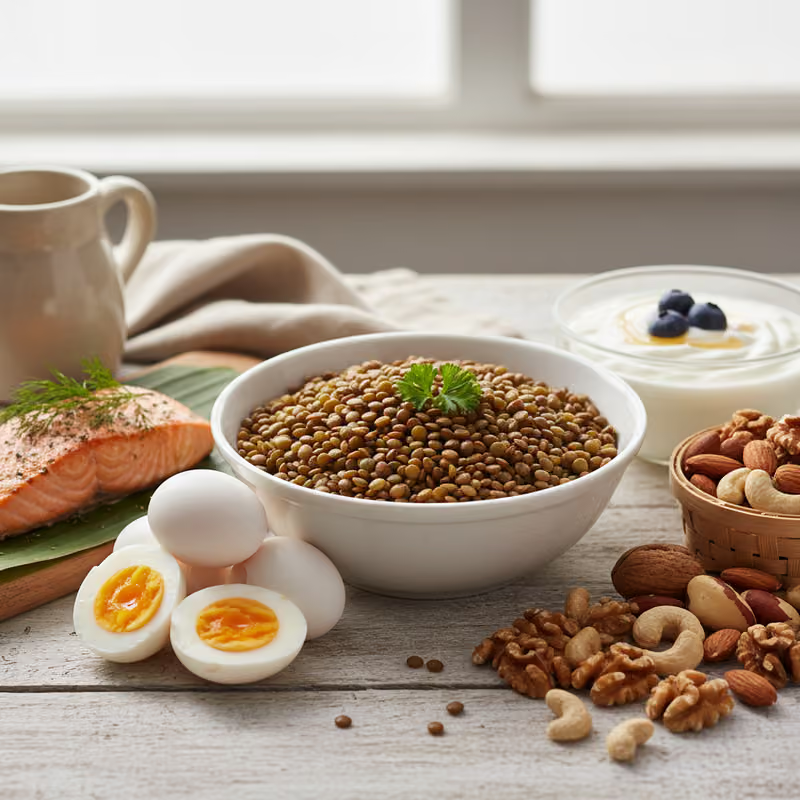
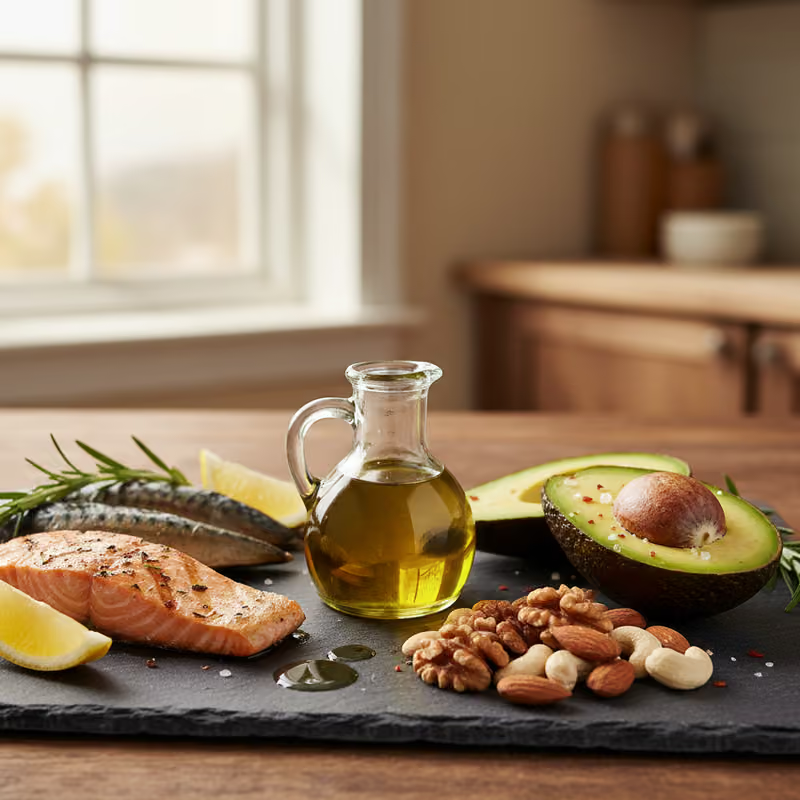
1. Focus on Nutrient Density: When selecting ingredients for batch cooking, prioritize nutrient-dense foods. This means choosing whole foods that offer a high amount of vitamins, minerals, fiber, and beneficial compounds relative to their calorie content. Examples include a variety of vegetables (leafy greens, cruciferous vegetables, root vegetables), fruits, lean proteins (poultry, fish, legumes, tofu, eggs), whole grains (quinoa, brown rice, oats, whole wheat pasta), and healthy fats (avocado, nuts, seeds, olive oil).
- WHO (World Health Organization): Promotes consumption of a variety of fruits, vegetables, whole grains, and lean proteins as part of a healthy diet.
- CDC (Centers for Disease Control and Prevention): Emphasizes making half your plate fruits and vegetables and choosing whole grains over refined grains.
2. Strategic Ingredient Selection for Longevity: Some ingredients hold up better than others during storage. Choose robust vegetables like carrots, bell peppers, broccoli, cauliflower, and sweet potatoes that maintain their texture and nutritional value after cooking and reheating. Leafy greens like spinach or kale can be cooked into dishes or added fresh just before serving. Heartier grains like brown rice and quinoa are excellent staples.
- USDA (U.S. Department of Agriculture) food safety guidelines: Provide guidance on proper storage to maintain quality and safety of various foods.
3. Proper Cooking Methods: Opt for cooking methods that retain nutrients and result in food that reheats well. Roasting, baking, steaming, and stir-frying are generally good choices. Overcooking can degrade heat-sensitive vitamins (e.g., Vitamin C, some B vitamins), so cook vegetables to a tender-crisp stage where possible. For proteins, cooking to the appropriate internal temperature is crucial for food safety.
- Mayo Clinic: Advises on cooking methods that preserve nutrients, such as steaming and stir-frying over boiling.
4. Food Safety and Storage: This is paramount to prevent foodborne illness and maintain food quality. * Rapid Cooling: Cooked food should be cooled rapidly to below 40°F (4°C) within two hours to minimize bacterial growth. Divide large batches into smaller, shallow containers to facilitate faster cooling. * Airtight Containers: Store prepped meals in clean, airtight containers. Glass containers are often preferred as they are non-reactive, durable, and suitable for reheating. * Refrigeration and Freezing: Most batch-cooked meals are safe in the refrigerator for 3-4 days. For longer storage, freezing is an excellent option. Label containers with the date to keep track. * Reheating: Reheat meals thoroughly to an internal temperature of 165°F (74°C) to ensure safety. Avoid reheating food multiple times.
- WHO (World Health Organization): Provides "Five Keys to Safer Food" which include keeping food at safe temperatures and cooking food thoroughly.
- CDC (Centers for Disease Control and Prevention): Offers extensive resources on safe food handling, cooking, and storage temperatures.
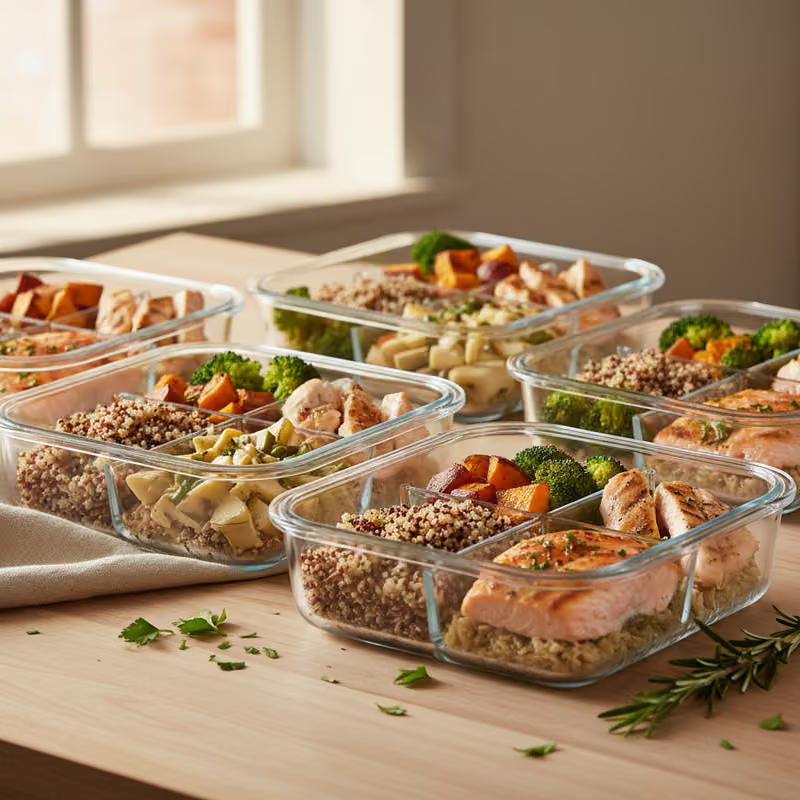
5. Separate Components: To prevent sogginess and maintain distinct textures, consider batch cooking components separately. For example, cook grains, proteins, and vegetables in larger quantities, then assemble meals daily. Dressings and sauces should always be stored separately and added just before eating. This approach offers flexibility and keeps meals fresher.
6. Variety and Flavor: To prevent meal fatigue, incorporate variety. This doesn't mean cooking entirely different meals each week, but rather varying seasonings, sauces, or combinations of ingredients. For example, batch cook plain chicken breast, and then use it in different meals with a Mediterranean spice blend, an Asian-inspired sauce, or a Mexican seasoning throughout the week. Adding fresh herbs or a squeeze of citrus juice just before serving can significantly enhance flavor.
7. Balanced Macronutrients: Aim for a balance of protein, complex carbohydrates, and healthy fats in each prepped meal. This balance contributes to satiety, sustained energy levels, and supports various bodily functions.
- NIH (National Institutes of Health): Provides dietary guidelines that emphasize balanced macronutrient intake for overall health.
By adhering to these principles, meal preppers can ensure their efforts result in wholesome, safe, and enjoyable meals that support a healthy lifestyle.
Practical daily habits
Integrating meal prep into a busy lifestyle requires establishing practical habits that streamline the process and make it sustainable. These daily, or near-daily, practices complement the larger batch cooking sessions.
1. Consistent Planning: Dedicate a specific time each week, perhaps a weekend afternoon, to plan your meals for the upcoming days. This involves deciding what dishes to prepare, checking existing ingredients, and creating a detailed grocery list. A well-thought-out plan reduces decision fatigue during the week and prevents impulsive, less healthy food choices. Consider themes for days (e.g., "Meatless Monday," "Taco Tuesday") or rotating core ingredients to simplify planning.
2. Smart Grocery Shopping: Once your meal plan is solid, make a precise grocery list. Stick to this list when shopping to avoid unnecessary purchases and ensure you have all the components for your prepped meals. Shopping once a week, or perhaps twice if you want very fresh produce, can save significant time compared to daily trips. Focus on buying in-season produce, which tends to be more flavorful and potentially more economical.
3. Efficient Prep Time (Mise en Place): When it's time to cook, adopt the "mise en place" philosophy (everything in its place). This means washing, chopping, and measuring all ingredients before you start cooking. Having everything ready streamlines the cooking process, reduces stress, and minimizes the likelihood of mid-cooking errors or delays. This can also be done in small batches a day or two ahead for certain ingredients.
4. Leverage Kitchen Tools: Invest in and utilize kitchen tools that make batch cooking easier and more efficient. A good set of knives, cutting boards, food processor, slow cooker, instant pot, or sheet pans can significantly cut down on preparation and cooking time. For example, a slow cooker can prepare a large batch of stew or shredded chicken with minimal active supervision, while sheet pans are excellent for roasting multiple vegetables and proteins simultaneously.
5. Cook Once, Eat Multiple Times: This is the essence of batch cooking. When you're making dinner, consider doubling or tripling the recipe for components that freeze or refrigerate well. For example, if you're making quinoa for dinner, cook extra to use in salads or bowls later in the week. Roast a large tray of vegetables that can be added to different meals. Prepare a big batch of soup or chili that can be portioned out.
6. Portioning and Storing Immediately: Once your batch-cooked meals or components have cooled sufficiently (within two hours), portion them immediately into individual or family-sized containers. This prevents the temptation to overeat and ensures you have grab-and-go options readily available. Label containers with the date and meal type. Store items properly in the refrigerator or freezer based on their intended use-by date.
7. Vary Assembly: Even if you batch-cooked similar ingredients, vary how you assemble them. For example, shredded chicken can be turned into tacos, a salad, a sandwich, or mixed with a different sauce each day. Roasted vegetables can accompany different proteins or be incorporated into a grain bowl. This helps prevent meal fatigue and keeps meals interesting without requiring extensive daily cooking.
8. Don't Over-Commit: Start small if you're new to meal prepping. Batch cook one or two components (e.g., grains and a protein) for a few days, rather than trying to prep every meal for the entire week. Gradually increase the complexity and quantity as you become more comfortable and efficient. Over-committing can lead to burnout and make the habit unsustainable.
By consistently integrating these practical habits, individuals can transform meal prep from a daunting task into an manageable and rewarding part of their weekly routine, supporting their nutritional goals and overall lifestyle.
Common mistakes to avoid
While meal prepping offers numerous benefits, certain pitfalls can undermine its effectiveness, lead to food waste, or even compromise food safety and nutritional quality. Awareness of these common mistakes can help ensure a more successful and sustainable meal prep routine.
1. Neglecting Food Safety: This is perhaps the most critical error. Not cooling food quickly enough, not storing it at proper temperatures, or not reheating it thoroughly can lead to bacterial growth and foodborne illness. Cooked food should not be left at room temperature for more than two hours. Large quantities should be divided into smaller, shallow containers to cool rapidly in the refrigerator. Always reheat food to an internal temperature of 165°F (74°C).
- WHO (World Health Organization): Emphasizes the importance of food safety to prevent foodborne diseases.
- CDC (Centers for Disease Control and Prevention): Provides comprehensive guidelines on safe food handling, storage, and cooking temperatures.
2. Lack of Variety, Leading to Meal Fatigue: Preparing the exact same meal for five days in a row can quickly lead to boredom and a lack of motivation to eat the prepped meals. This often results in reaching for less healthy alternatives or wasting prepped food. To combat this, vary your seasonings, sauces, or combine different prepped components to create distinct meals. Even small changes can make a big difference.
3. Underestimating Storage Needs and Container Quality: Not having enough appropriate containers, or using containers that aren't airtight or durable, can compromise food freshness and increase the risk of spoilage. Invest in high-quality, airtight containers (preferably glass for versatility and safety) that are freezer, microwave, and dishwasher safe. Ensure you have enough to accommodate your weekly prep.
4. Overcooking Vegetables and Grains: When cooking in advance, it's easy to overcook items, especially vegetables, making them mushy and less appealing when reheated. Cook vegetables to a slightly al dente or tender-crisp stage. Grains should be cooked so they are fluffy, not sticky or hard. This helps maintain texture and often better preserves heat-sensitive nutrients.
5. Not Accounting for Ingredient Longevity: Some ingredients simply don't hold up well when prepped too far in advance. Delicate greens, sliced avocados, and certain fresh herbs can wilt, brown, or become unappetizing quickly. Plan to add these components fresh on the day of consumption, or choose more robust alternatives for batch cooking.
6. Too Much Too Soon (Overwhelm): Trying to prep every single meal and snack for an entire week from the outset can be daunting and lead to burnout. Start small by prepping just lunches or a few dinners. As you build confidence and efficiency, gradually increase the scope of your meal prep. Sustainable habits are built incrementally.
7. Forgetting to Plan for Snacks: While main meals are often the focus, forgetting about snacks can lead to unplanned, often less healthy, eating between meals. Incorporate healthy snack prep (e.g., portioning nuts, fruits, vegetable sticks with hummus) into your routine to ensure you have wholesome options readily available throughout the day.
8. Inconsistent Reheating Practices: Reheating food improperly can result in unevenly heated meals (cold spots where bacteria can thrive) or dried-out food. Use a microwave, oven, or stovetop to reheat thoroughly and evenly. Adding a splash of water or broth to dishes being reheated can help maintain moisture. Avoid reheating the same meal multiple times.
9. Ignoring Personal Preferences or Dietary Needs: Meal prep should work for you. If you dislike certain foods or have specific dietary restrictions (e.g., allergies, intolerances, religious dietary laws), ensure your meal plan reflects these. Trying to force yourself to eat prepped meals you don't enjoy will make the habit unsustainable.
By being mindful of these common mistakes, individuals can refine their meal prepping approach, making it a more effective, enjoyable, and health-promoting practice.
When to see a professional
While meal prepping is a general healthy lifestyle practice, there are specific circumstances when consulting a healthcare professional or registered dietitian is advisable to ensure your meal prep aligns with your individual health needs.
1. Managing Specific Health Conditions: If you have a chronic health condition such as diabetes, heart disease, kidney disease, or digestive disorders (e.g., IBS, Crohn's disease), your dietary needs may be complex. A registered dietitian can provide personalized guidance on appropriate food choices, portion sizes, and nutrient balances that support your condition while still enabling meal prep.
- Academy of Nutrition and Dietetics (AND): Emphasizes the role of Registered Dietitian Nutritionists (RDNs) in providing medical nutrition therapy for various health conditions.
- NIH (National Institutes of Health): Often recommends dietary modifications for managing specific diseases, which may require professional guidance.
2. Suspected Food Allergies or Intolerances: If you suspect you have food allergies or intolerances, and you're struggling to identify trigger foods or create a balanced, allergen-free meal plan, a doctor or dietitian can help. They can guide you through elimination diets, diagnostic testing, and ensure your meal prep avoids allergens while providing all necessary nutrients.
- NIAID (National Institute of Allergy and Infectious Diseases): Provides information on food allergies and the importance of diagnosis and management.
3. Significant Dietary Restrictions (e.g., Vegan, Vegetarian, Halal, Kosher): While meal prepping can accommodate various dietary patterns, ensuring adequate intake of all essential nutrients (e.g., Vitamin B12, iron, calcium, Vitamin D, specific amino acids for plant-based diets) can be challenging without proper knowledge. A dietitian can help create balanced meal plans for these specific requirements, ensuring no nutritional gaps occur.
- WHO (World Health Organization): Provides guidance on healthy eating patterns, including vegetarian and vegan diets, noting the importance of nutrient planning.
4. Performance or Athletic Goals: Athletes or individuals with intense physical activity levels have unique caloric and macronutrient requirements. A sports dietitian can help tailor meal prep strategies to support training, recovery, and performance goals, optimizing energy levels and muscle maintenance.
5. Unexplained Weight Changes or Nutritional Concerns: If you're experiencing unintended weight loss or gain, persistent fatigue, digestive issues, or other symptoms you suspect are related to your diet, a doctor can rule out underlying medical conditions. A dietitian can then help identify nutritional deficiencies or imbalances and develop an appropriate meal plan to address them through meal prep.
6. Eating Disorders or Disordered Eating Patterns: If you or someone you know is struggling with an eating disorder or disordered eating habits, seeking professional help from a team that includes a doctor, therapist, and registered dietitian is crucial. Meal prep might be integrated into a recovery plan under professional supervision.
7. Pregnancy or Breastfeeding: Nutritional needs are significantly altered during pregnancy and lactation. A healthcare provider or dietitian specializing in maternal nutrition can provide guidance on safe food handling, essential nutrients, and meal planning to support both maternal and fetal/infant health.
8. Seeking Personalized Guidance: Even without a specific health concern, if you feel overwhelmed by meal planning, want to optimize your nutrition, or need practical strategies tailored to your lifestyle, a registered dietitian can offer valuable, evidence-based advice and support for your meal prep journey.
In summary, while meal prep is a generally safe and beneficial practice, a professional can offer invaluable personalized guidance, ensuring your efforts are not only convenient but also perfectly aligned with your unique health profile and goals.
Frequently asked questions
Q1: How long do meal-prepped meals typically last in the refrigerator?
Generally, most cooked meal-prepped dishes can be safely stored in the refrigerator for 3 to 4 days. This timeframe applies to components like cooked grains, roasted vegetables, and cooked proteins such as chicken, beef, or fish. It's crucial to store them in airtight containers and ensure they are cooled rapidly after cooking. For longer storage, freezing is recommended.
Q2: What are the best foods to batch cook for beginners?
For those new to batch cooking, starting with versatile and robust ingredients is ideal. Good options include grains like brown rice or quinoa, lean proteins such as baked chicken breast, roasted turkey, or cooked lentils, and sturdy vegetables like broccoli, cauliflower, sweet potatoes, and bell peppers. These ingredients hold up well to cooking and reheating and can be combined in various ways throughout the week.
Q3: How can I prevent my meal-prepped food from getting soggy or losing flavor?
To maintain texture and flavor, store sauces and dressings separately and add them just before eating. Cook vegetables to a slightly firm, al dente stage rather than mushy. For dishes that tend to become dry upon reheating, adding a small amount of broth or water before warming can help. Using airtight containers and properly cooling food before refrigeration are also key to preventing spoilage and maintaining quality.
Q4: Is it safe to freeze meal-prepped meals, and for how long?
Yes, many meal-prepped meals can be safely frozen. Freezing is an excellent way to extend the shelf life of food, typically for 2 to 3 months, sometimes longer, though quality may decline after prolonged freezing. Ensure foods are frozen in airtight, freezer-safe containers or bags to prevent freezer burn. Label with the date of freezing for easy tracking. Thaw frozen meals in the refrigerator overnight or use a microwave's defrost setting before reheating thoroughly.
Q5: How can I ensure my meal prep is nutritionally balanced?
To achieve nutritional balance, aim to include a source of lean protein (chicken, fish, legumes, tofu), a complex carbohydrate (whole grains, sweet potato), and plenty of vegetables in each meal. Healthy fats (avocado, nuts, seeds, olive oil) can also be incorporated. Varying your ingredients each week helps ensure you get a wide range of vitamins and minerals. Planning meals that adhere to general healthy eating guidelines, such as those from the WHO or CDC, can help ensure balance.
Key takeaways
- Prioritize Nutrition and Safety: Focus on nutrient-dense whole foods and strictly adhere to food safety guidelines for cooling, storage, and reheating to maintain food quality and prevent illness.
- Strategic Ingredient Choices: Select ingredients that hold up well to cooking and storage, like robust vegetables, whole grains, and lean proteins, while adding delicate items fresh.
- Efficient Planning and Preparation: Dedicate time for meal planning, grocery shopping, and efficient cooking (mise en place) to streamline the process and make it sustainable.
- Variety is Key: Combat meal fatigue by varying seasonings, sauces, and combinations of batch-cooked components to keep meals interesting and appealing.
- Proper Storage: Utilize high-quality, airtight containers for refrigeration (3-4 days) or freezing (2-3 months) to preserve freshness and prevent spoilage.
- Start Small and Build: Don't get overwhelmed; begin with prepping a few meals or components and gradually expand as you become more comfortable and efficient.
- Professional Guidance When Needed: Consult a healthcare professional or registered dietitian for personalized advice, especially when managing health conditions, specific dietary needs, or seeking to optimize nutrition.
Related reading
Keep exploring this topic with our related, evidence-reviewed guides:
- Meal Planning for Busy Weeks: Evidence-Based Guide — A simple weekly plan, batch cooking, and flexible components make healthy eating sustainable.
- Healthy Eating While Traveling — Discover practical strategies for maintaining a healthy diet while exploring new places. This guide helps you navigate food choice…
- Setting Boundaries Without Guilt — Clear boundaries protect energy and relationships. Guilt often fades once new limits become habit.
- Reading Nutrition Labels: A Simple Framework for Smarter Shopping — A practical, evidence-informed guide to how to read nutrition labels — what matters, what works, common mistakes, and when to cons…
- Balanced Plates for Every Meal — Half vegetables, a quarter protein, a quarter whole grains — a simple template that fits most cuisines.
- Mindful Eating Practices: Evidence-Based Guide — Discover how mindful eating can transform your relationship with food, promoting better digestion, weight management, and overall …
Sources
- World Health Organization (WHO)
- Centers for Disease Control and Prevention (CDC)
- National Institutes of Health (NIH)
- Mayo Clinic
- U.S. Department of Agriculture (USDA)
- Academy of Nutrition and Dietetics (AND)
- National Institute of Allergy and Infectious Diseases (NIAID)
Sources
Evidence & citations
- Every claim in this nutrition & diet guide is backed by primary data — browse the nutrition and diet health statistics in our sourced statistics library.
- Writing about this topic? Researchers, journalists and educators can cite our nutrition research with ready-made APA, MLA and Chicago references.
My notes on this one
The short version of 16 minutes of reading — what stuck with me while writing “Meal Prep for Busy Weeks: Batch Cooking Without Losing”, what the sources back up, and what I'd actually do about it.
What I'd take away
01 · Why this matters
A balanced diet provides the essential vitamins, minerals, fiber, and macronutrients (proteins, carbohydrates, fats) that fuel our bodies, support immune function, maintain cognitive health…
02 · Key principles
Refrigeration and Freezing: Most batch-cooked meals are safe in the refrigerator for 3-4 days. For longer storage, freezing is an excellent option. Label containers with the date to keep track.
03 · Practical daily habits
This means washing, chopping, and measuring all ingredients before you start cooking.
04 · Common mistakes to avoid
CDC (Centers for Disease Control and Prevention): Provides comprehensive guidelines on safe food handling, storage, and cooking temperatures.
What the sources I read actually say
(Not medical or veterinary advice — consult a qualified clinician or veterinarian for personal guidance.) In today's fast-paced world…
World Health OrganizationThis intentional approach allows for greater control over ingredients, portion sizes, and cooking methods, which can be particularly beneficial for those managing specific dietary needs or health cond…
Centers for Disease Control and PreventionNIH (National Institutes of Health): Provides dietary guidelines that emphasize balanced macronutrient intake for overall health.
National Institutes of Health
If you only do one thing this week
- Batch cook one or two components (e.g., grains and a protein) for a few days, rather than trying to prep every meal for the entire week.
- Refrigeration and Freezing — Most batch-cooked meals are safe in the refrigerator for 3-4 days. For longer storage, freezing is an excellent option…
- Choose robust vegetables like carrots, bell peppers, broccoli, cauliflower, and sweet potatoes that maintain their texture and nutritional value after cooking and reheating.
- Start small by prepping just lunches or a few dinners.
- Avoid reheating the same meal multiple times.
Pick the one that fits your week. None of this replaces advice from a clinician who can actually examine you.
Questions I kept coming back to
How long do meal-prepped meals typically last in the refrigerator?+
Generally, most cooked meal-prepped dishes can be safely stored in the refrigerator for 3 to 4 days. This timeframe applies to components like cooked grains, roasted vegetables, and cooked proteins such as chicken, beef, or fish. It's crucial to store them in airtight containers and ensure they are cooled rapidly after cooking. For longer storage, freezing is recommended.
What are the best foods to batch cook for beginners?+
For those new to batch cooking, starting with versatile and robust ingredients is ideal. Good options include grains like brown rice or quinoa, lean proteins such as baked chicken breast, roasted turkey, or cooked lentils, and sturdy vegetables like broccoli, cauliflower, sweet potatoes, and bell peppers. These ingredients hold up well to cooking and reheating and can be combined in various ways throughout the week.
How can I prevent my meal-prepped food from getting soggy or losing flavor?+
To maintain texture and flavor, store sauces and dressings separately and add them just before eating. Cook vegetables to a slightly firm, al dente stage rather than mushy. For dishes that tend to become dry upon reheating, adding a small amount of broth or water before warming can help…
Is it safe to freeze meal-prepped meals, and for how long?+
Yes, many meal-prepped meals can be safely frozen. Freezing is an excellent way to extend the shelf life of food, typically for 2 to 3 months, sometimes longer, though quality may decline after prolonged freezing. Ensure foods are frozen in airtight, freezer-safe containers or bags to prevent freezer burn. Label with the date of freezing for easy tracking…
How can I ensure my meal prep is nutritionally balanced?+
To achieve nutritional balance, aim to include a source of lean protein (chicken, fish, legumes, tofu), a complex carbohydrate (whole grains, sweet potato), and plenty of vegetables in each meal. Healthy fats (avocado, nuts, seeds, olive oil) can also be incorporated. Varying your ingredients each week helps ensure you get a wide range of vitamins and minerals…
Was this article helpful?
Be the first to rate this article.
Written by
FaizRuh
I write Health Hub Pro on my own — no clinical licence, no anonymous review panel. Just the published guidance, read carefully and explained plainly.
More about me →How this page was checked
Every claim above is checked against the sources listed at the bottom of this article — WHO, CDC, NIH, NHS, Cochrane and major clinical guidelines. Drafting is AI-assisted; the editing, fact-checking and final wording are mine. It's information, not medical advice. Spotted an error? Tell me and I'll fix it.
Last checked on