The Prophetic Medicine (Tibb an-Nabawi): A Timeless Guide to Holistic Health
Discover how Prophetic Medicine offers a timeless, holistic approach to health, integrating body, mind, and soul with modern science.
For informational purposes only. This article is educational and is not a substitute for professional medical advice, diagnosis, or treatment. Always consult a qualified healthcare provider about anything affecting your health. Read full disclaimer.
The Prophetic Medicine (Tibb an-Nabawi): A Timeless Guide to Holistic Health
In the tapestry of Islamic civilization, few aspects shine as brightly as the comprehensive wisdom found within the Prophetic Medicine, or Tibb an-Nabawi. More than just a collection of remedies, it's a profound blueprint for holistic well-being, deeply rooted in the Quran and the Sunnah of Prophet Muhammad (peace be upon him). It reveals a timeless understanding of health that encompasses the physical, mental, and spiritual dimensions, resonating profoundly with contemporary scientific insights.
The Holistic Framework: Body, Mind, and Soul
Islam presents health not merely as the absence of illness but as a state of complete harmony. The Quran reminds us of our intricate creation:
"And He created everything and determined it with [precise] determination." (Quran 25:2 – Surah Al-Furqan)
This verse underscores the Divine wisdom in our being, urging us to maintain and nourish it. Tibb an-Nabawi champions this holistic approach, recognizing that the health of the body is intertwined with the serenity of the mind and the purity of the soul. Disregard for one aspect inevitably affects the others.
Nutritional Wisdom and the Sunnah Diet
The Prophet Muhammad (ﷺ) emphasized mindful eating, moderation, and the consumption of specific foods known for their nutritional benefits. Foods like dates, honey, olive oil, barley, and black seed were frequently mentioned or consumed by him. Modern nutritional science has since elucidated the incredible benefits of these items:
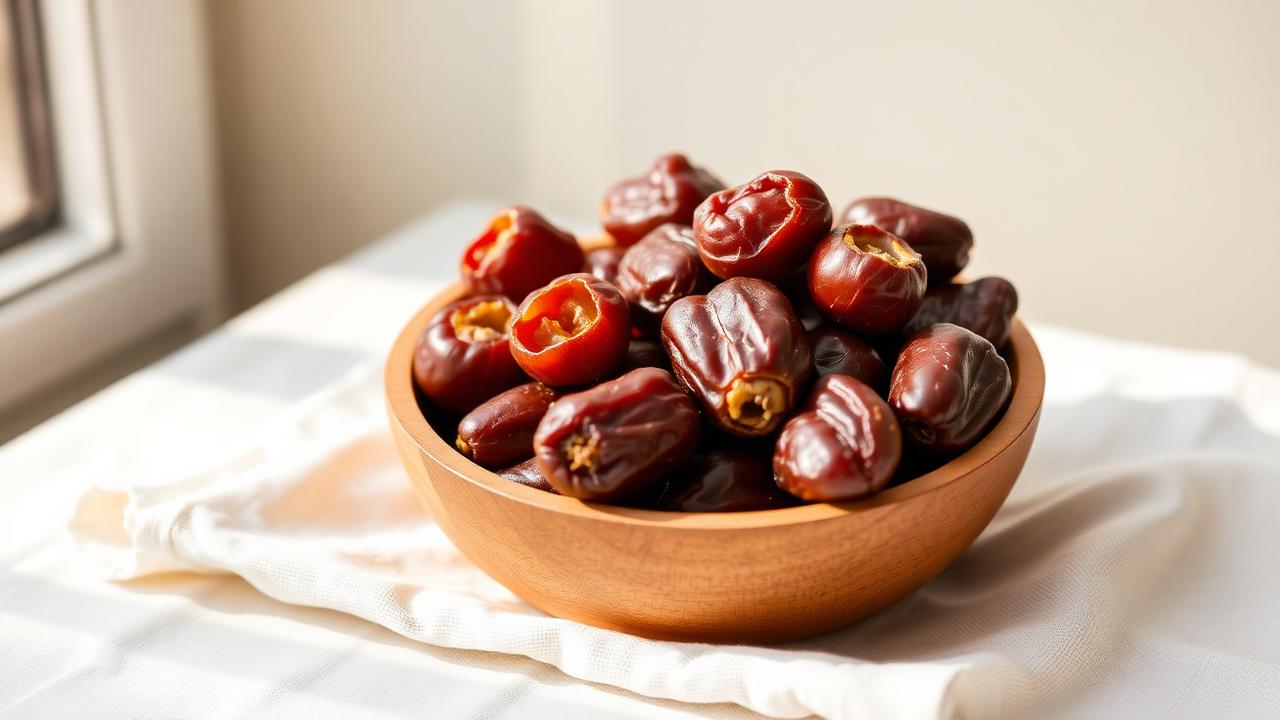
- Dates: Rich in essential minerals, fiber, and natural sugars, dates offer quick energy and aid digestion. Studies confirm their high antioxidant content. (Source: Al-Quran, Sunnah)
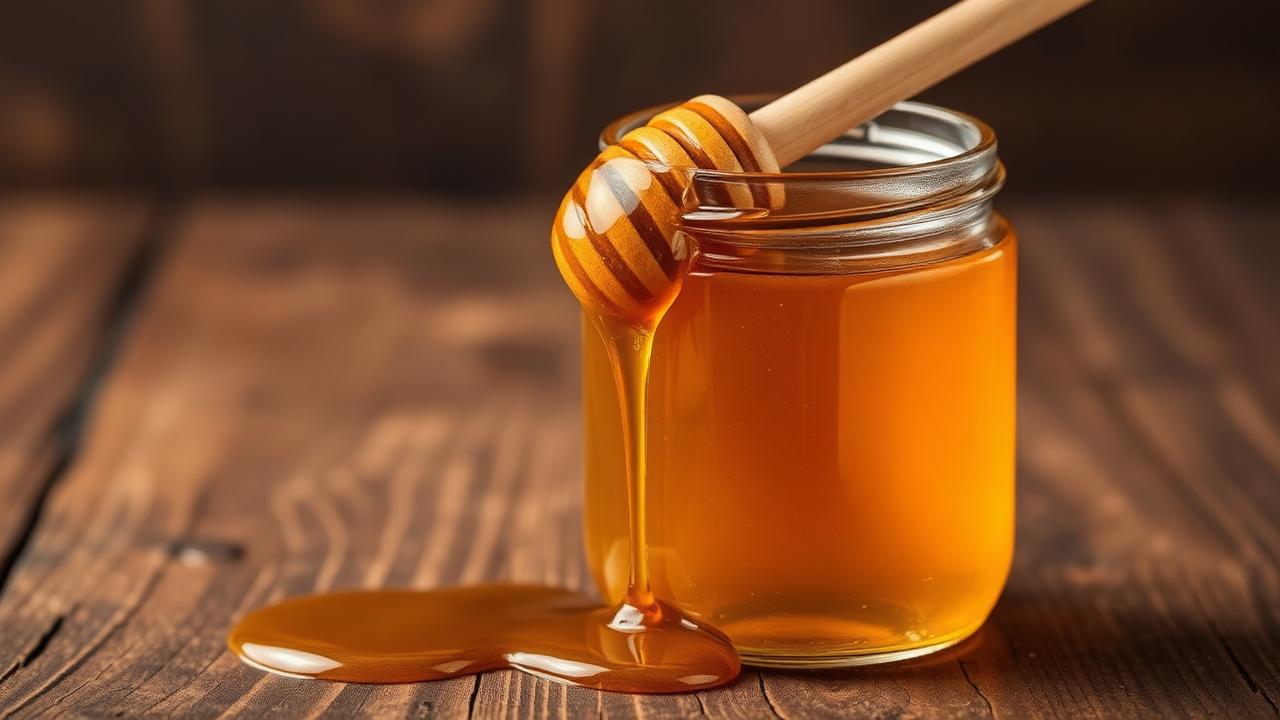
- Honey: Touted in the Quran as a healing for mankind (Quran 16:69), honey possesses potent antiseptic, antibacterial, and anti-inflammatory properties, confirmed by numerous scientific studies on wound healing and immune support. (Source: Al-Quran, Sunnah, NCBI)
- Olive Oil: A cornerstone of the Mediterranean diet, extra virgin olive oil is lauded for its monounsaturated fats and polyphenols, linked to cardiovascular health and anti-inflammatory effects. (Source: Sunnah, American Heart Association)
- Black Seed (Nigella Sativa): The Prophet (ﷺ) famously said, "Indeed, in the black seed there is a cure for every disease except death." (Sahih Bukhari). This powerful herb has been extensively studied, with research revealing its immunomodulatory, anti-inflammatory, antioxidant, and anti-cancer properties. (Source: Sunnah, Journal of Ethnopharmacology)
The principle of moderation was paramount. The Prophet (ﷺ) advised against overeating: "The human being fills no worse vessel than his stomach. A few morsels are sufficient to keep his back straight. But if he must eat more, then a third for food, a third for drink, and a third for air." (Tirmidhi). This sagacious advice aligns perfectly with modern recommendations for portion control and digestive health.
The Power of Hygiene and Prevention
Cleanliness is a central tenet of Islam, with the Prophet (ﷺ) stating, "Purity is half of faith." (Sahih Muslim). Ritual ablution (wudu) before prayers, bathing (ghusl), oral hygiene (miswak), and general cleanliness were all integral practices. These practices are not just spiritual acts but profound preventative health measures, significantly reducing the spread of disease, a concept fully validated by germ theory and modern public health.
Mental and Spiritual Well-being
Tibb an-Nabawi doesn't overlook the mind and soul. Prayer (Salah), remembrance of Allah (Dhikr), seeking knowledge, patience, gratitude, and charity are all prescribed for spiritual nourishment and mental fortitude. These practices foster a sense of purpose, reduce stress, build resilience, and cultivate inner peace, aspects now recognized by psychology as crucial for mental health.
- Prayer (Salah): Acts as a spiritual connection and a meditative practice, reducing anxiety and promoting calm. Its physical postures also offer gentle exercise.
- Dhikr (Remembrance of Allah): Consistent remembrance of God fosters contentment and helps manage stress, akin to mindfulness practices.
Natural Healing Modalities
Beyond dietary and lifestyle advice, Tibb an-Nabawi includes specific natural healing modalities:
- Cupping (Hijamah): The Prophet (ﷺ) encouraged cupping, a practice involving placing cups on the skin to create suction. Modern research suggests hijamah may improve blood flow, reduce inflammation, alleviate pain, and stimulate immune function, finding applications in pain management and various circulatory issues. (Source: Sunnah, Journal of Traditional and Complementary Medicine)
- Herbal Remedies: While black seed and honey are prominent, various other herbs and natural substances were recommended for specific ailments, reflecting a deep engagement with the natural world for healing.
Conclusion: A Living Legacy
Tibb an-Nabawi is far more than ancient medical advice; it is a living legacy that offers profound insights into holistic health. Its teachings, guided by divine revelation and prophetic wisdom, provide a timeless framework for nurturing the body, mind, and soul. The remarkable convergence of its principles with modern scientific discoveries testifies to its enduring truth and practical value. As we navigate the complexities of modern life, revisiting these Prophetic traditions offers a pathway to a healthier, more balanced, and spiritually fulfilling existence.
Key Takeaways
- Holistic Approach: Health encompasses physical, mental, and spiritual well-being.
- Nutritional Wisdom: Emphasis on natural, beneficial foods and moderation.
- Preventative Care: Cleanliness, hygiene, and regular practices to avert illness.
- Mental & Spiritual Fortitude: Prayer, remembrance, and gratitude for inner peace.
- Natural Remedies: Utilization of traditional practices like cupping and herbal medicine.
Disclaimer: This article is for informational purposes only and does not constitute medical advice. Always consult with a qualified healthcare professional for any health concerns or before making any decisions related to your health or treatment.
Sources
Related reading
- Sleep and Rest in Islam: The Prophetic Sleep Schedule for Optimal Health — Discover the profound wisdom of Prophetic sleep for optimal health, blending timeless Islamic teachings with modern scie…
- Fasting in Ramadan: Spiritual Discipline and Scientifically Proven Health Benefits — Discover how Ramadan's spiritual discipline offers profound, scientifically-backed health benefits for body, mind, and s…
- Honey in the Quran: Nature's Cure Mentioned by Allah — Discover how the Quran glorifies honey as a divine cure, a testament to Islam's holistic approach to health, supported b…
- Understanding Holistic Wellness — Discover the holistic approach to wellness that integrates mind, body, and spirit for a balanced and fulfilling life. Th…
- Dates (Tamr): The Superfood of the Prophet ﷺ — Discover how dates, reverently known as Tamr, embody a holistic blueprint for health, marrying Islamic wisdom with moder…
Written by
Health Hub Pro Editorial
Health writer at Health Hub Pro, focused on evidence-based, Sharia-conscious wellness.
View author profile →Medically reviewed by
Health Hub Pro Editorial Board
Researched & Reviewed
Last reviewed on