Toxic Foods and Plants for Pets: A Room-by-Room Safety Audit
A practical, evidence-informed guide to toxic foods for dogs — what matters, what works, common mistakes, and when to consult a professional.
For informational purposes only. This article is educational and is not a substitute for professional medical advice, diagnosis, or treatment. Always consult a qualified healthcare provider about anything affecting your health. Read full disclaimer.
Toxic Foods and Plants for Pets: A Room-by-Room Safety Audit
(Not medical or veterinary advice — consult a qualified clinician or veterinarian for personal guidance.)
Introduction
Our homes are sanctuaries for us and our beloved pets. However, within these familiar spaces, numerous everyday items – from common houseplants to certain human foods – can pose significant health risks to our animal companions. Pets, driven by curiosity and instinct, often explore their environment using their mouths, making them susceptible to ingesting substances that are toxic to them. Understanding these hidden dangers is crucial for ensuring their safety and well-being. This article aims to provide a comprehensive, room-by-room guide to identifying and mitigating potential hazards, empowering pet owners to create a safer living environment for their furry, feathered, or scaled family members. By systematically auditing each area of the home, we can proactively prevent accidental poisonings and promote a healthier life for our pets.
Why this matters
The well-being of our pets is deeply intertwined with the safety of their environment. Accidental poisonings due to ingested foods, plants, or household products are a significant concern for pet owners globally. Each year, veterinary emergency rooms treat countless cases of toxicity, many of which could have been prevented with proper awareness and proactive measures. The consequences of such exposures can range from mild gastrointestinal upset to severe organ damage, neurological issues, or even fatality, depending on the substance, the amount ingested, and the individual pet's sensitivity and size.
Beyond the immediate health crisis for the pet, these incidents often result in substantial emotional distress and financial burden for pet owners, involving emergency veterinary visits, diagnostic tests, and potentially prolonged treatment or hospitalization. By taking the time to understand and identify potential toxins within the home, pet owners can significantly reduce these risks. This proactive approach not only safeguards the pet's health but also provides peace of mind, knowing that a responsible and safe environment has been cultivated for them. Education regarding toxic substances empowers pet owners to make informed choices, store hazardous items securely, and respond appropriately if an exposure occurs. This diligence is a fundamental aspect of responsible pet guardianship.
Key principles (evidence-informed)
Protecting pets from toxic exposures relies on a foundation of proactive management and informed decision-making. Several key principles, supported by veterinary and public health guidelines, underpin an effective home safety strategy.
- Awareness and Identification: The first step is to know what is potentially toxic. Many common household items, foods, and plants that are harmless to humans can be highly dangerous to pets. Understanding these specific risks is paramount. Resources from organizations like the ASPCA Animal Poison Control Center or veterinary associations often provide extensive lists of known toxins.
- Secure Storage: Prevention is the most effective approach. All potentially toxic substances – including medications (human and veterinary), cleaning products, automotive fluids, pesticides, and certain foods – must be stored securely out of paw's reach. This often means locked cabinets, high shelves, or containers that pets cannot open. Child-proof latches can be effective for inquisitive pets.
- Environmental Control: Beyond storage, controlling the pet's access to potentially hazardous areas is crucial. This might involve restricting access to certain rooms (e.g., laundry room, garage) or supervising pets closely when they are in areas where toxins might be present. For outdoor spaces, ensuring toxic plants are removed or fenced off is vital.
- Educate All Household Members: Everyone in the household, including children and guests, should be aware of what is toxic to pets and the importance of secure storage and waste disposal. Casual offerings of human food can be particularly dangerous if the person is unaware of the risks.
- Pet-Proofing: Beyond specific toxins, consider the pet's natural behaviors. Dogs might chew on electrical cords or ingest small objects. Cats might climb into precarious places. Pet-proofing involves anticipating these behaviors and mitigating risks, such as using cord protectors or ensuring stable furniture.
- Proper Waste Management: Open trash cans are an invitation for curious pets. Food scraps, wrappers, and discarded items can contain toxic ingredients or cause digestive obstructions. Secure, lidded trash cans are essential throughout the home.
- Emergency Preparedness: Despite best efforts, accidents can happen. Having an emergency plan, including contact information for your veterinarian, emergency veterinary clinics, and pet poison control hotlines, is critical. Knowing the signs of poisoning and being able to provide accurate information to veterinary professionals can improve outcomes.
- Consult Reliable Sources: When in doubt about a food, plant, or substance, consult a veterinarian or a reputable animal poison control center. Avoid relying solely on anecdotal information.
General Guidance (WHO, CDC, NIH, NHS, Cochrane, Mayo Clinic, AVMA, WSAVA, FAO, OIE/WOAH)
Reputable veterinary and public health organizations universally recommend vigilance and education regarding pet toxins. The American Veterinary Medical Association (AVMA) and the World Small Animal Veterinary Association (WSAVA) consistently publish guidelines and resources on pet safety, including comprehensive lists of toxic plants and foods. The Animal Poison Control Center (APCC), often referenced by these bodies, collects extensive data on pet poisonings and offers expert advice. Their recommendations emphasize proactive prevention, secure storage of potential toxins, and immediate veterinary consultation in suspected exposure cases. These organizations highlight that while some common human foods are safe for pets, many are not, and even small amounts can be harmful depending on the substance and the pet's size and individual physiology. Similarly, common houseplants and garden flora often contain compounds that are toxic when ingested by animals.
Practical daily habits
Integrating safety measures into daily routines can significantly reduce the risk of pet poisoning. These habits don't require monumental effort but offer substantial protection.
Kitchen
The kitchen is often the heart of the home and a high-risk area due to the presence of food.
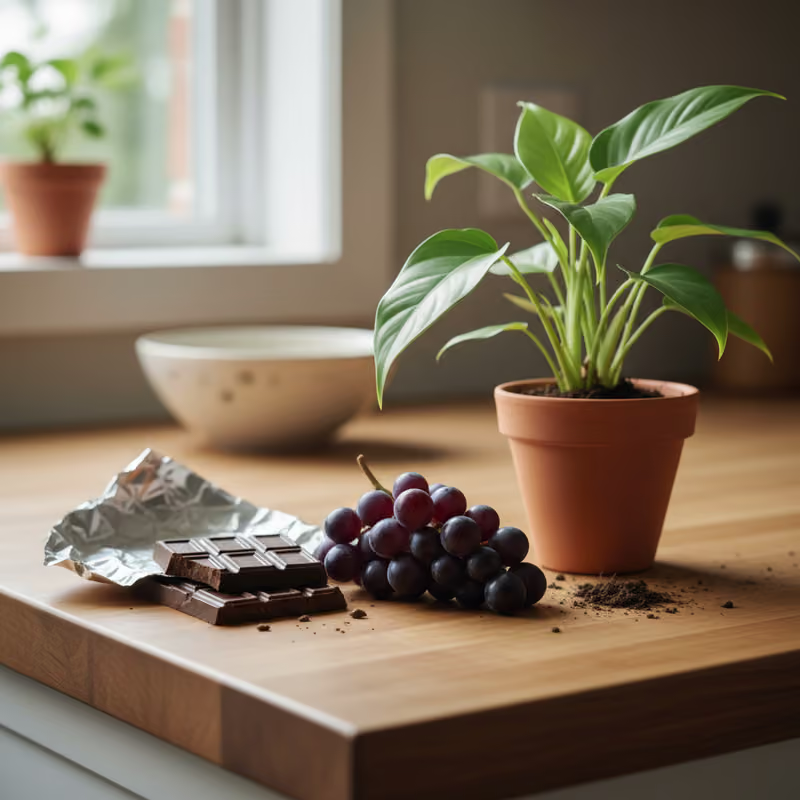
- Food Storage: Keep all human food, especially items known to be toxic (e.g., chocolate, grapes, raisins, onions, garlic, xylitol-containing products), in securely sealed containers and out of reach. This includes food left on counters, dining tables, or low shelves.
- Trash Cans: Use heavy, lidded trash cans that pets cannot open or tip over. Immediately dispose of food scraps, bones, and wrappers, even seemingly harmless ones, as they can cause choking or gastrointestinal upset.
- Cooking & Baking: Never leave cooking ingredients unattended on counters. Ensure pets are not underfoot during meal preparation to prevent them from grabbing dropped food.
- Pet Feeding Area: Store pet food and treats in airtight containers to prevent pests and maintain freshness, but also to prevent pets from overeating or accessing potentially contaminated food.
Living Room
This central gathering space can harbor several hidden dangers.
- Houseplants: Identify all houseplants. If any are toxic (e.g., lilies, sago palm, diffenbachia), place them on high shelves that pets cannot access, or consider removing them from the home. Regular pruning of hanging plants can prevent leaves from falling within reach.
- Decorations: Keep small decorative items, potpourri, and essential oil diffusers out of reach. Essential oils, even diffused, can be irritating or toxic if inhaled or absorbed through the skin.
- Medications: Never leave medications, human or pet, on coffee tables or nightstands. Store them in high, locked cabinets.
- Fireplaces: Ensure fireplaces are cleaned and cooled before pets are allowed near them. Ash and logs can contain irritating or toxic substances.
Bathroom
Bathrooms contain numerous personal care and cleaning products.
- Medications: All prescription and over-the-counter medications, including human pain relievers, cold medicines, and dietary supplements, must be stored in secure, locked cabinets.
- Cleaning Products: Keep toilet bowl cleaners, drain openers, bleach, and other harsh chemicals in high, locked cabinets. Ensure toilet lids are kept down to prevent pets from drinking from the bowl, especially if cleaners have been recently used.
- Personal Care Products: Store toiletries such as toothpaste (especially those with xylitol), mouthwash, lotions, and cosmetics out of reach.
Bedroom
While seemingly safe, bedrooms can still pose risks.
- Medications: Store all medications, both human and pet, in secure, inaccessible locations, preferably in a locked drawer or cabinet.
- Personal Items: Keep small items like jewelry, hair ties, socks, and coins off the floor, as these can be choking hazards or cause intestinal obstructions if ingested.
- Plants: As with the living room, ensure any houseplants in the bedroom are non-toxic or securely out of reach.
Laundry Room
This room often contains highly concentrated and toxic chemicals.
- Cleaning Products: Laundry detergents (especially pods), fabric softeners, bleaches, and other cleaning agents must be stored in high, locked cabinets. Laundry detergent pods are particularly hazardous due to their concentrated nature and attractive appearance.
- Lint Traps: Regularly clean lint traps in dryers to prevent fire hazards, which can also startle or injure pets.
Garage/Shed
Garages and sheds are typically home to many highly toxic substances.
- Automotive Fluids: Antifreeze (which has a sweet taste and is highly toxic), motor oil, gasoline, and windshield washer fluid must be stored in original, tightly sealed containers on high shelves or in locked cabinets. Clean up any spills immediately and thoroughly.
- Pesticides & Herbicides: Insecticides, rodenticides (rat poison), slug bait, and weed killers are extremely dangerous. Store them in locked cabinets, preferably in a separate, secure area. Never use rodenticides or other pest control products where pets can access them.
- Tools & Equipment: Keep sharp tools, power tools, and small hardware (nails, screws) stored away to prevent injuries or ingestion.
- Gardening Supplies: Fertilizers, potting soil (which may contain additives), and plant food should be stored securely.
Outdoors/Garden
The garden can be a beautiful but risky place for pets.
- Toxic Plants: Research local toxic plants and remove them from your garden or fence them off. Common toxic garden plants include azaleas, rhododendrons, sago palms, oleander, lilies, daffodils, tulips, and foxglove.
- Pesticides & Fertilizers: Do not use chemical pesticides, herbicides, or fertilizers in areas accessible to pets. If unavoidable, follow product instructions carefully regarding pet safety and restrict pet access until the area is safe.
- Compost Piles: Secure compost piles. Decomposing food and yard waste can contain mold and bacteria that are highly toxic to pets.
- Water Sources: Ensure pets have access to fresh, clean drinking water and do not drink from puddles, which may contain antifreeze or other contaminants.
By consistently applying these daily habits, pet owners can significantly enhance the safety of their home environment, protecting their cherished companions from preventable toxic exposures.
Common mistakes to avoid
Even with good intentions, pet owners can inadvertently make mistakes that put their animals at risk. Awareness of these common pitfalls can help prevent accidents.
- Underestimating the Curiosity of Pets: Many pet owners assume their pet won't get into certain items or places. However, pets, especially young ones, are naturally curious and driven by scent and instinct. A securely closed door or a seemingly high counter might not be enough for a determined pet. Always assume your pet can access something and take precautions.
- Assuming Foods Safe for Humans are Safe for Pets: This is a very frequent and dangerous misconception. Many common human foods like chocolate, grapes, raisins, onions, garlic, avocado, macadamia nuts, and anything containing xylitol (a sugar substitute) are highly toxic to pets. Even small amounts can cause serious health issues.
- Leaving Medications Unsecured: Human medications (prescription and over-the-counter) are a leading cause of pet poisonings. A bottle left on a nightstand, a pill dropped on the floor, or a medication in a child-proof but not pet-proof container can be easily accessed. Always store all medications in locked, elevated cabinets.
- Using Pet Products for the Wrong Species: Never use a dog product on a cat, or vice-versa, without explicit veterinary guidance. For example, some flea and tick medications designed for dogs contain permethrin, which is highly toxic to cats and can be fatal.
- Improper Disposal of Waste: Open trash cans or easily accessible outdoor garbage can be a magnet for pets. Ingesting food scraps (especially fatty foods or bones), moldy items from compost, or wrappers can lead to toxicity or gastrointestinal obstruction.
- Not Knowing Your Plants: Many common houseplants and garden plants are toxic. Failing to identify plants in and around the home or assuming they are harmless can lead to accidental ingestion.
- Leaving Cleaning Products Accessible: The appealing scents of certain cleaners, or the bright colors of laundry pods, can attract pets. Leaving buckets of cleaning solution unattended or storing products in low, unlocked cabinets is risky.
- Ignoring the Risks of "Sweet" Poisons: Antifreeze, for example, has a sweet taste that is very attractive to pets, yet it is extremely toxic, even in small amounts. Rodenticides can also be formulated with attractants.
- Delaying Veterinary Care: If you suspect your pet has ingested a toxic substance, even if they show no immediate symptoms, delaying veterinary consultation can be critical. Some toxins have delayed effects, and early intervention can be life-saving.
- Panicking and Administering Home Remedies Without Advice: In an emergency, it's natural to panic, but trying to induce vomiting or administer other home remedies without professional guidance can often do more harm than good. Always contact a veterinarian or poison control center first.
By being mindful of these common mistakes, pet owners can significantly enhance their proactive safety measures and protect their animal companions more effectively.
When to see a professional
Recognizing when to seek professional veterinary help is critical in cases of suspected poisoning or toxic exposure. Prompt action can significantly improve outcomes for your pet.
Immediately contact your veterinarian or an emergency veterinary clinic if you observe any of the following:
- Known or Suspected Ingestion of a Toxic Substance: If you witnessed your pet eating something potentially toxic (e.g., chocolate, medication, a lily plant, antifreeze) or find evidence of such ingestion (e.g., chewed packaging, missing pills), seek immediate veterinary advice, even if your pet appears normal. Some toxins have delayed effects.
- Gastrointestinal Signs: Persistent vomiting, diarrhea, excessive drooling, loss of appetite, or abdominal pain can indicate poisoning or other serious issues.
- Neurological Symptoms: Tremors, seizures, disorientation, weakness, stumbling, unusual aggression, excessive vocalization, or extreme lethargy are serious signs.
- Respiratory Distress: Difficulty breathing, persistent coughing, wheezing, or rapid, shallow breathing.
- Changes in Urination/Thirst: Increased or decreased urination, straining to urinate, or excessive thirst can be signs of kidney damage from certain toxins.
- Bleeding or Bruising: Unexplained bleeding from any orifice, excessive bruising, or pale gums could indicate a serious issue, potentially related to certain types of rodenticides.
- Skin or Mouth Irritation: Redness, swelling, blisters, or pain in the mouth, on the skin, or around the eyes after contact with a substance.
- Collapse or Unconsciousness: Any instance of collapse or loss of consciousness is a medical emergency.
Before contacting your veterinarian, try to gather the following information:
- What was ingested? (Specific name of product, plant, food item)
- How much was ingested? (Approximate quantity, e.g., "half a chocolate bar," "3 pills," "a few leaves")
- When was it ingested? (Approximate time)
- Your pet's weight, age, and any pre-existing medical conditions.
- Any symptoms your pet is currently showing.
Do not attempt to induce vomiting or administer any home remedies without explicit instructions from a veterinary professional. Some substances can cause more harm if vomited, and inappropriate remedies can delay proper treatment. Having the contact information for your regular veterinarian, the nearest emergency veterinary clinic, and a pet poison control hotline readily available is a crucial part of pet preparedness.
Frequently asked questions
Q1: What human foods are most dangerous for dogs?
A1: Some of the most common and dangerous human foods for dogs include chocolate (especially dark chocolate and baking chocolate), grapes and raisins, onions, garlic, chives, products containing xylitol (a sugar substitute often found in sugar-free gum, candy, and some peanut butters), macadamia nuts, and alcohol. Even small amounts of these can cause severe illness.
Q2: Which common houseplants are toxic to cats and dogs?
A2: Many common houseplants are toxic. For cats, lilies are extremely dangerous, often causing acute kidney failure. Other toxic plants for both cats and dogs include Sago Palm (highly toxic, especially the seeds), Azaleas and Rhododendrons, Dieffenbachia, Philodendron, Pothos, Oleander, and various bulbs like tulips and daffodils. Always check specific plants for toxicity.
Q3: How quickly do symptoms of poisoning appear in pets?
A3: The onset of symptoms varies widely depending on the type of toxin, the amount ingested, and the individual pet's metabolism. Some toxins, like certain cleaning products, can cause immediate irritation or vomiting. Others, such as rat poison or some plant toxins, can have delayed effects, with symptoms appearing hours or even days after ingestion. Prompt veterinary consultation is always recommended, regardless of symptom onset.
Q4: What should I do if my pet eats something toxic?
A4: The immediate step is to contact your veterinarian, an emergency veterinary clinic, or a pet poison control center (such as the ASPCA Animal Poison Control Center or Pet Poison Helpline) without delay. Be prepared to provide details about what was ingested, how much, and when. Do not try to induce vomiting or administer any home remedies unless specifically instructed by a veterinary professional, as this can sometimes be more harmful.
Q5: Can essential oils harm my pets?
A5: Yes, many essential oils can be harmful to pets, especially cats, due to their unique metabolism. Essential oils can cause irritation if applied to the skin, or if ingested (e.g., by licking spilled oil or diffused oil on their fur). Diffused oils can also cause respiratory irritation. Common problematic oils include tea tree oil, peppermint oil, citrus oils, and eucalyptus oil. It's best to avoid using essential oils around pets or consult your veterinarian regarding specific oils and safe usage.
Key takeaways
- Proactive Prevention is Paramount: The most effective way to protect pets from toxic exposures is through awareness, secure storage, and environmental control. Assume your pet can access anything and take precautions.
- Knowledge is Power: Be informed about common toxic foods, plants, and household products. Keep reliable resources (like lists from AVMA or Animal Poison Control Centers) handy.
- Secure Storage is Non-Negotiable: All medications (human and veterinary), cleaning supplies, chemicals, and toxic foods must be stored in locked cabinets or high, inaccessible places.
- Educate Everyone: Ensure all household members, including children and guests, understand the dangers of giving human food to pets and the importance of secure storage.
- Emergency Preparedness: Have an emergency plan. Know the contact information for your veterinarian, nearest emergency clinic, and pet poison control hotlines.
- Seek Professional Help Immediately: If you suspect your pet has ingested a toxic substance, contact a veterinary professional immediately. Do not wait for symptoms to appear, and do not attempt home remedies without guidance.
- Audit Your Home Regularly: Periodically review each room of your home for potential hazards to ensure ongoing pet safety.
Related reading
Keep exploring this topic with our related, evidence-reviewed guides:
- Traveling With Pets: Health Certificates, Stress, and Safety — A practical, evidence-informed guide to traveling with pets — what matters, what works, common mistakes, and when to consult a pro…
- Recognizing Pain in Dogs: Subtle Signs Owners Miss — A practical, evidence-informed guide to dog in pain signs — what matters, what works, common mistakes, and when to consult a profe…
- Parasite Prevention for Dogs: Fleas, Ticks, Worms, and Heartworm — A practical, evidence-informed guide to dog parasite prevention — what matters, what works, common mistakes, and when to consult a…
- Spaying and Neutering: Health Effects, Timing, and Evidence — A practical, evidence-informed guide to spay neuter benefits — what matters, what works, common mistakes, and when to consult a pr…
- End-of-Life Care for Pets: Comfort, Palliative Options, and Decisions — A practical, evidence-informed guide to pet end of life care — what matters, what works, common mistakes, and when to consult a pr…
- Indoor Cat Enrichment: Preventing Boredom, Stress, and Overeating — A practical, evidence-informed guide to indoor cat enrichment — what matters, what works, common mistakes, and when to consult a p…
Sources
- American Veterinary Medical Association (AVMA)
- World Small Animal Veterinary Association (WSAVA)
- Animal Poison Control Center (APCC) – a program of the American Society for the Prevention of Cruelty to Animals (ASPCA)
- Pet Poison Helpline
- Mayo Clinic (for general toxicology principles and human-pet interactions, where applicable)
- World Health Organization (WHO) – General principles of toxicology and public health safety.
- Centers for Disease Control and Prevention (CDC) – Principles of toxin exposure and prevention.
Sources
Evidence & citations
- Every claim in this animal health guide is backed by primary data — browse the zoonotic and one-health statistics in our sourced statistics library.
- Writing about this topic? Researchers, journalists and educators can cite our animal health guidance with ready-made APA, MLA and Chicago references.
My notes on this one
The short version of 15 minutes of reading — what stuck with me while writing “Toxic Foods and Plants for Pets: A Room-by-Room Safety Audit”, what the sources back up, and what I'd actually do about it.
What I'd take away
01 · Why this matters
The consequences of such exposures can range from mild gastrointestinal upset to severe organ damage, neurological issues, or even fatality, depending on the substance, the amount ingested…
02 · Key principles
Consult Reliable Sources: When in doubt about a food, plant, or substance, consult a veterinarian or a reputable animal poison control center. Avoid relying solely on anecdotal information.
03 · General Guidance
The American Veterinary Medical Association (AVMA) and the World Small Animal Veterinary Association (WSAVA) consistently publish guidelines and resources on pet safety…
04 · Practical daily habits
Integrating safety measures into daily routines can significantly reduce the risk of pet poisoning.
05 · Kitchen
Trash Cans: Use heavy, lidded trash cans that pets cannot open or tip over. Immediately dispose of food scraps, bones, and wrappers, even seemingly harmless ones…
What the sources I read actually say
Reputable veterinary and public health organizations universally recommend vigilance and education regarding pet toxins.
World Health OrganizationThe Animal Poison Control Center (APCC), often referenced by these bodies, collects extensive data on pet poisonings and offers expert advice.
Centers for Disease Control and Prevention
If you only do one thing this week
- Do not try to induce vomiting or administer any home remedies unless specifically instructed by a veterinary professional, as this can sometimes be more harmful.
Pick the one that fits your week. None of this replaces advice from a clinician who can actually examine you.
Questions I kept coming back to
What human foods are most dangerous for dogs?+
Some of the most common and dangerous human foods for dogs include chocolate (especially dark chocolate and baking chocolate), grapes and raisins, onions, garlic, chives, products containing xylitol (a sugar substitute often found in sugar-free gum, candy, and some peanut butters), macadamia nuts, and alcohol. Even small amounts of these can cause severe illness.
Which common houseplants are toxic to cats and dogs?+
Many common houseplants are toxic. For cats, lilies are extremely dangerous, often causing acute kidney failure. Other toxic plants for both cats and dogs include Sago Palm (highly toxic, especially the seeds), Azaleas and Rhododendrons, Dieffenbachia, Philodendron, Pothos, Oleander, and various bulbs like tulips and daffodils. Always check specific plants for toxicity.
How quickly do symptoms of poisoning appear in pets?+
The onset of symptoms varies widely depending on the type of toxin, the amount ingested, and the individual pet's metabolism. Some toxins, like certain cleaning products, can cause immediate irritation or vomiting. Others, such as rat poison or some plant toxins, can have delayed effects, with symptoms appearing hours or even days after ingestion. Prompt veterinary consultation is always recommended…
What should I do if my pet eats something toxic?+
The immediate step is to contact your veterinarian, an emergency veterinary clinic, or a pet poison control center (such as the ASPCA Animal Poison Control Center or Pet Poison Helpline) without delay. Be prepared to provide details about what was ingested, how much, and when. Do not try to induce vomiting or administer any home remedies unless specifically instructed by a veterinary professional…
Can essential oils harm my pets?+
Yes, many essential oils can be harmful to pets, especially cats, due to their unique metabolism. Essential oils can cause irritation if applied to the skin, or if ingested (e.g., by licking spilled oil or diffused oil on their fur). Diffused oils can also cause respiratory irritation. Common problematic oils include tea tree oil, peppermint oil, citrus oils, and eucalyptus oil…
Was this article helpful?
Be the first to rate this article.
Written by
FaizRuh
I write Health Hub Pro on my own — no clinical licence, no anonymous review panel. Just the published guidance, read carefully and explained plainly.
More about me →How this page was checked
Every claim above is checked against the sources listed at the bottom of this article — WHO, CDC, NIH, NHS, Cochrane and major clinical guidelines. Drafting is AI-assisted; the editing, fact-checking and final wording are mine. It's information, not medical advice. Spotted an error? Tell me and I'll fix it.
Last checked on