Understanding Food Allergies: Evidence-Based Guide
Food allergies are a serious and growing public health concern. Understanding their causes, symptoms, and management is crucial for affected individuals and their families.
For informational purposes only. This article is educational and is not a substitute for professional medical advice, diagnosis, or treatment. Always consult a qualified healthcare provider about anything affecting your health. Read full disclaimer.
Understanding Food Allergies
Food allergies represent a significant global health issue, characterized by an adverse immune response to specific food proteins. Unlike food intolerances, which involve digestive discomfort and do not activate the immune system, allergies can trigger severe, life-threatening reactions. This article delves into the mechanisms, common allergens, symptoms, diagnosis, and management of food allergies, providing a foundational understanding for both affected individuals and concerned caregivers.
Introduction
A food allergy occurs when the body's immune system mistakenly identifies a harmless food protein as a threat. Upon re-exposure, the immune system releases chemicals like histamine, causing a range of symptoms. The most common type is IgE-mediated, but non-IgE mediated and mixed IgE/non-IgE allergies also exist, presenting with different symptom profiles and onset times.
Understanding food allergies is crucial. The prevalence appears to be rising, particularly in Westernized countries, underscoring the need for greater awareness, improved diagnostic methods, and effective management strategies. The impact extends beyond physical symptoms, affecting quality of life, social interactions, and psychological well-being.
What the evidence says
The immune system's role in food allergies is complex. In IgE-mediated reactions, initial exposure primes the immune system, leading to the production of IgE antibodies specific to the allergen. These antibodies attach to mast cells. Upon subsequent exposure, the allergen binds to these IgE antibodies, triggering the release of inflammatory mediators like histamine, which cause immediate symptoms.
Non-IgE mediated food allergies involve T-cell responses, often with delayed onset (hours or days) and typically manifest with gastrointestinal symptoms such as vomiting, diarrhea, abdominal pain, or conditions like food protein-induced enterocolitis syndrome (FPIES) or eosinophilic esophagitis (EoE). Mixed IgE/non-IgE allergies involve components of both immune responses. Genetic predispositions interacting with environmental factors contribute to food allergy development; a family history of allergies (atopy) increases risk.
The "Big Eight" Food Allergens
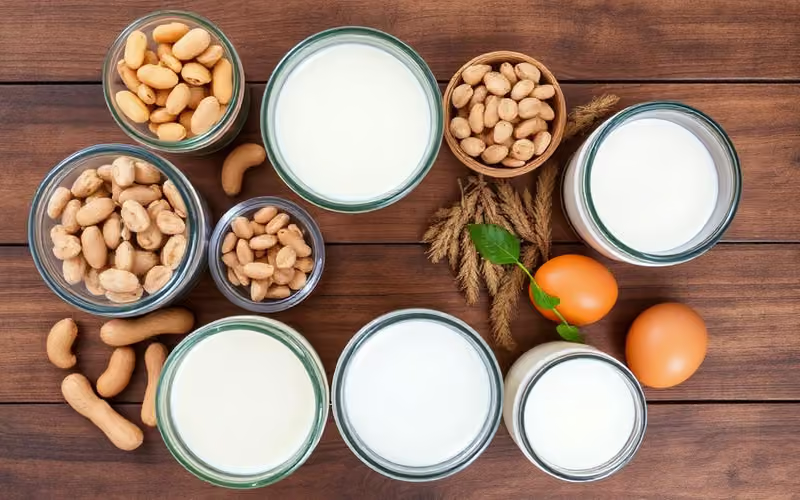
Globally, a small number of foods account for the vast majority of allergic reactions. In the United States, these "Big Eight" represent about 90% of all food allergic reactions:
- Milk: Primarily affecting infants and young children, milk allergy involves an immune reaction to cow's milk proteins. Symptoms range from hives and vomiting to anaphylaxis. Many children outgrow it, but some experience persistent allergy.
- Eggs: Another common allergen in children, egg allergy targets proteins in egg whites and/or yolks. Many children outgrow egg allergy, especially if they can tolerate baked egg products.
- Peanuts: A highly prevalent and often severe allergen, peanut allergy is typically lifelong and can cause life-threatening anaphylaxis with even trace amounts.
- Tree Nuts: Including almonds, walnuts, cashews, pecans, pistachios, Brazil nuts, and hazelnuts. These allergies tend to be severe and lifelong. Cross-reactivity among tree nuts is common.
- Soy: Often found in processed foods, soy allergy typically targets soy proteins and is frequently outgrown by school age. Symptoms commonly involve skin and gastrointestinal issues.
- Wheat: Distinct from celiac disease, wheat allergy involves an immune reaction to wheat proteins. Symptoms can include skin reactions, gastrointestinal issues, respiratory problems, and exercise-induced anaphylaxis. Wheat allergy is often outgrown by early childhood.
- Fish: Can trigger severe reactions, including anaphylaxis, and tends to be a lifelong allergy. Common allergenic fish include cod, salmon, and tuna. Cross-reactivity between different types of fish can occur.
- Shellfish: Including crustaceans (shrimp, crab, lobster) and mollusks (clams, mussels, oysters). Shellfish allergies are common adult-onset food allergies, often causing severe reactions and usually being lifelong. Cross-reactivity among different types of shellfish is common.
Other notable allergens include sesame (now included in US allergen labeling laws), mustard, celery, lupin, and various fruits and vegetables.
(Source: Mayo Clinic, American Academy of Allergy, Asthma & Immunology (AAAAI))
Symptoms and warning signs
Symptoms of a food allergy can range from mild to severe and typically appear within minutes to a few hours after consuming the allergen. The rapidity and severity depend on factors such as allergen amount, individual sensitivity, and co-factors like exercise or asthma. They can affect the skin, gastrointestinal tract, respiratory system, and cardiovascular system.
Common symptoms include:
- Skin:
- Hives (urticaria): Red, itchy welts.
- Angioedema: Swelling, especially around the eyes, lips, face, tongue, or throat.
- Eczema (atopic dermatitis): A flare-up or new patches of red, itchy skin.
- Flushing or generalized itchiness.
- Gastrointestinal:
- Nausea and vomiting.
- Diarrhea.
- Abdominal pain and cramping.
- Oral allergy syndrome: Itching or tingling in the mouth or throat after eating certain raw fruits, vegetables, or tree nuts, particularly in individuals with pollen allergies.
- Respiratory:
- Wheezing or shortness of breath.
- Coughing.
- Nasal congestion, runny nose, or sneezing.
- Tightness in the throat, hoarseness, or difficulty swallowing.
- Stridor: A high-pitched, harsh sound during inhalation.
- Cardiovascular: These are particularly serious and indicate a systemic reaction.
- Dizziness, lightheadedness, or feeling faint.
- Rapid or weak pulse.
- A sudden drop in blood pressure (hypotension).
- Loss of consciousness.
Anaphylaxis is a severe, potentially life-threatening allergic reaction affecting multiple body systems. Key indicators include:
- Sudden onset of skin and/or mucosal changes (e.g., hives, flushing, angioedema).
- Respiratory compromise (e.g., shortness of breath, wheezing).
- Reduced blood pressure or associated symptoms (e.g., collapse, syncope).
- Persistent gastrointestinal symptoms (e.g., severe abdominal pain, vomiting).
Anaphylaxis requires immediate medical attention and is typically treated with an epinephrine auto-injector (e.g., EpiPen). Recognizing these symptoms quickly and acting decisively is critical.
(Source: American Academy of Allergy, Asthma & Immunology (AAAAI), World Health Organization (WHO))
When to see a clinician
You should see a clinician if you suspect you or someone in your care has a food allergy. This is especially important if you experience:
- Symptoms after eating a specific food: Even mild reactions warrant investigation.
- Rapid onset of symptoms: Reactions occurring within minutes to a few hours after exposure.
- Symptoms affecting multiple body systems: Such as skin rash with gastrointestinal distress, or respiratory issues.
- Any symptom suggestive of anaphylaxis: Such as difficulty breathing, swelling of the throat or mouth, dizziness, or a sudden drop in blood pressure.
- Concerns about a child's reaction to food: Especially in infants and young children, as symptoms can sometimes be less clear.
- Difficulty managing an existing food allergy: If you are struggling with avoidance strategies or have concerns about your emergency action plan.
A qualified healthcare professional, such as an allergist, can provide an accurate diagnosis, assess the risk of severe reactions, and develop a personalized management plan. Self-diagnosis or relying on unverified information can be dangerous.
Treatment and management options
Currently, there is no cure for food allergies. The cornerstone of management is strict avoidance of the identified allergen. This involves a multi-faceted approach:
- Strict Allergen Avoidance: This requires understanding the specific allergen(s) and diligent efforts to prevent exposure.
- Careful Label Reading: Understand food labels and identify hidden allergens. Laws in many countries require clear labeling of common allergens (e.g., the "Big Eight" in the US). Always read labels every time, as ingredients can change.
- Cross-Contamination Prevention: Be vigilant about cross-contamination.
- At Home: Dedicate separate cooking utensils, cutting boards, and serving dishes. Clean surfaces thoroughly. Store allergenic foods separately in sealed containers.
- In Restaurants: Communicate clearly with staff about allergies. Ask specific questions about ingredients and preparation. Be aware that allergen-free meals cannot always be guaranteed due to shared equipment.
- At School/Workplace: Educate staff, teachers, and colleagues. Ensure emergency medications are available and staff are trained.
- Social Gatherings: Inform hosts and offer to bring safe food options. Do not assume food is safe unless verified.
- Emergency Preparedness: Individuals with severe allergies must be prepared for accidental exposure.
- Epinephrine Auto-injector (EAI): Carry two EAIs at all times. Epinephrine is the first-line treatment for anaphylaxis.
- Allergy Action Plan: Develop a personalized plan with your healthcare provider. Share this plan with family, friends, school staff, and caregivers.
- Medical ID: Wear a medical alert bracelet or necklace.
- Education: Educating family, friends, school staff, and colleagues about the allergy and emergency protocols is vital.
- Dietitian Consultation: A registered dietitian specializing in allergies can help develop a nutritionally adequate diet that avoids allergens, especially for children.
Emerging Therapies and Research
Research into potential therapies is ongoing:
- Oral Immunotherapy (OIT): Involves ingesting gradually increasing amounts of the allergen under medical supervision to desensitize the immune system. The goal is to raise the threshold of allergen that can trigger a reaction, potentially offering protection against accidental exposures. OIT is not a cure and requires daily commitment but has shown promise for specific allergies. It carries risks of allergic reactions during treatment and must be conducted in specialized clinics.
- Epicutaneous Immunotherapy (EPIT): Involves applying an allergen patch to the skin, delivering small amounts of allergen. The aim is desensitization, potentially with lower risk than OIT.
- Biologics: Medications targeting specific immune pathways, such as omalizumab (Xolair), are being investigated as adjunctive therapy for food allergies.
- Sublingual Immunotherapy (SLIT): Involves placing small amounts of allergen extract under the tongue. While established for environmental allergies, its role in food allergies is still largely experimental.
These treatments are not yet universally available or suitable for all individuals. They require careful consideration of benefits and risks with an allergist.
(Source: National Institute of Allergy and Infectious Diseases (NIAID), American Academy of Allergy, Asthma & Immunology (AAAAI))
Prevention and daily habits
While primary prevention is an active area of research, certain guidelines and daily habits can help manage existing allergies and potentially reduce risks.
- Early Introduction of Allergenic Foods: Emerging evidence suggests that early introduction of common allergenic foods (like peanuts and eggs) to infants (4-6 months), especially in high-risk infants, may reduce allergy risk. This should be done under healthcare guidance.
- Breastfeeding: Encouraged for its many health benefits, but no conclusive evidence proves it prevents food allergies.
- Eczema Management: Effective management of eczema, particularly in infancy, may play a role in preventing food allergies.
- Hand Hygiene: Regular hand washing helps prevent the spread of allergens.
- Ingredient Awareness: Read food labels every time you shop and cook, as ingredients can change. When dining out, proactively communicate your allergies to staff.
- Cross-Contamination Vigilance: Incorporate habits that minimize cross-contamination:
- Use color-coded cutting boards.
- Clean cooking surfaces and utensils thoroughly.
- Store allergenic foods on lower shelves to prevent drips onto non-allergenic items.
- Avoid sharing food or drinks with individuals who have allergies unless ingredients are certain.
- Emergency Plan Review: Regularly review your allergy action plan with your healthcare provider and ensure epinephrine auto-injectors are current. Teach family members how to recognize symptoms and administer epinephrine.
- Stress Management: Living with food allergies can be stressful. Practicing mindfulness, seeking support from allergy groups, and maintaining open communication with healthcare providers can help manage anxiety.
(Source: National Institute of Allergy and Infectious Diseases (NIAID), American Academy of Allergy, Asthma & Immunology (AAAAI))
Frequently asked questions
Q1: What is the difference between a food allergy and a food intolerance?
A food allergy is an immune system reaction to a specific food protein, which can be severe and life-threatening. Even a tiny amount can trigger a reaction. A food intolerance does not involve the immune system; it's a digestive issue (e.g., lactose intolerance). Symptoms are generally less severe, limited to digestive discomfort, and usually require consuming a larger amount of the food. Intolerances are not life-threatening.
Q2: Can a person outgrow a food allergy?
Yes, some food allergies, particularly to milk, eggs, soy, and wheat, are commonly outgrown by childhood or adolescence. Allergies to peanuts, tree nuts, fish, and shellfish are generally more persistent. Regular re-evaluation by an allergist through medical history, testing, and sometimes oral food challenges can determine if an allergy has been outgrown.
Q3: What should I do if someone is having an anaphylactic reaction?
If someone is experiencing anaphylaxis symptoms (e.g., difficulty breathing, swelling of face/throat, sudden weakness, hives), immediately administer epinephrine using an auto-injector if available and prescribed. After administering epinephrine, call emergency services (e.g., 911 in the US) without delay, even if the person seems to be improving. Keep the person lying flat with legs elevated if possible, and monitor them closely until medical help arrives, as a second dose of epinephrine may be needed.
Q4: How can I ensure food is safe when eating out or at social events?
When eating out, always inform restaurant staff (waiter, manager, chef) about your allergies clearly and multiple times. Ask specific questions about ingredients and preparation. Be aware of cross-contamination risks. For social events, inform the host in advance and consider bringing your own safe food options. Be proactive and advocate for your safety. Never assume a dish is safe unless personally verified.
Q5: Are there any hidden sources of common allergens I should know about?
Yes, common allergens can be found in unexpected places. For example, milk or egg can be in some non-dairy creamers, processed meats, or medications. Peanuts or tree nuts might be present in some ethnic dishes, energy bars, or birdseed. Soy is pervasive in processed foods, including sauces, baked goods, and vegetarian meat substitutes. Wheat can be in soy sauce, deli meats, or some cosmetics. Always read ingredient labels carefully and look for "may contain" warnings.
Key takeaways
- Food allergies are serious immune reactions, distinct from food intolerances, and can be life-threatening.
- The "Big Eight" allergens account for most reactions.
- Symptoms range from mild skin reactions to severe anaphylaxis, which requires immediate epinephrine.
- Diagnosis involves medical history, skin prick tests, blood tests, and sometimes oral food challenges.
- Strict avoidance of the allergen is the primary management strategy.
- Emergency preparedness, including carrying an epinephrine auto-injector and having an allergy action plan, is crucial.
- Emerging therapies like OIT and EPIT show promise but are not yet widely available or suitable for everyone.
- Education, careful label reading, and vigilance against cross-contamination are essential.
- Consulting an allergist or registered dietitian is vital for accurate diagnosis and personalized management.
Disclaimer: This article provides general information and should not be considered medical advice. Always consult with a qualified healthcare professional, such as an allergist or registered dietitian, for personalized diagnosis, treatment, and management of food allergies.
Related reading
Keep exploring this topic with our related, evidence-reviewed guides:
- Understanding Macronutrients: Evidence-Based Guide — Macronutrients – carbohydrates, proteins, and fats – are essential for energy, growth, and bodily functions. Understanding their r…
- Understanding Added Sugars: Evidence-Based Guide — Added sugars — not natural sugars in fruit — drive most population-level health harms tied to sweeteners.
- Understanding BMI and Health: Evidence-Based Guide — Understanding your Body Mass Index (BMI) is a starting point for assessing your weight status and potential health risks. Learn wh…
- Mindful Eating Practices: Evidence-Based Guide — Discover how mindful eating can transform your relationship with food, promoting better digestion, weight management, and overall …
- Meal Planning for Busy Weeks: Evidence-Based Guide — A simple weekly plan, batch cooking, and flexible components make healthy eating sustainable.
- Healthy Breakfast Ideas: Evidence-Based Guide — Discover a variety of nutritious and delicious breakfast ideas to fuel your day, improve energy levels, and support overall health…
Sources
- American Academy of Allergy, Asthma & Immunology (AAAAI)
- Mayo Clinic
- National Institute of Allergy and Infectious Diseases (NIAID)
- World Health Organization (WHO)
- Centers for Disease Control and Prevention (CDC)
Sources
Evidence & citations
- Every claim in this nutrition & diet guide is backed by primary data — browse the nutrition and diet health statistics in our sourced statistics library.
- Writing about this topic? Researchers, journalists and educators can cite our nutrition research with ready-made APA, MLA and Chicago references.
My notes on this one
The short version of 7 minutes of reading — what stuck with me while writing “Understanding Food Allergies: Evidence-Based Guide”, what the sources back up, and what I'd actually do about it.
What I'd take away
01 · What the evidence says
Upon subsequent exposure, the allergen binds to these IgE antibodies, triggering the release of inflammatory mediators like histamine, which cause immediate symptoms.
02 · The "Big Eight" Food Allergens
In the United States, these "Big Eight" represent about 90% of all food allergic reactions: Other notable allergens include sesame (now included in US allergen labeling laws), mustard, celery, lupin…
03 · Symptoms and warning signs
Oral allergy syndrome: Itching or tingling in the mouth or throat after eating certain raw fruits, vegetables, or tree nuts, particularly in individuals with pollen allergies.
04 · Treatment and management options
Careful Label Reading: Understand food labels and identify hidden allergens. Laws in many countries require clear labeling of common allergens (e.g., the "Big Eight" in the US). Always read labels every time…
05 · Emerging Therapies and Research
Research into potential therapies is ongoing: These treatments are not yet universally available or suitable for all individuals.
What the sources I read actually say
) Symptoms of a food allergy can range from mild to severe and typically appear within minutes to a few hours after consuming the allergen.
Mayo Clinic — Patient Care & Health Information
If you only do one thing this week
- Avoid sharing food or drinks with individuals who have allergies unless ingredients are certain.
- Keep the person lying flat with legs elevated if possible, and monitor them closely until medical help arrives, as a second dose of epinephrine may be needed.
- Ask specific questions about ingredients and preparation.
Pick the one that fits your week. None of this replaces advice from a clinician who can actually examine you.
Questions I kept coming back to
What is the difference between a food allergy and a food intolerance?+
A food allergy is an immune system reaction to a specific food protein, which can be severe and life-threatening. Even a tiny amount can trigger a reaction. A food intolerance does not involve the immune system; it's a digestive issue (e.g., lactose intolerance). Symptoms are generally less severe, limited to digestive discomfort, and usually require consuming a larger amount of the food…
Can a person outgrow a food allergy?+
Yes, some food allergies, particularly to milk, eggs, soy, and wheat, are commonly outgrown by childhood or adolescence. Allergies to peanuts, tree nuts, fish, and shellfish are generally more persistent. Regular re-evaluation by an allergist through medical history, testing, and sometimes oral food challenges can determine if an allergy has been outgrown.
What should I do if someone is having an anaphylactic reaction?+
If someone is experiencing anaphylaxis symptoms (e.g., difficulty breathing, swelling of face/throat, sudden weakness, hives), immediately administer epinephrine using an auto-injector if available and prescribed. After administering epinephrine, call emergency services (e.g., 911 in the US) without delay, even if the person seems to be improving. Keep the person lying flat with legs elevated if possible…
How can I ensure food is safe when eating out or at social events?+
When eating out, always inform restaurant staff (waiter, manager, chef) about your allergies clearly and multiple times. Ask specific questions about ingredients and preparation. Be aware of cross-contamination risks. For social events, inform the host in advance and consider bringing your own safe food options. Be proactive and advocate for your safety. Never assume a dish is safe unless personally verified.
Are there any hidden sources of common allergens I should know about?+
Yes, common allergens can be found in unexpected places. For example, milk or egg can be in some non-dairy creamers, processed meats, or medications. Peanuts or tree nuts might be present in some ethnic dishes, energy bars, or birdseed. Soy is pervasive in processed foods, including sauces, baked goods, and vegetarian meat substitutes. Wheat can be in soy sauce, deli meats, or some cosmetics…
Was this article helpful?
Be the first to rate this article.
Written by
FaizRuh
I write Health Hub Pro on my own — no clinical licence, no anonymous review panel. Just the published guidance, read carefully and explained plainly.
More about me →How this page was checked
Every claim above is checked against the sources listed at the bottom of this article — WHO, CDC, NIH, NHS, Cochrane and major clinical guidelines. Drafting is AI-assisted; the editing, fact-checking and final wording are mine. It's information, not medical advice. Spotted an error? Tell me and I'll fix it.
Last checked on