Chinese Ginger Remedies for Colds, Nausea, and Cold Hands
A practical, evidence-informed guide to ginger remedies — what matters, what works, common mistakes, and when to consult a professional.
For informational purposes only. This article is educational and is not a substitute for professional medical advice, diagnosis, or treatment. Always consult a qualified healthcare provider about anything affecting your health. Read full disclaimer.
Chinese Ginger Remedies for Colds, Nausea, and Cold Hands
(Not medical or veterinary advice — consult a qualified clinician or veterinarian for personal guidance.)
Introduction
Ginger, known botanically as Zingiber officinale, has a long and rich history of use in various traditional medicine systems, including traditional Chinese medicine (TCM). For centuries, it has been valued for its distinct pungent flavor and its perceived health-supporting properties. In many cultures, ginger is not merely a culinary spice but also a staple in the home remedy cabinet, particularly for common ailments such as colds, feelings of nausea, and discomfort from cold hands or feet.
The application of ginger in Chinese medicine dates back thousands of years. Ancient texts describe its use for warming the body, dispelling cold, and harmonizing the digestive system. Its versatility is reflected in the diverse forms in which it is prepared and consumed, ranging from fresh root to dried powder, and as an ingredient in various teas, concoctions, and dishes. This article explores the traditional uses and contemporary understanding of ginger remedies, focusing on its potential roles in addressing colds, nausea, and symptoms related to cold extremities, while adhering to evidence-informed principles.
Why this matters
The exploration of traditional remedies, such as those involving ginger, holds significant importance for several reasons. Firstly, many individuals seek complementary or alternative approaches to health management, either alongside conventional treatments or for mild, self-limiting conditions. Understanding the historical context and potential benefits of such remedies can empower informed decisions.
Secondly, research into traditional practices often serves as a foundation for scientific inquiry. What begins as anecdotal evidence or traditional wisdom can sometimes lead to the discovery of new compounds or mechanisms of action, contributing to broader medical knowledge. Organizations like the National Institutes of Health (NIH) and the World Health Organization (WHO) recognize the importance of studying traditional medicines to assess their safety and efficacy.
For conditions like the common cold, which often lack specific cures and are managed symptomatically, traditional remedies like ginger are frequently employed for comfort and perceived symptom relief. Similarly, nausea, a common and often debilitating symptom associated with various conditions (e.g., motion sickness, morning sickness, chemotherapy side effects), has also been a focus of traditional ginger use. Addressing discomfort from cold hands or feet, often linked to circulatory considerations or sensitivity to cold, is another area where ginger has been traditionally applied for its warming properties.
However, it is crucial to approach these remedies with a balanced perspective, differentiating between traditional use and scientifically established efficacy, and always prioritizing safety. This article aims to provide an evidence-informed overview, helping individuals understand the role ginger may play while emphasizing the importance of professional medical advice when necessary.
Key principles (evidence-informed)
The use of ginger in traditional Chinese medicine and contemporary applications is underpinned by several key principles. While traditional perspectives often describe energetic properties like "warming" or "dispelling cold," modern scientific inquiry focuses on the biochemical compounds and their physiological effects.
Ginger's Bioactive Compounds
The primary bioactive compounds in ginger are gingerols, shogaols, and paradols. Fresh ginger contains mainly gingerols, which are responsible for its distinctive flavor and many of its perceived health-supporting attributes. When ginger is dried or cooked, gingerols can be converted into shogaols, which are more pungent and may have different or enhanced properties.
- Gingerols: These compounds are extensively studied for their potential anti-inflammatory and antioxidant activities. They are thought to contribute to ginger's efficacy in addressing nausea and providing warmth.
- Shogaols: Formed from gingerols during drying or heating, shogaols are also associated with anti-inflammatory and antioxidant effects, and may play a role in ginger's warming properties.
Cold Symptoms and Immune Support
Traditional Chinese medicine views colds often as an invasion of "cold" or "wind-cold" into the body. Ginger, being a "warming" herb, is traditionally used to "dispel cold" and promote sweating, which is thought to help eliminate pathogens. From a modern perspective, research explores ginger's potential role in immune modulation and its anti-inflammatory effects, which might help alleviate symptoms like sore throat and congestion.
- Anti-inflammatory effects: Gingerols and shogaols have been shown in some laboratory studies to inhibit pathways involved in inflammation. This could contribute to reducing discomfort associated with colds, such as a sore throat or general malaise. (National Institutes of Health - NIH, World Health Organization - WHO)
- Antioxidant properties: Ginger's antioxidant capacity may help protect cells from oxidative stress, a process linked to various health conditions.
- Warming sensation: The pungent compounds in ginger can stimulate circulation and induce a sensation of warmth, which can be comforting during a cold.
Nausea and Digestive Comfort
Ginger has a well-established traditional and increasingly recognized contemporary role in addressing nausea.
- Anti-emetic properties: Multiple studies, including reviews by organizations like Cochrane, have explored ginger's effectiveness in managing various types of nausea, such as morning sickness, motion sickness, and chemotherapy-induced nausea. While the exact mechanisms are still being elucidated, it is thought that gingerols and shogaols interact with serotonin receptors in the gut and brain, which are involved in the nausea reflex. They may also directly affect the digestive tract to promote gastric emptying and reduce spasms. (Cochrane Library)
- Digestive aid: In traditional Chinese medicine, ginger is often used to harmonize the stomach and spleen, aiding digestion and reducing feelings of fullness or discomfort. Its carminative properties may help reduce bloating and gas.
Cold Hands and Circulation
The traditional use of ginger for cold hands and feet is linked to its warming nature and its perceived ability to invigorate circulation.
- Vasodilation: Some research suggests that compounds in ginger may have vasodilatory effects, meaning they can help widen blood vessels, potentially improving blood flow to extremities. This could contribute to a sensation of warmth in cold hands and feet.
- Metabolic stimulation: The pungent nature of ginger can stimulate metabolic processes, which generates heat within the body.
It is important to note that while ginger has a strong traditional basis and emerging scientific support for these applications, individual responses can vary. The evidence base for some applications, especially for conditions like colds, is stronger for symptomatic relief rather than prevention or cure. Always refer to guidance from reputable health organizations for comprehensive health information.
Practical daily habits
Incorporating ginger into daily habits for potential health support can be done in various simple and traditional ways. These methods are generally safe for most individuals when consumed in moderate amounts.
Ginger Tea
This is perhaps the most common and versatile way to consume ginger.
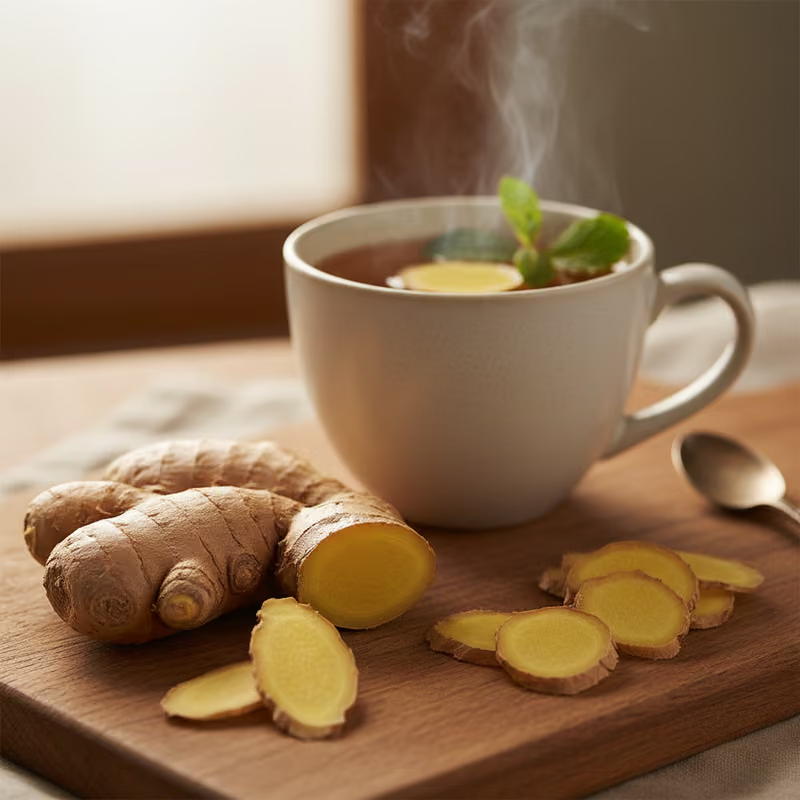
- Preparation: Slice 2-3 thin pieces of fresh ginger root (about 1 inch total) or grate about 1 teaspoon. Place in a mug. Pour hot water over the ginger. Let it steep for 5-10 minutes, depending on desired strength.
- For colds: Drink warm ginger tea frequently throughout the day. You can add a slice of lemon and a small amount of honey (if not contraindicated) for additional flavor and throat comfort. The warmth of the tea and ginger's properties are traditionally thought to help with congestion and body chills.
- For nausea: Sip plain ginger tea slowly. It can be particularly helpful for motion sickness, morning sickness, or general stomach unease.
- For cold hands: Consuming warm ginger tea can contribute to an overall feeling of warmth from within, potentially helping with cold extremities.
Ginger Chews or Candies
These can be convenient options, especially when on the go.
- For nausea: Small ginger chews or candies can be effective for managing sudden onset nausea, such as during travel or in early pregnancy. Look for varieties with real ginger extract.
Ginger in Cooking
Incorporating ginger into meals is an excellent way to benefit from its properties regularly.
- Stir-fries and Soups: Add fresh grated or sliced ginger to stir-fries, broths, and soups. In Chinese cuisine, ginger is frequently used in chicken soup, which is a common comfort food during illness.
- Curries and Stews: Ginger is a staple in many warming dishes globally.
- Marinades: Use grated ginger in marinades for meats or vegetables.
- Desserts: Incorporate ginger into baked goods like gingerbread or ginger snaps, though the heat from baking might alter some of the compounds.
Ginger Compress (External Application for Cold Hands)
While less common, some traditional practices involve external application.
- Preparation: Grate a small amount of fresh ginger and mix it with a little hot water to form a paste. Apply this paste (after checking a small skin area for sensitivity) to areas like the back of the hands, or place it on a cloth and apply.
- Purpose: The warmth and potential circulatory stimulation are thought to help alleviate coldness. However, monitor skin for any irritation. This is a traditional practice and not a primary medical treatment for circulatory issues.
Ginger Bath (For Overall Warmth)
- Preparation: Add several slices of fresh ginger or about 1/4 to 1/2 cup of grated ginger to a muslin bag or directly to warm bathwater.
- Purpose: Soaking in a warm ginger bath can provide a sense of overall warmth and relaxation, which might be comforting when experiencing chills or generalized coldness.
When implementing these habits, consistency can be key. Always start with smaller amounts to assess individual tolerance and preference. While ginger is generally considered safe, excessive consumption may lead to mild digestive upset in some individuals.
Common mistakes to avoid
While ginger is widely used and generally considered safe for most people in culinary amounts, there are several common mistakes to avoid to ensure its safe and effective use, particularly when considering it for health-related purposes.
- Exceeding recommended amounts without guidance: While there isn't a universally established "dose" for ginger remedies, consuming very large quantities, especially of concentrated forms (like extracts or supplements), without professional guidance can lead to side effects such as heartburn, stomach upset, or diarrhea. Stick to common culinary amounts or consult a healthcare professional for specific supplement dosages.
- Relying solely on ginger for serious conditions: Ginger can be a helpful complementary remedy for mild symptoms, but it should not be used as a substitute for professional medical care, especially for serious or persistent illnesses. For conditions like severe or persistent nausea, high fever, or significant respiratory distress during a cold, medical evaluation is essential.
- Ignoring potential drug interactions: Ginger can interact with certain medications. For example, it may have mild anticoagulant properties, potentially increasing the risk of bleeding in individuals taking blood-thinning medications (like warfarin or aspirin). It might also affect blood sugar levels, which is a consideration for individuals with diabetes who are on medication. Always discuss ginger consumption, especially in supplement form, with a healthcare provider if you are on medication.
- Using ginger to self-diagnose or delay seeking medical attention: If symptoms are unusual, severe, worsening, or persistent, relying on home remedies like ginger without a proper diagnosis can delay necessary medical intervention. For instance, persistent nausea could indicate an underlying condition requiring treatment.
- Assuming all ginger products are equal: The quality and concentration of ginger can vary widely between fresh root, dried powder, teas, and supplements. Some products may contain less active ingredient than others, or may have added ingredients. When choosing ginger supplements, look for reputable brands and products with standardized extracts, if applicable.
- Applying essential ginger oil directly to skin without dilution: Ginger essential oil is highly concentrated and can cause skin irritation if applied undiluted. If using for external applications, always dilute it properly with a carrier oil.
- Using ginger for cold hands without addressing underlying causes: While ginger may provide temporary warmth, persistent cold hands can be a symptom of underlying conditions such as Raynaud's phenomenon, circulatory issues, or thyroid problems. Relying on ginger without investigating the root cause can mean delaying an important diagnosis and treatment.
- Expecting immediate or miraculous results: Like many natural remedies, ginger's effects may be subtle and take time. It's not a quick fix for acute conditions, but rather a support for the body's natural processes. Manage expectations and focus on symptomatic relief rather than a cure.
By being mindful of these common pitfalls, individuals can integrate ginger into their wellness routines more safely and effectively.
When to see a professional
While ginger can be a comforting and potentially helpful remedy for mild symptoms, it is crucial to recognize when symptoms warrant professional medical attention. Delaying consultation with a qualified clinician can lead to worsening conditions or missed diagnoses.
For Colds and Respiratory Symptoms:
- Persistent or High Fever: If a fever persists for more than a few days, or if it is very high (e.g., above 103°F or 39.4°C for adults, or significantly high for children), seek medical advice.
- Difficulty Breathing or Shortness of Breath: These are serious symptoms that require immediate medical evaluation.
- Chest Pain: Any new or worsening chest pain should be assessed by a healthcare professional.
- Severe Sore Throat: If a sore throat is so severe that it is difficult to swallow, or if it is accompanied by swollen glands, it should be checked.
- Worsening Symptoms: If cold symptoms initially improve but then return or worsen significantly, it could indicate a secondary infection (e.g., bacterial infection) that needs treatment.
- Symptoms lasting longer than usual: If typical cold symptoms persist for more than 7-10 days without improvement, a medical consultation is advisable.
- Individuals with underlying chronic conditions: Those with conditions like asthma, COPD, heart disease, or weakened immune systems should seek medical attention early if they develop cold or flu-like symptoms.
For Nausea and Digestive Issues:
- Severe or Persistent Nausea and Vomiting: If nausea and vomiting are severe, prevent you from keeping fluids down, or last for more than 24-48 hours, medical evaluation is necessary to prevent dehydration and identify the cause.
- Vomiting Blood or Black Vomit: This is a medical emergency and requires immediate attention.
- Severe Abdominal Pain: If nausea is accompanied by intense abdominal pain, especially if it's sudden or localized, seek urgent medical care.
- Unexplained Weight Loss: Chronic nausea or digestive issues leading to unintentional weight loss should be investigated by a doctor.
- Nausea with other alarming symptoms: If nausea is accompanied by symptoms like dizziness, confusion, severe headache, vision changes, or high fever, seek medical attention.
- Pregnancy-related nausea that is debilitating: While ginger can help with morning sickness, if nausea and vomiting in pregnancy are severe enough to cause significant weight loss, dehydration, or prevent daily activities (hyperemesis gravidarum), medical intervention is needed.
For Cold Hands/Feet and Circulatory Concerns:
- Persistent or Severe Cold Hands/Feet: If coldness is constant, accompanied by pain, numbness, tingling, or changes in skin color (e.g., blue, white, or red patches), it could indicate an underlying circulatory issue (like Raynaud's phenomenon, peripheral artery disease, or other conditions).
- Skin Changes: Ulcers, sores, or non-healing wounds on fingers or toes, particularly if they are cold, require prompt medical assessment.
- One-sided Coldness: If only one hand or foot is consistently cold, it could suggest a localized circulatory problem that needs investigation.
- Accompanying Symptoms: If cold extremities are accompanied by fatigue, significant weight changes, hair loss, or other systemic symptoms, it might suggest a thyroid condition or other systemic illness.
In all instances, if you have any doubts or concerns about your symptoms, or if you are taking medications that could interact with ginger, it is always best to consult with a qualified healthcare professional. They can provide an accurate diagnosis and personalized treatment plan.
Frequently asked questions
Q: Can ginger help prevent colds, or only treat symptoms?
A: Ginger is primarily recognized for its potential to help alleviate cold symptoms rather than prevent the common cold itself. Its traditional warming properties and contemporary understanding of its anti-inflammatory and antioxidant compounds suggest it may offer symptomatic relief for discomforts like sore throat, congestion, and general malaise. While a robust immune system is key to prevention, ginger is not considered a primary preventative measure against viral infections like the common cold.
Q: What is the best form of ginger to use for nausea?
A: For nausea, fresh ginger root, ginger tea, or ginger chews are often recommended. Fresh ginger can be grated and added to hot water to make tea, or consumed in small amounts. Ginger chews or candies can be convenient for on-the-go relief. Some individuals find crystallized ginger effective. The key active compounds, gingerols and shogaols, are present in these forms and are thought to contribute to its anti-emetic effects. Always choose products with real ginger.
Q: Is there a difference between fresh ginger and dried ginger for health benefits?
A: Yes, there is a difference in their chemical composition and traditional uses. Fresh ginger contains higher levels of gingerols, which give it its pungent flavor and are associated with many of its health properties, particularly for nausea. When ginger is dried or cooked, gingerols are partially converted into shogaols, which are more pungent and may have stronger warming properties. In traditional Chinese medicine, fresh ginger (Sheng Jiang) is often used to dispel cold and address nausea, while dried ginger (Gan Jiang) is used more for its warming properties and to strengthen the spleen and stomach. Both forms offer health-supporting compounds.
Q: How much ginger is safe to consume daily?
A: For general health support and symptomatic relief, consuming 1-4 grams of fresh ginger root daily is often cited as a common amount in various studies and traditional uses. This typically translates to about 1-2 teaspoons of grated fresh ginger or a few cups of ginger tea. When using dried ginger powder, the amount would be significantly less, typically 0.5 to 1 gram (about 1/4 to 1/2 teaspoon). However, individual tolerance varies, and larger amounts may cause mild digestive upset in some people. It's best to start with smaller quantities and adjust as needed. Always consult a healthcare professional for specific recommendations, especially if pregnant, breastfeeding, or on medication.
Q: Can ginger interact with medications?
A: Yes, ginger can potentially interact with certain medications. It is known to have mild anticoagulant properties, meaning it might increase the risk of bleeding when taken with blood-thinning medications like warfarin, aspirin, or clopidogrel. Ginger may also affect blood sugar levels, so individuals with diabetes on medication should use it cautiously and monitor their glucose. Additionally, it might influence blood pressure, so those on blood pressure medications should be aware. It is crucial to consult with a qualified healthcare professional or pharmacist before significantly increasing ginger intake or taking ginger supplements, especially if you are on any prescription medications or have chronic health conditions.
Key takeaways
- Ginger, specifically Zingiber officinale, has a long history in traditional Chinese medicine for its perceived warming and health-supporting properties.
- Its primary bioactive compounds, gingerols and shogaols, are studied for their potential anti-inflammatory, antioxidant, and anti-nausea effects.
- For colds, ginger is traditionally used to "dispel cold" and may help alleviate symptomatic discomfort like sore throat and congestion through its anti-inflammatory properties and warming sensation.
- For nausea, ginger has a strong traditional and contemporary evidence base for managing various types of nausea, including morning sickness and motion sickness, potentially by interacting with digestive and neurological pathways.
- For cold hands, ginger's warming properties and potential to stimulate circulation are traditionally applied to help alleviate discomfort from cold extremities.
- Practical ways to consume ginger include fresh ginger tea, incorporating it into cooking, and using ginger chews.
- Common mistakes to avoid include excessive consumption, relying solely on ginger for serious conditions, ignoring potential drug interactions, and delaying professional medical advice.
- It is crucial to see a professional for persistent high fever, difficulty breathing, severe or persistent nausea/vomiting, severe abdominal pain, sudden or severe cold extremities with skin changes, or if you have underlying chronic health conditions or are on medications.
- Always approach traditional remedies with an evidence-informed perspective, prioritizing safety, and consulting healthcare professionals for personalized guidance.
Related reading
Keep exploring this topic with our related, evidence-reviewed guides:
- Chinese Cold and Flu Traditions: Steam, Broth, and Rest — A practical, evidence-informed guide to chinese cold remedies — what matters, what works, common mistakes, and when to consult a p…
- Why Chinese Families Drink Warm Water and What It Does for Digestion — A practical, evidence-informed guide to warm water benefits — what matters, what works, common mistakes, and when to consult a pro…
- Fermented Chinese Foods: Pickles, Vinegar, and Gut Health — A practical, evidence-informed guide to fermented chinese food — what matters, what works, common mistakes, and when to consult a …
- Bitter Melon, Winter Melon, and Chinese Vegetables for Blood Sugar — A practical, evidence-informed guide to bitter melon benefits — what matters, what works, common mistakes, and when to consult a p…
- Chinese Calligraphy and Mindfulness: A Traditional Focus Practice — A practical, evidence-informed guide to calligraphy mindfulness — what matters, what works, common mistakes, and when to consult a…
- Chinese Approaches to Back Pain: Movement, Heat, and Posture — A practical, evidence-informed guide to chinese back pain remedies — what matters, what works, common mistakes, and when to consul…
Sources
- World Health Organization (WHO)
- National Institutes of Health (NIH)
- Cochrane Library
- Mayo Clinic
- National Health Service (NHS, UK)
- Centers for Disease Control and Prevention (CDC)
Sources
Evidence & citations
- Every claim in this chinese health wisdom guide is backed by primary data — browse the longevity and lifestyle health statistics in our sourced statistics library.
- Writing about this topic? Researchers, journalists and educators can cite our traditional Chinese health research with ready-made APA, MLA and Chicago references.
My notes on this one
The short version of 15 minutes of reading — what stuck with me while writing “Chinese Ginger Remedies for Colds, Nausea, and Cold Hands”, what the sources back up, and what I'd actually do about it.
What I'd take away
01 · Why this matters
Organizations like the National Institutes of Health (NIH) and the World Health Organization (WHO) recognize the importance of studying traditional medicines to assess their safety and efficacy.
02 · Key principles
While traditional perspectives often describe energetic properties like "warming" or "dispelling cold," modern scientific inquiry focuses on the biochemical compounds and their physiological effects.
03 · Ginger's Bioactive Compounds
Gingerols: These compounds are extensively studied for their potential anti-inflammatory and antioxidant activities. They are thought to contribute to ginger's efficacy in addressing nausea and providing warmth…
04 · Cold Symptoms and Immune Support
From a modern perspective, research explores ginger's potential role in immune modulation and its anti-inflammatory effects, which might help alleviate symptoms like sore throat and congestion.
05 · Nausea and Digestive Comfort
Digestive aid: In traditional Chinese medicine, ginger is often used to harmonize the stomach and spleen, aiding digestion and reducing feelings of fullness or discomfort…
What the sources I read actually say
Organizations like the National Institutes of Health (NIH) and the World Health Organization (WHO) recognize the importance of studying traditional medicines to assess their safety and efficacy.
World Health OrganizationThe evidence base for some applications, especially for conditions like colds, is stronger for symptomatic relief rather than prevention or cure.
Centers for Disease Control and Prevention
If you only do one thing this week
- A: For general health support and symptomatic relief, consuming 1-4 grams of fresh ginger root daily is often cited as a common amount in various studies and traditional uses.
- When using dried ginger powder, the amount would be significantly less, typically 0.5 to 1 gram (about 1/4 to 1/2 teaspoon).
- Symptoms lasting longer than usual — If typical cold symptoms persist for more than 7-10 days without improvement, a medical consultation is advisable.
Pick the one that fits your week. None of this replaces advice from a clinician who can actually examine you.
Questions I kept coming back to
Can ginger help prevent colds, or only treat symptoms?+
Ginger is primarily recognized for its potential to help alleviate cold symptoms rather than prevent the common cold itself. Its traditional warming properties and contemporary understanding of its anti-inflammatory and antioxidant compounds suggest it may offer symptomatic relief for discomforts like sore throat, congestion, and general malaise. While a robust immune system is key to prevention…
What is the best form of ginger to use for nausea?+
For nausea, fresh ginger root, ginger tea, or ginger chews are often recommended. Fresh ginger can be grated and added to hot water to make tea, or consumed in small amounts. Ginger chews or candies can be convenient for on-the-go relief. Some individuals find crystallized ginger effective. The key active compounds, gingerols and shogaols…
Is there a difference between fresh ginger and dried ginger for health benefits?+
Yes, there is a difference in their chemical composition and traditional uses. Fresh ginger contains higher levels of gingerols, which give it its pungent flavor and are associated with many of its health properties, particularly for nausea. When ginger is dried or cooked, gingerols are partially converted into shogaols, which are more pungent and may have stronger warming properties…
How much ginger is safe to consume daily?+
For general health support and symptomatic relief, consuming 1-4 grams of fresh ginger root daily is often cited as a common amount in various studies and traditional uses. This typically translates to about 1-2 teaspoons of grated fresh ginger or a few cups of ginger tea. When using dried ginger powder, the amount would be significantly less, typically 0.5 to 1 gram (about 1/4 to 1/2 teaspoon). However…
Can ginger interact with medications?+
Yes, ginger can potentially interact with certain medications. It is known to have mild anticoagulant properties, meaning it might increase the risk of bleeding when taken with blood-thinning medications like warfarin, aspirin, or clopidogrel. Ginger may also affect blood sugar levels, so individuals with diabetes on medication should use it cautiously and monitor their glucose. Additionally…
Was this article helpful?
Be the first to rate this article.
Written by
FaizRuh
I write Health Hub Pro on my own — no clinical licence, no anonymous review panel. Just the published guidance, read carefully and explained plainly.
More about me →How this page was checked
Every claim above is checked against the sources listed at the bottom of this article — WHO, CDC, NIH, NHS, Cochrane and major clinical guidelines. Drafting is AI-assisted; the editing, fact-checking and final wording are mine. It's information, not medical advice. Spotted an error? Tell me and I'll fix it.
Last checked on