Guinea Pig and Hamster Care: Common Health Problems to Watch
A practical, evidence-informed guide to guinea pig health — what matters, what works, common mistakes, and when to consult a professional.
For informational purposes only. This article is educational and is not a substitute for professional medical advice, diagnosis, or treatment. Always consult a qualified healthcare provider about anything affecting your health. Read full disclaimer.
Guinea Pig and Hamster Care: Common Health Problems to Watch
(Not medical or veterinary advice — consult a qualified clinician or veterinarian for personal guidance.)
Introduction
Caring for small pets like guinea pigs and hamsters can be a rewarding experience. These popular companions, while relatively small, have unique needs and are susceptible to various health issues that responsible caregivers should be aware of. Understanding the common health problems, their signs, and preventive measures is crucial for ensuring their well-being and longevity. This guide aims to provide evidence-informed insights into the proper care of these animals, highlighting key principles and practical daily habits to help maintain their health and happiness.
Guinea pigs (Cavia porcellus) and hamsters (various species, including Syrian, Dwarf, and Roborovski) are distinct species with different biological requirements. Guinea pigs are herbivores requiring a constant supply of hay and vitamin C, while hamsters are omnivores with cheek pouches designed for carrying food. Despite these differences, both species share a vulnerability to certain environmental stressors, improper diets, and infections that can lead to health complications. Vigilant observation and appropriate care are fundamental to preventing and managing these conditions.
Why this matters
The health and well-being of companion animals are paramount. For guinea pigs and hamsters, their small size and prey animal instincts often mean they hide signs of illness until conditions are advanced. This makes early detection challenging but vital. Neglecting their specific dietary, environmental, and social needs can lead to chronic health issues, suffering, and a reduced lifespan.
Understanding the common health problems in these pets allows caregivers to:
- Prevent Illness: By providing appropriate housing, diet, and enrichment, many common ailments can be avoided.
- Early Detection: Recognizing subtle changes in behavior, appetite, or physical appearance can prompt timely intervention.
- Timely Veterinary Care: Knowing when a condition warrants professional veterinary attention can be life-saving, as small animal health can deteriorate rapidly.
- Improved Quality of Life: Proactive and informed care contributes significantly to a pet's comfort, happiness, and overall quality of life.
- Responsible Pet Ownership: Educating oneself about their needs is a cornerstone of ethical and responsible pet ownership, fulfilling the commitment made when bringing an animal into one's home.
Key principles (evidence-informed)
Proper care for guinea pigs and hamsters revolves around several fundamental principles rooted in veterinary science and animal welfare. Adhering to these principles can significantly reduce the incidence of common health problems.
1. Appropriate Diet:
- Guinea Pigs: Their diet must be high in fiber and include a daily source of Vitamin C.
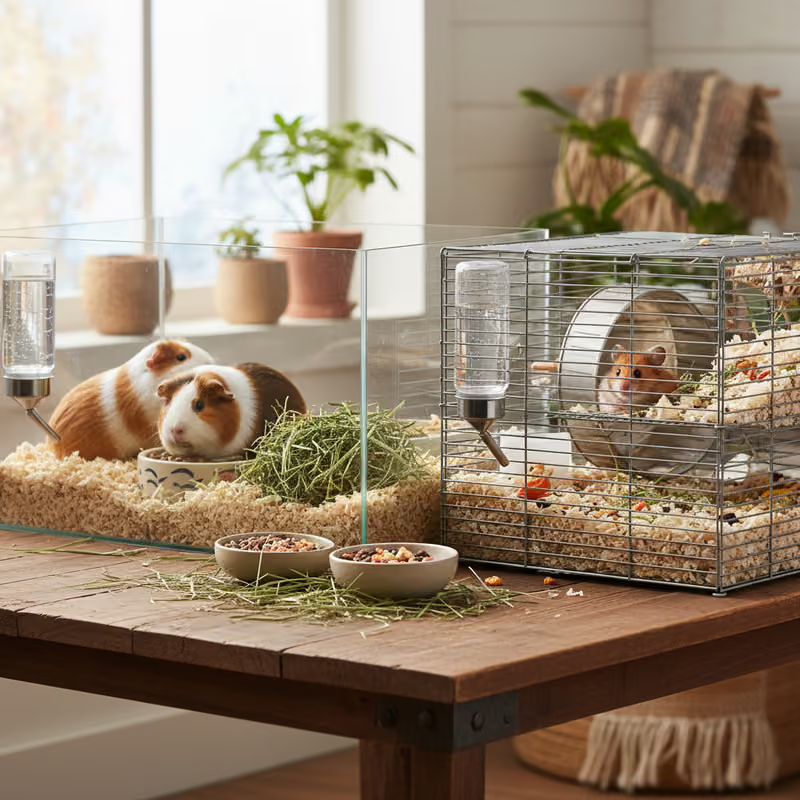
- Hay (Timothy Hay, Orchard Grass): Should make up the bulk (80% or more) of their diet and be available at all times. It is essential for dental wear and digestive health.
- Pellets: High-quality, plain guinea pig pellets (not mixed with seeds or dried fruit) should be offered in limited quantities.
- Fresh Vegetables: A variety of safe, leafy green vegetables and small amounts of other vegetables daily provide vitamins, minerals, and moisture. Specific examples include bell peppers (high in vitamin C), romaine lettuce, and small amounts of carrots.
- Vitamin C: Guinea pigs cannot synthesize their own Vitamin C and require a daily dietary source to prevent scurvy. This can come from fresh vegetables or, if recommended by a veterinarian, supplemental drops in water or food.
- Water: Fresh, clean water must always be available, typically in a sipper bottle. (Source: American Veterinary Medical Association - AVMA; World Organisation for Animal Health - WOAH/OIE guidelines on animal welfare)
- Hamsters: Omnivores with specific needs.
- Commercial Hamster Mix: A high-quality, balanced hamster pellet or mix (containing grains, seeds, and some protein) should form the basis of their diet. Avoid mixes with excessive sugary treats or sunflower seeds, as these can lead to obesity and nutrient imbalances.
- Small Amounts of Fresh Food: Occasional small pieces of safe fruits (e.g., apple without seeds, banana) and vegetables (e.g., broccoli, carrot) can be offered as treats.
- Protein: Small amounts of cooked lean meat (unseasoned), hard-boiled egg, or mealworms can be given periodically.
- Water: Fresh, clean water should always be available, usually in a sipper bottle. (Source: AVMA; WOAH/OIE guidelines on animal welfare)
2. Suitable Housing:
- Size: Cages must be sufficiently large to allow for exercise, exploration, and separate areas for sleeping, eating, and waste. For guinea pigs, larger cages are generally better, providing space for running. Hamsters also need ample space, with Syrian hamsters requiring larger enclosures than dwarf varieties.
- Bedding: Safe, absorbent, and dust-free bedding is crucial. Options include paper-based bedding, aspen shavings, or hay (for guinea pigs). Avoid cedar and pine shavings, which can cause respiratory issues due to aromatic oils.
- Enrichment:
- Guinea Pigs: Tunnels, hidey houses, and chew toys (e.g., untreated wood, hay-based items) are essential.
- Hamsters: A solid-surface exercise wheel (not wire, to prevent foot injuries), tunnels, chew toys, and substrate for burrowing are vital.
- Location: Cages should be placed in a quiet area, away from direct sunlight, drafts, and extreme temperatures.
- Cleanliness: Regular cleaning of the cage is critical to prevent ammonia buildup from urine, which can lead to respiratory problems, and to control parasites. (Source: AVMA; Mayo Clinic - Animal Health)
3. Social Needs (Species-Specific):
- Guinea Pigs: Highly social animals that thrive in groups. They should ideally be kept in pairs or small same-sex groups to prevent loneliness and promote natural behaviors.
- Hamsters: Most species are solitary (especially Syrian hamsters) and should be housed individually to prevent fighting and stress. Dwarf hamsters can sometimes be housed in same-sex pairs or groups if introduced carefully and monitored closely, but housing separately is often recommended to avoid conflict. (Source: AVMA)
4. Environmental Control:
- Temperature: Both guinea pigs and hamsters are sensitive to extreme temperatures. Guinea pigs are prone to heatstroke above 26°C (80°F) and susceptible to respiratory infections below 18°C (65°F). Hamsters prefer moderate temperatures, typically between 20-22°C (68-72°F).
- Humidity: Moderate humidity levels are important to prevent skin issues and respiratory problems. (Source: AVMA; NHS - Pet health information)
Practical daily habits
Implementing a routine of daily habits can significantly contribute to the health and well-being of guinea pigs and hamsters.
- Daily Health Checks: Observe your pet closely each day. Look for changes in appetite, thirst, activity level, posture, breathing, coat condition, and stool consistency. Check for discharge from eyes or nose, matted fur around the hindquarters, or any lumps/bumps.
- Fresh Food and Water: Replenish food and ensure fresh, clean water is available. For guinea pigs, ensure a constant supply of fresh hay.
- Spot Cleaning: Remove soiled bedding and waste daily. This helps maintain a cleaner environment and reduces odors and potential for bacterial growth.
- Exercise and Enrichment: Ensure guinea pigs have space for exercise and hamsters have a safe, solid-surface wheel. Rotate toys and provide opportunities for mental stimulation.
- Handling (Gentle and Regular): Regular, gentle handling helps habituate pets to human contact, making health checks easier and reducing stress during veterinary visits. It also allows for bonding and closer observation.
- Cage Security: Check that cage doors are secure and there are no escape routes. For hamsters, ensure bars are appropriately spaced to prevent escape or injury.
Common mistakes to avoid
Avoiding common pitfalls in care is as crucial as practicing good habits. Many health problems stem from preventable errors.
- Incorrect Diet:
- Guinea Pigs: Not providing enough hay or vitamin C, feeding sugary treats, or offering an excess of pellets can lead to dental problems, obesity, and scurvy.
- Hamsters: Feeding mixes high in seeds and sugar, which can cause obesity, diabetes (especially in dwarf hamsters), and nutritional deficiencies.
- Inadequate Housing:
- Small Cages: Restricts movement, leading to boredom, stress, and lack of exercise, which can contribute to obesity and behavioral issues.
- Unsafe Bedding: Using cedar or pine shavings can cause respiratory irritation. Wire-bottomed cages can lead to foot injuries (pododermatitis).
- Lack of Enrichment: Can lead to boredom, stress, and destructive behaviors.
- Improper Socialization:
- Guinea Pigs: Keeping them alone can lead to loneliness and depression.
- Hamsters: Housing Syrian hamsters together can lead to severe fighting and injury.
- Poor Hygiene: Infrequent cage cleaning leads to ammonia buildup, increasing the risk of respiratory infections, urine scalding, and parasite infestations.
- Lack of Veterinary Care: Delaying veterinary attention when signs of illness appear. Small animals can decline rapidly, making early intervention critical. Many health conditions require professional diagnosis and treatment.
- Ignoring Subtle Signs: Small pets are prey animals and instinctively hide illness. Overlooking minor changes in behavior or appearance can allow a condition to worsen significantly before it is recognized.
- DIY Treatments: Attempting to treat illnesses without veterinary guidance can be dangerous and detrimental to the animal's health.
When to see a professional
Knowing when to seek veterinary attention is crucial, as many small animal illnesses can progress rapidly. Any significant change from your pet's normal behavior or physical condition warrants a call to an exotics veterinarian.
Seek immediate veterinary care if you observe any of the following:
- Changes in Appetite or Thirst: Not eating or drinking, or a significant decrease in consumption for more than a few hours.
- Lethargy or Weakness: Reduced activity level, reluctance to move, hunched posture.
- Changes in Stool or Urine: Diarrhea, absence of feces, blood in urine or feces, straining to urinate.
- Breathing Difficulties: Labored breathing, sneezing, wheezing, discharge from nose or eyes.
- Dental Problems: Drooling, difficulty eating, overgrown incisors (visible front teeth).
- Weight Loss: Noticeable loss of body condition despite eating.
- Lumps or Bumps: Any unusual swelling or mass on the body.
- Injuries: Limping, wounds, broken bones, or any signs of trauma.
- Hair Loss or Skin Irritation: Excessive scratching, scabs, red patches, matted fur.
- Unusual Discharges: From eyes, nose, ears, or genital area.
- Heat Stress: Panting, drooling, lethargy in warm conditions (guinea pigs).
- Lack of Activity in Hamsters: Hamsters that do not wake up at their usual time or are unresponsive.
It is advisable to have an initial veterinary check-up soon after acquiring a new guinea pig or hamster, and annual wellness checks can help detect potential issues early. (Source: AVMA)
Frequently asked questions
Q: What are the most common health problems in guinea pigs?
A: Guinea pigs are prone to several health issues, including dental problems (due to constantly growing teeth), vitamin C deficiency (scurvy), respiratory infections, bladder stones, skin parasites (mites, lice), and pododermatitis (bumblefoot). Many of these are linked to diet or husbandry.
Q: How can I tell if my hamster is sick?
A: Signs of illness in hamsters can include decreased appetite or thirst, lethargy, wet tail (diarrhea around the tail), ruffled fur, discharge from eyes or nose, shivering, limping, or any unusual lumps or bumps. Hamsters are nocturnal, so it's important to observe them during their active hours.
Q: What is "wet tail" in hamsters and how serious is it?
A: "Wet tail" is a severe, often fatal, bacterial infection of the gastrointestinal tract, primarily seen in young, recently weaned, or stressed hamsters. It causes severe diarrhea, leading to a wet, matted tail area, dehydration, and rapid decline. It is extremely serious and requires immediate veterinary attention.
Q: Why do guinea pigs need Vitamin C and what happens if they don't get enough?
A: Guinea pigs, like humans, cannot synthesize their own Vitamin C and must obtain it from their diet. A deficiency leads to scurvy, which can cause painful joints, poor coat condition, lethargy, internal bleeding, and dental problems. Fresh bell peppers and quality guinea pig pellets are good sources.
Q: What kind of bedding is safest for small pets to prevent respiratory problems?
A: Safe bedding options include paper-based bedding, recycled paper pellets, or aspen shavings. Avoid cedar and pine shavings, as they contain aromatic oils that can irritate the respiratory system and liver of small animals, potentially leading to long-term health issues. (Source: National Institutes of Health - NIH - environmental health considerations)
Key takeaways
Providing optimal care for guinea pigs and hamsters involves a commitment to understanding their specific needs and being vigilant for any signs of illness.
- Prevention is Key: A species-appropriate diet, suitable housing, proper environmental control, and appropriate social structures are fundamental to preventing many common health problems.
- Daily Observation: Regular, close observation of your pet's behavior, appetite, and physical condition is critical for early detection of potential issues. Small pets often hide illness until it is advanced.
- Exotics Veterinarian: Establishing a relationship with a veterinarian experienced in treating small mammals (an "exotics vet") is essential. They are equipped to diagnose and treat the unique health challenges these animals face.
- Timely Intervention: Do not delay seeking professional veterinary care if you suspect your pet is unwell. Their health can deteriorate rapidly, and early treatment can significantly improve outcomes.
- Lifelong Learning: Continuously educate yourself on the best practices for guinea pig and hamster care, consulting reputable sources and veterinary professionals.
By adhering to these principles and maintaining proactive care, caregivers can ensure a healthy, happy, and fulfilling life for their guinea pig and hamster companions.
Related reading
Keep exploring this topic with our related, evidence-reviewed guides:
- Pet Bird Health: Cage Setup, Diet, and Respiratory Warning Signs — A practical, evidence-informed guide to pet bird health — what matters, what works, common mistakes, and when to consult a profess…
- Sheep and Goat Health: Parasites, Hoof Trimming, and Nutrition — A practical, evidence-informed guide to sheep health — what matters, what works, common mistakes, and when to consult a profession…
- Reptile Health Basics: Heat, Light, Humidity, and Nutrition — A practical, evidence-informed guide to reptile health — what matters, what works, common mistakes, and when to consult a professi…
- Horse Health Essentials: Hooves, Teeth, Colic, and Conditioning — A practical, evidence-informed guide to horse health — what matters, what works, common mistakes, and when to consult a profession…
- Pet First Aid: What Every Owner Should Keep and Know — A practical, evidence-informed guide to pet first aid — what matters, what works, common mistakes, and when to consult a professio…
- Senior Dog Care: Arthritis, Cognition, and Comfort at Home — A practical, evidence-informed guide to senior dog care — what matters, what works, common mistakes, and when to consult a profess…
Sources
- American Veterinary Medical Association (AVMA)
- Mayo Clinic - Animal Health
- National Institutes of Health (NIH) - Environmental Health Considerations
- NHS (National Health Service, UK) - Pet Health Information
- World Organisation for Animal Health (WOAH/OIE) - Animal Welfare Guidelines
Sources
Evidence & citations
- Every claim in this animal health guide is backed by primary data — browse the zoonotic and one-health statistics in our sourced statistics library.
- Writing about this topic? Researchers, journalists and educators can cite our animal health guidance with ready-made APA, MLA and Chicago references.
My notes on this one
The short version of 10 minutes of reading — what stuck with me while writing “Guinea Pig and Hamster Care: Common Health Problems to Watch”, what the sources back up, and what I'd actually do about it.
What I'd take away
01 · Why this matters
Responsible Pet Ownership: Educating oneself about their needs is a cornerstone of ethical and responsible pet ownership, fulfilling the commitment made when bringing an animal into one's home.
02 · Key principles
Hay (Timothy Hay, Orchard Grass): Should make up the bulk (80% or more) of their diet and be available at all times. It is essential for dental wear and digestive health.
03 · Practical daily habits
Handling (Gentle and Regular): Regular, gentle handling helps habituate pets to human contact, making health checks easier and reducing stress during veterinary visits…
04 · Common mistakes to avoid
Lack of Veterinary Care: Delaying veterinary attention when signs of illness appear. Small animals can decline rapidly, making early intervention critical…
What the sources I read actually say
Cleanliness: Regular cleaning of the cage is critical to prevent ammonia buildup from urine, which can lead to respiratory problems, and to control parasites.
Centers for Disease Control and PreventionProviding optimal care for guinea pigs and hamsters involves a commitment to understanding their specific needs and being vigilant for any signs of illness.
National Institutes of Health
If you only do one thing this week
- Avoid cedar and pine shavings, as they contain aromatic oils that can irritate the respiratory system and liver of small animals, potentially leading to long-term health issues.
- Hay (Timothy Hay, Orchard Grass) — Should make up the bulk (80% or more) of their diet and be available at all times. It is essential for dental wear and digestive health.
Pick the one that fits your week. None of this replaces advice from a clinician who can actually examine you.
Questions I kept coming back to
What are the most common health problems in guinea pigs?+
Guinea pigs are prone to several health issues, including dental problems (due to constantly growing teeth), vitamin C deficiency (scurvy), respiratory infections, bladder stones, skin parasites (mites, lice), and pododermatitis (bumblefoot). Many of these are linked to diet or husbandry.
How can I tell if my hamster is sick?+
Signs of illness in hamsters can include decreased appetite or thirst, lethargy, wet tail (diarrhea around the tail), ruffled fur, discharge from eyes or nose, shivering, limping, or any unusual lumps or bumps. Hamsters are nocturnal, so it's important to observe them during their active hours.
What is "wet tail" in hamsters and how serious is it?+
"Wet tail" is a severe, often fatal, bacterial infection of the gastrointestinal tract, primarily seen in young, recently weaned, or stressed hamsters. It causes severe diarrhea, leading to a wet, matted tail area, dehydration, and rapid decline. It is extremely serious and requires immediate veterinary attention.
Why do guinea pigs need Vitamin C and what happens if they don't get enough?+
Guinea pigs, like humans, cannot synthesize their own Vitamin C and must obtain it from their diet. A deficiency leads to scurvy, which can cause painful joints, poor coat condition, lethargy, internal bleeding, and dental problems. Fresh bell peppers and quality guinea pig pellets are good sources.
What kind of bedding is safest for small pets to prevent respiratory problems?+
Safe bedding options include paper-based bedding, recycled paper pellets, or aspen shavings. Avoid cedar and pine shavings, as they contain aromatic oils that can irritate the respiratory system and liver of small animals, potentially leading to long-term health issues. (Source: National Institutes of Health - NIH - environmental health considerations)
Was this article helpful?
Be the first to rate this article.
Written by
FaizRuh
I write Health Hub Pro on my own — no clinical licence, no anonymous review panel. Just the published guidance, read carefully and explained plainly.
More about me →How this page was checked
Every claim above is checked against the sources listed at the bottom of this article — WHO, CDC, NIH, NHS, Cochrane and major clinical guidelines. Drafting is AI-assisted; the editing, fact-checking and final wording are mine. It's information, not medical advice. Spotted an error? Tell me and I'll fix it.
Last checked on