Rabbit Health Care: Diet, Dental Growth, and Housing
A practical, evidence-informed guide to rabbit health — what matters, what works, common mistakes, and when to consult a professional.
For informational purposes only. This article is educational and is not a substitute for professional medical advice, diagnosis, or treatment. Always consult a qualified healthcare provider about anything affecting your health. Read full disclaimer.
Rabbit Health Care: Diet, Dental Growth, and Housing
(Not medical or veterinary advice — consult a qualified clinician or veterinarian for personal guidance.)
Introduction
Rabbits are fascinating and complex creatures, known for their gentle demeanor and playful nature. As popular companion animals, their well-being is a significant responsibility for their caregivers. Providing optimal care for a rabbit involves understanding their unique biological needs, which differ significantly from those of many other common household pets. Key areas of focus for rabbit health include a proper diet, management of their continuously growing teeth, and a suitable living environment. Neglecting any of these aspects can lead to significant health issues, underscoring the importance of informed and consistent care.
This article aims to provide an evidence-informed overview of essential rabbit health care practices. By focusing on fundamental principles related to diet, dental health, and housing, caregivers can better understand how to support their rabbit's health and prevent common ailments. Understanding these core components is crucial for ensuring a long, healthy, and happy life for these delicate companions.
Why this matters
The specific anatomical and physiological characteristics of rabbits make their health particularly dependent on appropriate husbandry. For instance, their digestive system is designed for a high-fiber diet, and deviations can quickly lead to life-threatening conditions such as gastrointestinal stasis. Similarly, their teeth grow continuously throughout their lives, necessitating constant wear through proper chewing. Without adequate fibrous material to chew, their teeth can overgrow, causing pain, inability to eat, and secondary infections.
Beyond physical health, a suitable environment plays a critical role in a rabbit's mental well-being and stress levels. Rabbits are prey animals and require secure, clean, and stimulating housing to thrive. Stress, boredom, or an unclean environment can compromise their immune system, leading to behavioral issues or making them more susceptible to disease.
Neglecting these fundamental needs not only causes suffering for the rabbit but also leads to significant veterinary costs for caregivers. Proactive, preventative care is always more effective and humane than reactive treatment of advanced conditions. Educating caregivers on these critical aspects of rabbit health empowers them to provide the best possible care, fostering a strong bond and ensuring the rabbit’s quality of life.
Key principles (evidence-informed)
Diet (AVMA, WHO - regarding general animal welfare, FAO, WOAH/OIE)
A rabbit's diet is foundational to its overall health, primarily because of its specialized digestive system.
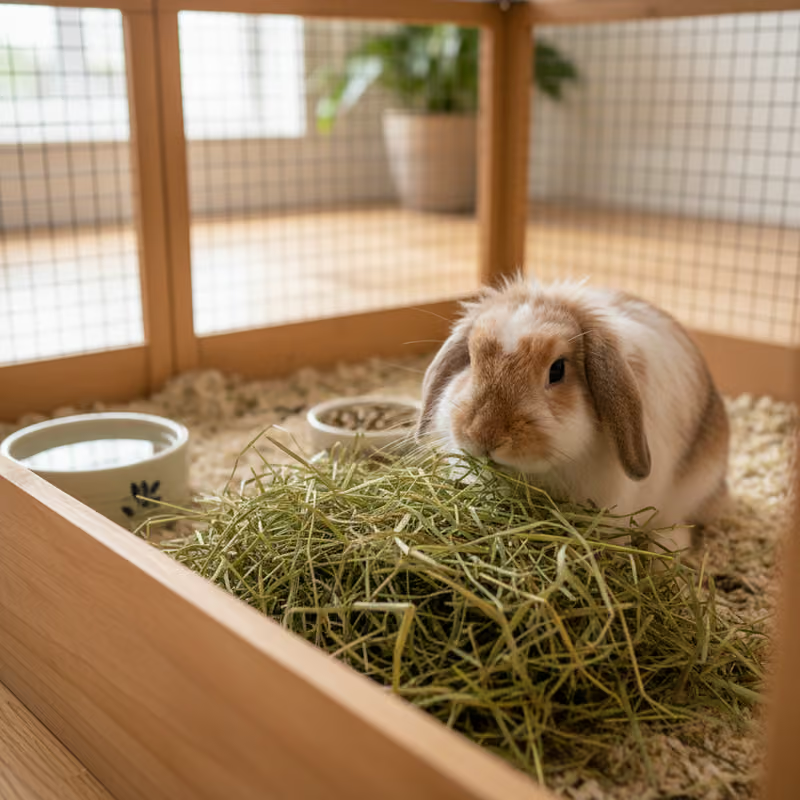
- Hay is paramount: Unlimited access to high-quality, fresh grass hay (such as timothy, orchard grass, or oat hay) should form the cornerstone of a rabbit's diet. Hay provides essential indigestible fiber, which is crucial for gut motility, preventing gastrointestinal stasis, and promoting healthy dental wear. Hay should constitute at least 80% of a rabbit's daily food intake. Alfalfa hay is generally reserved for young, growing, pregnant, or nursing rabbits due to its higher calcium and calorie content.
- Fresh greens: A daily serving of a variety of fresh, leafy green vegetables is vital. These provide vitamins, minerals, and moisture. Examples include romaine lettuce, kale (in moderation), parsley, cilantro, dill, carrot tops, and various dark leafy greens. Introduce new greens slowly and in small amounts to monitor for any digestive upset. Avoid iceberg lettuce, which has little nutritional value and can cause diarrhea.
- Limited pellets: High-quality, plain, timothy-based pellets (not muesli-style mixes) should be offered in limited quantities. Pellets are concentrated sources of nutrition but should not replace hay. Overfeeding pellets can lead to obesity and reduce hay consumption, compromising gut and dental health. The recommended amount typically depends on the rabbit's size and age, but generally ranges from 1/8 to 1/4 cup per 5 lbs of body weight per day.
- Water: Fresh, clean water must always be available, ideally in both a heavy ceramic bowl (preferred for natural drinking posture and ease of cleaning) and a sipper bottle, ensuring the rabbit always has access. Water bowls should be cleaned daily.
- Treats in moderation: Small quantities of rabbit-safe fruits (e.g., apple, banana, berries) or non-leafy vegetables (e.g., carrots, bell peppers) can be offered as occasional treats. These should be given sparingly due to their sugar content. Avoid "yogurt drops" or sugary commercial treats, which offer no nutritional value and can be detrimental.
Dental Growth (AVMA, WOAH/OIE)
Rabbit teeth grow continuously, approximately 2-3 millimeters per week. This continuous growth necessitates constant grinding and wear to prevent overgrowth and malocclusion.
- Hay's role: The fibrous nature of hay requires extensive chewing in a side-to-side motion, which naturally grinds down the molars (back teeth). A diet insufficient in hay is a primary cause of dental disease.
- Incisor and molar health: While incisors are visible, issues with molars are often subtle until severe. Overgrown molars can develop sharp spurs that cut into the cheeks and tongue, causing extreme pain, difficulty eating, and drooling. Overgrown incisors can prevent a rabbit from properly grasping food.
- Genetic predisposition: Some rabbits have a genetic predisposition to malocclusion, where their jaws do not align correctly, preventing proper dental wear regardless of diet. These cases often require regular veterinary intervention.
- Chew toys: Providing safe chew toys made from untreated wood, hay, or other rabbit-safe materials can supplement hay in promoting dental wear and providing enrichment. However, these are not a substitute for hay.
Housing (AVMA, WOAH/OIE)
A rabbit's living environment significantly impacts its physical health, safety, and psychological well-being.
- Spacious enclosure: Rabbits need ample space to move, stretch, stand up fully, and engage in natural behaviors like hopping. A general guideline is an enclosure at least 4-6 times the length of the rabbit when stretched out, and at least 2 times its width. However, rabbits thrive with much larger spaces, ideally a dedicated room or a large pen.
- Secure and safe: The enclosure must be secure to prevent escapes and protect the rabbit from predators (including other household pets). It should be free from hazards such as exposed wires, toxic plants, and small objects that can be ingested. Rabbit-proofing a living space is essential.
- Environmental enrichment: To prevent boredom and promote natural behaviors, provide enrichment items such as tunnels, cardboard boxes for hiding and chewing, digging boxes, and safe toys. Rabbits are intelligent and benefit from mental stimulation.
- Cleanliness: Daily spot cleaning of litter boxes and weekly thorough cleaning of the entire enclosure are crucial. Ammonia buildup from urine can cause respiratory issues, and unsanitary conditions can lead to skin infections (e.g., fly strike), especially around the tail area.
- Temperature: Rabbits are sensitive to extreme temperatures. They are prone to heatstroke in temperatures above approximately 75-80°F (24-27°C) and can suffer from hypothermia in very cold conditions. Their living area should be kept in a temperate range, away from direct sunlight, drafts, and extreme heat sources.
- Litter training: Rabbits can be litter trained. Providing a litter box with hay (as rabbits often eat while eliminating) and rabbit-safe litter (e.g., paper-based, wood pellets not made from pine or cedar) can help maintain cleanliness.
Practical daily habits
Integrating good husbandry practices into daily routines is key to maintaining a rabbit's health.
- Fresh Hay: Ensure unlimited, fresh hay is available at all times. Check and replenish hay racks or piles multiple times a day.
- Water Check: Refresh water bowls and bottles daily, scrubbing bowls to prevent biofilm buildup.
- Greens and Pellets: Offer a fresh serving of diverse leafy greens once or twice a day. Provide the measured portion of high-quality pellets.
- Litter Box Cleaning: Spot clean the litter box daily, removing soiled litter and droppings.
- Observation: Spend time observing your rabbit daily. Look for changes in appetite, drinking habits, stool consistency, energy levels, posture, and any signs of discomfort or pain. This early detection is critical for rabbits, as they often hide signs of illness.
- Grooming: While rabbits are self-groomers, regular brushing, especially for long-haired breeds, helps prevent hairballs (which can cause gastrointestinal blockages) and keeps their coat healthy. Check for matting or skin irritation.
- Nail Trimming: Regularly trim your rabbit's nails, typically every 4-6 weeks, to prevent them from becoming overgrown, which can cause discomfort, lead to injury, and alter their gait.
Common mistakes to avoid
Caregivers, even with good intentions, can sometimes make mistakes that negatively impact their rabbit's health.
- Feeding muesli-style mixes: These mixes allow rabbits to selectively eat sugary, fatty components, leaving behind vital fibrous elements. This leads to imbalanced nutrition, obesity, and dental problems. Always opt for plain, timothy-based pellets.
- Insufficient hay: Not providing enough hay is one of the most detrimental mistakes. Without adequate fiber, rabbits are highly susceptible to gastrointestinal stasis and severe dental issues.
- Overfeeding pellets/treats: Too many pellets or sugary treats displace hay consumption and lead to obesity, which can exacerbate other health problems like pododermatitis (sore hocks) and contribute to metabolic issues.
- Small, wire-bottom cages: Small cages restrict movement, leading to muscle atrophy and behavioral problems. Wire bottoms can cause painful sore hocks (pododermatitis) due to constant pressure and lack of proper cushioning.
- Lack of rabbit-proofing: Allowing rabbits unsupervised access to areas with electrical cords, toxic plants, or small ingestible objects is dangerous. Rabbits explore with their mouths and can suffer severe injury or poisoning.
- Ignoring subtle signs of illness: Rabbits are prey animals and instinctively hide signs of weakness or illness. A decrease in appetite, lethargy, or changes in droppings are serious indicators that require immediate attention. Waiting to see if symptoms improve can be fatal.
- Lack of social interaction/enrichment: Rabbits are social creatures and need interaction. Without proper mental stimulation, they can become bored, stressed, and develop behavioral problems.
- Inappropriate litter or bedding: Using wood shavings from pine or cedar is toxic to rabbits as they release harmful phenols. Clumping cat litter can cause respiratory issues if inhaled and blockages if ingested.
- Rough handling: Rabbits have delicate skeletons and can easily injure themselves or their spines if handled improperly or dropped. Always support their hindquarters.
When to see a professional
Prompt veterinary attention is critical for rabbits, as their health can deteriorate rapidly. Seek immediate veterinary care if you observe any of the following signs:
- Anorexia or reduced appetite: Any significant decrease or cessation of food consumption, especially hay, for more than 12 hours. This is a primary sign of gastrointestinal stasis or other serious illness.
- Absence or reduction of droppings: Lack of fecal output or significantly smaller, fewer, or abnormally shaped droppings. This often accompanies GI stasis.
- Lethargy or hunched posture: A rabbit that is unusually still, unresponsive, or sitting in a hunched position, indicating pain or discomfort.
- Difficulty breathing: Open-mouth breathing, labored breathing, or nasal discharge are emergencies.
- Diarrhea or soft stools: While occasional soft cecotropes (night droppings) are normal, true diarrhea is very serious and can lead to rapid dehydration.
- Drooling or wet chin: Can indicate dental problems causing pain or inability to chew/swallow properly.
- Swelling or lumps: Any unusual swelling, especially around the jaw, face, or abdomen.
- Limping or inability to use a limb: Could indicate injury or pain.
- Eye or nose discharge: Could signify infection or other underlying issues.
- Unusual vocalizations: Grinding teeth (other than quiet purring-like grinding) can indicate pain.
- Changes in urination: Straining to urinate, bloody urine, or increased frequency.
- Loss of balance or head tilt: Can be a sign of ear infection, E. cuniculi, or other neurological issues.
- Fly strike: Presence of maggots, especially around the hindquarters, is a dire emergency requiring immediate veterinary attention.
Regular veterinary check-ups (at least annually) with a rabbit-savvy veterinarian are also highly recommended for preventative care, dental exams, and to discuss any concerns before they become critical.
Frequently asked questions
What should a rabbit's primary diet consist of?
A rabbit's primary diet should consist of unlimited amounts of high-quality, fresh grass hay (such as timothy, orchard grass, or oat hay). This should be supplemented daily with a variety of fresh, leafy green vegetables and a limited amount of plain, timothy-based pellets. Fresh water must always be available.
Why is hay so important for rabbit dental health?
Rabbit teeth grow continuously throughout their lives. Chewing fibrous hay requires extensive grinding and a side-to-side motion of the jaws, which naturally wears down their molars and incisors. Without sufficient hay, teeth can overgrow, leading to sharp spurs, pain, and an inability to eat.
How much space does a rabbit need for its housing?
Rabbits require ample space to move, stretch, stand up, and hop. A general guideline is an enclosure at least 4-6 times the length of the rabbit when stretched out, and 2 times its width. However, larger spaces, such as a dedicated room or a large exercise pen, are always preferred to promote physical and mental well-being.
What are common signs that a rabbit might be ill?
Rabbits are prey animals and often hide signs of illness. Common signs to watch for include a decrease or cessation of appetite (especially for hay), absence or reduction of droppings, lethargy, a hunched posture, drooling, difficulty breathing, or any unusual changes in behavior or appearance. Prompt veterinary attention is crucial if these signs are observed.
Are all types of rabbit treats safe?
No, not all commercial "rabbit treats" are safe or beneficial. Many contain high levels of sugar, fat, and artificial ingredients, such as "yogurt drops" or seed-based sticks. Small amounts of rabbit-safe fruits or non-leafy vegetables can be given as occasional treats, but their intake should be strictly limited. Hay-based treats are generally a better option.
Key takeaways
- Diet is foundational: Unlimited grass hay is critical for digestion and dental wear. Supplement with fresh greens and limited pellets.
- Dental health is continuous: Rabbit teeth grow constantly, requiring fibrous foods (primarily hay) to wear them down and prevent painful overgrowth.
- Housing impacts overall well-being: Provide a spacious, safe, clean, and stimulating environment to support physical and mental health.
- Observe daily: Rabbits hide illness well; daily observation for changes in appetite, droppings, or behavior is vital for early detection.
- Act swiftly with veterinary care: Any significant change in health requires immediate consultation with a rabbit-savvy veterinarian. Preventative care and regular check-ups are essential.
Related reading
Keep exploring this topic with our related, evidence-reviewed guides:
- Dog Dental Care: Preventing Periodontal Disease at Home — A practical, evidence-informed guide to dog dental care — what matters, what works, common mistakes, and when to consult a profess…
- Cat Dental Disease: Signs, Prevention, and Professional Cleaning — A practical, evidence-informed guide to cat dental disease — what matters, what works, common mistakes, and when to consult a prof…
- Pet Bird Health: Cage Setup, Diet, and Respiratory Warning Signs — A practical, evidence-informed guide to pet bird health — what matters, what works, common mistakes, and when to consult a profess…
- Horse Health Essentials: Hooves, Teeth, Colic, and Conditioning — A practical, evidence-informed guide to horse health — what matters, what works, common mistakes, and when to consult a profession…
- Senior Dog Care: Arthritis, Cognition, and Comfort at Home — A practical, evidence-informed guide to senior dog care — what matters, what works, common mistakes, and when to consult a profess…
- Guinea Pig and Hamster Care: Common Health Problems to Watch — A practical, evidence-informed guide to guinea pig health — what matters, what works, common mistakes, and when to consult a profe…
Sources
- American Veterinary Medical Association (AVMA)
- World Health Organization (WHO) - referenced for general animal welfare principles
- National Institutes of Health (NIH) - referenced for general animal care guidance
- Mayo Clinic - referenced for general animal care guidance
- Cochrane Library - referenced for general evidence-informed principles
- Food and Agriculture Organization of the United Nations (FAO)
- World Organisation for Animal Health (WOAH, formerly OIE)
Sources
Evidence & citations
- Every claim in this animal health guide is backed by primary data — browse the zoonotic and one-health statistics in our sourced statistics library.
- Writing about this topic? Researchers, journalists and educators can cite our animal health guidance with ready-made APA, MLA and Chicago references.
My notes on this one
The short version of 11 minutes of reading — what stuck with me while writing “Rabbit Health Care: Diet, Dental Growth, and Housing”, what the sources back up, and what I'd actually do about it.
What I'd take away
01 · Why this matters
Educating caregivers on these critical aspects of rabbit health empowers them to provide the best possible care, fostering a strong bond and ensuring the rabbit’s quality of life.
02 · Diet
A rabbit's diet is foundational to its overall health, primarily because of its specialized digestive system.
03 · Dental Growth
Hay's role: The fibrous nature of hay requires extensive chewing in a side-to-side motion, which naturally grinds down the molars (back teeth). A diet insufficient in hay is a primary cause of dental disease.
04 · Housing
Litter training: Rabbits can be litter trained. Providing a litter box with hay (as rabbits often eat while eliminating) and rabbit-safe litter (e.g., paper-based…
05 · Practical daily habits
Nail Trimming: Regularly trim your rabbit's nails, typically every 4-6 weeks, to prevent them from becoming overgrown, which can cause discomfort, lead to injury, and alter their gait.
What the sources I read actually say
Stress, boredom, or an unclean environment can compromise their immune system, leading to behavioral issues or making them more susceptible to disease.
Centers for Disease Control and Prevention
If you only do one thing this week
- Nail Trimming — Regularly trim your rabbit's nails, typically every 4-6 weeks, to prevent them from becoming overgrown, which can cause discomfort, lead to injury…
- A general guideline is an enclosure at least 4-6 times the length of the rabbit when stretched out, and 2 times its width.
Pick the one that fits your week. None of this replaces advice from a clinician who can actually examine you.
Questions I kept coming back to
What should a rabbit's primary diet consist of?+
A rabbit's primary diet should consist of unlimited amounts of high-quality, fresh grass hay (such as timothy, orchard grass, or oat hay). This should be supplemented daily with a variety of fresh, leafy green vegetables and a limited amount of plain, timothy-based pellets. Fresh water must always be available.
Why is hay so important for rabbit dental health?+
Rabbit teeth grow continuously throughout their lives. Chewing fibrous hay requires extensive grinding and a side-to-side motion of the jaws, which naturally wears down their molars and incisors. Without sufficient hay, teeth can overgrow, leading to sharp spurs, pain, and an inability to eat.
How much space does a rabbit need for its housing?+
Rabbits require ample space to move, stretch, stand up, and hop. A general guideline is an enclosure at least 4-6 times the length of the rabbit when stretched out, and 2 times its width. However, larger spaces, such as a dedicated room or a large exercise pen, are always preferred to promote physical and mental well-being.
What are common signs that a rabbit might be ill?+
Rabbits are prey animals and often hide signs of illness. Common signs to watch for include a decrease or cessation of appetite (especially for hay), absence or reduction of droppings, lethargy, a hunched posture, drooling, difficulty breathing, or any unusual changes in behavior or appearance. Prompt veterinary attention is crucial if these signs are observed.
Are all types of rabbit treats safe?+
No, not all commercial "rabbit treats" are safe or beneficial. Many contain high levels of sugar, fat, and artificial ingredients, such as "yogurt drops" or seed-based sticks. Small amounts of rabbit-safe fruits or non-leafy vegetables can be given as occasional treats, but their intake should be strictly limited. Hay-based treats are generally a better option.
Was this article helpful?
Be the first to rate this article.
Written by
FaizRuh
I write Health Hub Pro on my own — no clinical licence, no anonymous review panel. Just the published guidance, read carefully and explained plainly.
More about me →How this page was checked
Every claim above is checked against the sources listed at the bottom of this article — WHO, CDC, NIH, NHS, Cochrane and major clinical guidelines. Drafting is AI-assisted; the editing, fact-checking and final wording are mine. It's information, not medical advice. Spotted an error? Tell me and I'll fix it.
Last checked on