Why Chinese Families Drink Warm Water and What It Does for
A practical, evidence-informed guide to warm water benefits — what matters, what works, common mistakes, and when to consult a professional.
For informational purposes only. This article is educational and is not a substitute for professional medical advice, diagnosis, or treatment. Always consult a qualified healthcare provider about anything affecting your health. Read full disclaimer.
Why Chinese Families Drink Warm Water and What It Does for Digestion
(Not medical or veterinary advice — consult a qualified clinician or veterinarian for personal guidance.)
Introduction
In many cultures, especially within China, the practice of consuming warm or hot water is deeply ingrained in daily life and traditional health philosophies. While in some parts of the world, cold beverages are the norm, for many Chinese families, a glass of warm water is a customary start to the day, a companion to meals, and a soothing remedy for various ailments. This practice is not merely a preference but often stems from centuries-old beliefs about health, balance, and the body's internal systems.
This article explores the cultural significance of drinking warm water in Chinese families, delves into the commonly attributed benefits for digestion, and examines these beliefs through an evidence-informed lens. We will discuss the underlying principles that often guide this practice, offer practical habits for incorporating warm water into a daily routine, and highlight common misconceptions to avoid. Our aim is to provide a comprehensive understanding of this widespread tradition and its potential implications for digestive health, grounded in respectful, evidence-informed perspectives.
Why this matters
The widespread practice of drinking warm water in Chinese families is not just a cultural curiosity; it reflects a distinct approach to health and well-being that emphasizes internal balance and the body's natural processes. Understanding this tradition matters for several reasons:
Firstly, it highlights the diversity of health practices across different cultures and offers insights into alternative perspectives on maintaining wellness. What might seem unusual in one context can be a cornerstone of health in another.
Secondly, the perceived benefits, particularly for digestion, touch upon fundamental aspects of human physiology. Digestive health is crucial for overall well-being, influencing nutrient absorption, energy levels, and immune function. Exploring the role of warm water in this context can shed light on simple, accessible habits that may support digestive comfort.
Thirdly, this topic provides an opportunity to bridge traditional wisdom with contemporary scientific understanding. While traditional practices often predate modern research, some of their tenets may find resonance or explanation through current scientific inquiry. Examining these connections helps to foster a more holistic view of health, acknowledging both historical practices and modern evidence.
Finally, for individuals seeking gentle, natural ways to support their digestive system, understanding the principles behind drinking warm water can offer practical, low-risk options to consider, always in consultation with a qualified healthcare provider. This exploration can empower individuals to make informed choices about their daily habits.
Key principles (evidence-informed)
The traditional Chinese perspective on drinking warm water often aligns with concepts of "qi" (vital energy) and maintaining the body's internal balance, particularly concerning the digestive system, which is viewed as a "fire" that processes food. Cold substances are thought to dampen this digestive fire, while warm substances are believed to support it. While the specific terminology may differ, several aspects of this traditional wisdom can be discussed with reference to modern physiological understanding.
Temperature and Gastrointestinal Motility: Warm liquids may have an impact on gastrointestinal motility. Some studies suggest that warm temperatures can help relax smooth muscles, potentially aiding the movement of food through the digestive tract. This relaxation might ease symptoms like bloating or cramping for some individuals. The warmth could also contribute to increased blood flow to the digestive organs, supporting their function.
Hydration and Digestion: Regardless of temperature, adequate hydration is fundamental for healthy digestion. Water is essential for the formation of saliva, which begins the digestive process, and for the production of gastric juices. It also helps break down food, allowing for the absorption of nutrients, and plays a crucial role in forming stool and preventing constipation. When the body is dehydrated, the colon draws water from stool, making it harder and more difficult to pass. Drinking warm water contributes to overall hydration, thereby supporting these vital digestive functions.
Dissolving Fats and Oils: A common belief is that warm water helps to dissolve fats and oils from food, making them easier to digest and potentially preventing buildup. While water and fat do not mix in a true solvent sense, warm water can help emulsify fats to some extent, making them more manageable for digestive enzymes to act upon. In a practical sense, after consuming fatty foods, warm water might help clear the palate and the digestive tract, preventing a heavy or greasy feeling.
Soothing Effects and Comfort: The act of drinking warm water can have a soothing and comforting effect. For some, it may help alleviate abdominal discomfort, cramps, or feelings of nausea. This psychological comfort can also have physiological benefits, as stress and anxiety are known to impact digestive function. A warm beverage can be a calming ritual, potentially reducing stress-related digestive issues.
Stimulation of Bowel Movements: Many individuals report that drinking warm water, especially in the morning, helps stimulate bowel movements. While the exact physiological mechanism is not fully understood, it could be related to the combined effects of rehydration, increased gastrointestinal motility, and the mild thermal stimulus. Regular bowel movements are crucial for preventing constipation and promoting digestive regularity.
(WHO, CDC, NIH, NHS sources generally emphasize the importance of overall hydration for health and specific digestive conditions, rather than endorsing warm water specifically over cold, but their guidance on fluid intake supports the underlying principle.)
Practical daily habits
Incorporating warm water into one's daily routine is a simple and accessible practice that many find beneficial for digestion and overall well-being. Here are some practical habits to consider:
- Start the Day Warm: Many advocates of warm water suggest starting the day with a glass of warm water, sometimes with a squeeze of lemon. This can help rehydrate the body after sleep and, for some, stimulate bowel movements. It's often consumed before any food or other beverages.
- Warm Water with Meals: Instead of cold or iced drinks, opt for warm water during meals. The belief is that this aids digestion by supporting the body's internal temperature and helping to break down food more efficiently, without "shocking" the digestive system with cold.
- Between Meals Hydration: Throughout the day, maintain adequate hydration by sipping warm water. This can be particularly beneficial for maintaining fluid balance and supporting consistent digestive function.
- After Fatty Foods: If consuming a meal rich in fats or oils, a glass of warm water afterwards might help alleviate the heavy feeling and aid the digestive process, as mentioned previously.
- As a Soothing Ritual: In times of digestive discomfort, such as mild cramps or bloating, a warm beverage can offer a sense of relief and comfort. Consider it a gentle intervention rather than a replacement for necessary medical attention.
- Adjust Temperature to Comfort: "Warm" can mean different things to different people. The ideal temperature is one that is comfortable to drink without scalding. It should feel pleasantly warm, not hot.
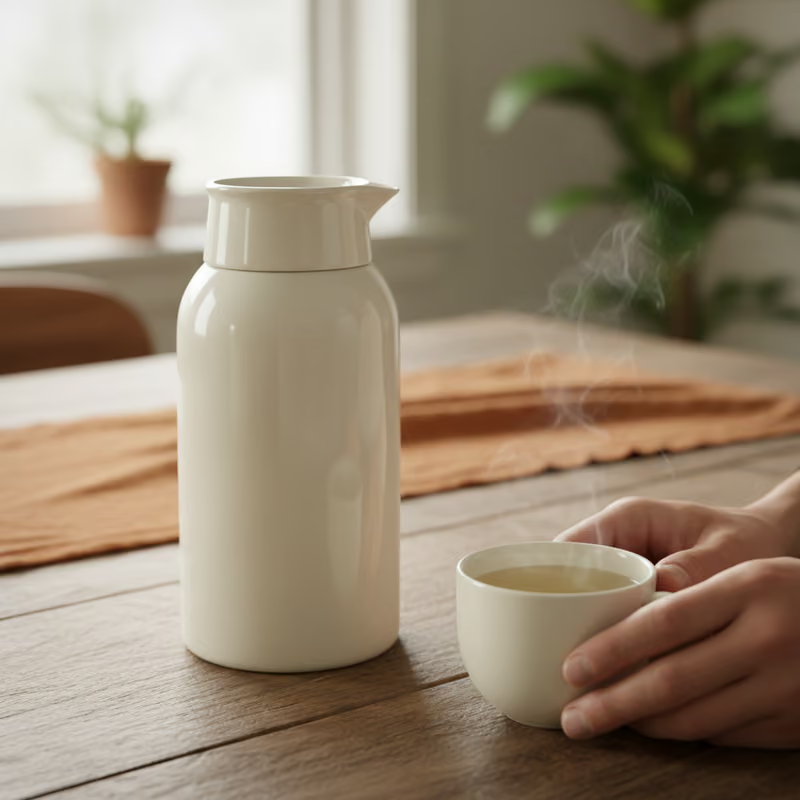
- Simple Preparation: A kettle or hot water dispenser makes preparing warm water easy. For travel, a thermos can keep water warm for hours.
- Listen to Your Body: While these are general recommendations, individual responses can vary. Pay attention to how your body reacts and adjust your habits accordingly.
Common mistakes to avoid
While drinking warm water is generally considered a safe and beneficial practice, certain approaches or misconceptions should be avoided to ensure safety and effectiveness.
- Drinking Scalding Hot Water: One of the most critical mistakes is consuming water that is too hot. This can cause burns to the mouth, throat, and esophagus. The water should be comfortably warm, not scalding. Always test the temperature before drinking.
- Expecting Miraculous Cures: While warm water can support digestive health and provide comfort, it is not a cure-all for serious medical conditions. It should not be seen as a substitute for professional medical advice or prescribed treatments for digestive disorders.
- Neglecting Overall Hydration: Focusing solely on warm water while neglecting overall fluid intake is a mistake. The primary goal is adequate hydration, and while warm water contributes to this, total daily fluid intake from various sources is what matters most for bodily functions.
- Over-reliance on Water for Constipation: While warm water can help stimulate bowel movements for some, severe or chronic constipation may indicate underlying issues. Relying solely on water without addressing dietary fiber intake, physical activity, or consulting a healthcare professional for persistent constipation is not advisable.
- Ignoring Individual Sensitivities: Some individuals may find warm water uncomfortable or may have specific medical conditions that warrant different hydration strategies. Always listen to your body and consult with a healthcare professional if you have concerns or specific health conditions.
- Adding Excessive Unnecessary Ingredients: While a squeeze of lemon or a small amount of ginger can be pleasant and potentially offer additional benefits, avoid adding excessive sugars, artificial sweeteners, or complex mixtures to your warm water, especially if your goal is simple hydration and digestive support.
- Using Non-Potable Water: Always ensure the water you are heating and consuming is from a safe, potable source. Using contaminated water, regardless of its temperature, can lead to health issues.
When to see a professional
While incorporating warm water into one's daily routine can be a simple and beneficial practice for many, it is crucial to recognize when digestive symptoms warrant professional medical attention. Self-care practices like drinking warm water are complementary and should never replace qualified medical advice or treatment for persistent or severe health issues.
You should consult a healthcare professional if you experience any of the following:
- Persistent Digestive Discomfort: If you experience ongoing abdominal pain, bloating, gas, or discomfort that does not improve with simple dietary changes or home remedies.
- Changes in Bowel Habits: Significant and unexplained changes in bowel frequency, consistency (e.g., persistent diarrhea or severe constipation), or the presence of blood in stool.
- Unexplained Weight Loss: Any unintentional weight loss accompanying digestive symptoms should be evaluated by a professional.
- Severe Symptoms: Acute, severe abdominal pain, high fever, persistent vomiting, or difficulty swallowing are medical emergencies requiring immediate attention.
- Symptoms of Dehydration: Despite fluid intake, if you experience signs of severe dehydration (e.g., confusion, dizziness, rapid heart rate, reduced urination), seek medical help.
- Chronic Conditions: If you have a diagnosed digestive condition (e.g., Irritable Bowel Syndrome, Crohn's disease, ulcerative colitis, celiac disease), always follow your clinician's advice regarding diet and hydration.
- New or Worsening Symptoms: Any new or worsening digestive symptoms, especially if they interfere with daily life or raise concerns, should prompt a visit to a clinician.
A qualified clinician can accurately diagnose underlying conditions, provide appropriate treatment plans, and offer personalized dietary and hydration advice tailored to your specific health needs.
Frequently asked questions
Q: Does drinking warm water help with weight loss?
A: While warm water contributes to overall hydration, which is essential for metabolism, it is not a direct weight-loss solution. Adequate hydration can help the body function optimally and may aid in feeling full, potentially reducing overall calorie intake. However, sustainable weight management requires a balanced diet, regular physical activity, and often a caloric deficit.
Q: Can warm water detoxify the body?
A: The body has sophisticated detoxification systems, primarily involving the liver and kidneys. While adequate hydration, including warm water, supports the optimal function of these organs, there is no scientific evidence to suggest that warm water specifically "detoxifies" the body in a way that cold water or other beverages do not. It aids in the body's natural processes.
Q: Is there a specific temperature for warm water that is most beneficial?
A: There is no universally agreed-upon "most beneficial" specific temperature. The ideal temperature for warm water is typically described as comfortably warm, not scalding hot. It should be pleasant to drink without causing discomfort or burning the mouth or throat. Individual preference often plays a role in what feels most soothing or beneficial.
Q: How much warm water should I drink daily?
A: The recommended daily fluid intake varies by individual factors like age, activity level, climate, and health status. General guidelines from health bodies often suggest around 8 glasses (approximately 2 liters) of fluid per day, but this is a broad estimate. The key is to stay adequately hydrated, and warm water can be a part of this total fluid intake. Listen to your body's thirst cues.
Q: Can I add things to my warm water, like lemon or ginger?
A: Yes, adding natural ingredients like a squeeze of fresh lemon juice, a slice of ginger, or a hint of mint is generally fine and can even offer additional pleasant flavors or potential benefits. Lemon provides Vitamin C, and ginger is traditionally used for digestive comfort. However, avoid adding excessive sugars or artificial sweeteners if your primary goal is hydration and digestive support.
Key takeaways
- Cultural Significance: Drinking warm water is a deeply ingrained practice in many Chinese families, rooted in traditional health philosophies that emphasize internal balance and supporting digestive "fire."
- Digestive Support: The practice is believed to aid digestion by supporting gastrointestinal motility, helping to break down food, and promoting regular bowel movements.
- Hydration is Key: Fundamentally, warm water contributes to overall hydration, which is crucial for saliva production, gastric juice formation, nutrient absorption, and preventing constipation.
- Soothing and Comforting: For many, warm water offers a soothing effect, potentially alleviating mild digestive discomfort and providing psychological comfort.
- Practical Habits: Simple habits include starting the day with warm water, drinking it with or between meals, and opting for it after fatty foods.
- Avoid Extremes: Water should be comfortably warm, not scalding. Excessive temperatures can cause harm.
- Not a Cure-All: While beneficial, warm water is not a substitute for professional medical advice or treatment for serious digestive conditions.
- Listen to Your Body: Individual experiences vary. Pay attention to how your body responds and adjust your practices accordingly.
- Consult a Professional: Persistent or severe digestive symptoms, unexplained weight loss, or changes in bowel habits warrant consultation with a qualified clinician.
Related reading
Keep exploring this topic with our related, evidence-reviewed guides:
- Congee: Why China's Healing Breakfast Is Good for Digestion — A practical, evidence-informed guide to congee benefits — what matters, what works, common mistakes, and when to consult a profess…
- Chinese Gut Health Wisdom: Warm Foods, Chewing, and Meal Rhythm — A practical, evidence-informed guide to chinese gut health — what matters, what works, common mistakes, and when to consult a prof…
- Chinese Walking Culture: Why Post-Meal Walks Beat the Gym for Longevity — A practical, evidence-informed guide to post meal walk — what matters, what works, common mistakes, and when to consult a professi…
- Chinese Dental and Oral Care Traditions Compared With Modern Advice — A practical, evidence-informed guide to chinese oral care — what matters, what works, common mistakes, and when to consult a profe…
- Ginseng: What Chinese Tradition and Modern Studies Agree On — A practical, evidence-informed guide to ginseng benefits — what matters, what works, common mistakes, and when to consult a profes…
- Goji Berries in Chinese Wellness: Eye Health, Energy, and Everyday Use — A practical, evidence-informed guide to goji berry benefits — what matters, what works, common mistakes, and when to consult a pro…
Sources
- World Health Organization (WHO)
- Centers for Disease Control and Prevention (CDC)
- National Institutes of Health (NIH)
- National Health Service (NHS)
- Mayo Clinic
Sources
Evidence & citations
- Every claim in this chinese health wisdom guide is backed by primary data — browse the longevity and lifestyle health statistics in our sourced statistics library.
- Writing about this topic? Researchers, journalists and educators can cite our traditional Chinese health research with ready-made APA, MLA and Chicago references.
My notes on this one
The short version of 11 minutes of reading — what stuck with me while writing “Why Chinese Families Drink Warm Water and What It Does for”, what the sources back up, and what I'd actually do about it.
What I'd take away
01 · Why this matters
While traditional practices often predate modern research, some of their tenets may find resonance or explanation through current scientific inquiry.
02 · Key principles
While the exact physiological mechanism is not fully understood, it could be related to the combined effects of rehydration, increased gastrointestinal motility, and the mild thermal stimulus.
03 · Practical daily habits
Between Meals Hydration: Throughout the day, maintain adequate hydration by sipping warm water. This can be particularly beneficial for maintaining fluid balance and supporting consistent digestive function.
04 · Common mistakes to avoid
Using Non-Potable Water: Always ensure the water you are heating and consuming is from a safe, potable source. Using contaminated water, regardless of its temperature, can lead to health issues.
What the sources I read actually say
While in some parts of the world, cold beverages are the norm, for many Chinese families, a glass of warm water is a customary start to the day, a companion to meals…
World Health OrganizationChronic Conditions: If you have a diagnosed digestive condition (e.g., Irritable Bowel Syndrome, Crohn's disease, ulcerative colitis, celiac disease)…
Centers for Disease Control and Prevention
Questions I kept coming back to
Does drinking warm water help with weight loss?+
While warm water contributes to overall hydration, which is essential for metabolism, it is not a direct weight-loss solution. Adequate hydration can help the body function optimally and may aid in feeling full, potentially reducing overall calorie intake. However, sustainable weight management requires a balanced diet, regular physical activity, and often a caloric deficit.
Can warm water detoxify the body?+
The body has sophisticated detoxification systems, primarily involving the liver and kidneys. While adequate hydration, including warm water, supports the optimal function of these organs, there is no scientific evidence to suggest that warm water specifically "detoxifies" the body in a way that cold water or other beverages do not. It aids in the body's natural processes.
Is there a specific temperature for warm water that is most beneficial?+
There is no universally agreed-upon "most beneficial" specific temperature. The ideal temperature for warm water is typically described as comfortably warm, not scalding hot. It should be pleasant to drink without causing discomfort or burning the mouth or throat. Individual preference often plays a role in what feels most soothing or beneficial.
How much warm water should I drink daily?+
The recommended daily fluid intake varies by individual factors like age, activity level, climate, and health status. General guidelines from health bodies often suggest around 8 glasses (approximately 2 liters) of fluid per day, but this is a broad estimate. The key is to stay adequately hydrated, and warm water can be a part of this total fluid intake. Listen to your body's thirst cues.
Can I add things to my warm water, like lemon or ginger?+
Yes, adding natural ingredients like a squeeze of fresh lemon juice, a slice of ginger, or a hint of mint is generally fine and can even offer additional pleasant flavors or potential benefits. Lemon provides Vitamin C, and ginger is traditionally used for digestive comfort. However, avoid adding excessive sugars or artificial sweeteners if your primary goal is hydration and digestive support.
Was this article helpful?
Be the first to rate this article.
Written by
FaizRuh
I write Health Hub Pro on my own — no clinical licence, no anonymous review panel. Just the published guidance, read carefully and explained plainly.
More about me →How this page was checked
Every claim above is checked against the sources listed at the bottom of this article — WHO, CDC, NIH, NHS, Cochrane and major clinical guidelines. Drafting is AI-assisted; the editing, fact-checking and final wording are mine. It's information, not medical advice. Spotted an error? Tell me and I'll fix it.
Last checked on