The Healing Power of Black Seed (Habbatus Sauda) in Islamic
Discover the ancient wisdom of Black Seed in Islamic tradition, beautifully intertwined with modern science for holistic well-being.
For informational purposes only. This article is educational and is not a substitute for professional medical advice, diagnosis, or treatment. Always consult a qualified healthcare provider about anything affecting your health. Read full disclaimer.
The Healing Power of Black Seed (Habbatus Sauda) in Islamic Tradition
Introduction
What the evidence says
Research has indicated Black Seed's potential in several key areas:
Immune System Support
Anti-inflammatory Properties
Antioxidant Powerhouse
Digestive Health
Metabolic Regulation
Respiratory Health
Skin and Hair Health
Symptoms and Warning Signs (Key Considerations)
Potential Side Effects:
- Digestive Upset: Some individuals may experience mild gastrointestinal upset, such as nausea, indigestion, or bloating, especially when taking large doses or on an empty stomach.
- Allergic Reactions: Though rare, allergic reactions can occur, manifesting as skin rashes, itching, or, in severe cases, difficulty breathing.
- Lowered Blood Pressure: Black Seed can have a hypotensive effect. Individuals with naturally low blood pressure or those taking blood pressure medications should monitor their blood pressure closely.
- Lowered Blood Sugar: Given its potential to lower blood glucose, individuals with diabetes, particularly those on medication, should monitor their blood sugar levels carefully to avoid hypoglycemia.
Drug Interactions:
- Anticoagulants (Blood Thinners): Black Seed may slow blood clotting. Combining it with anticoagulant medications (e.g., warfarin, aspirin) could increase the risk of bleeding.
- Antidiabetic Medications: As it can lower blood sugar, using Black Seed alongside antidiabetic drugs might lead to an excessive drop in blood glucose.
- Blood Pressure Medications: Its blood pressure-lowering effect could amplify the effects of antihypertensive drugs, leading to dangerously low blood pressure.
- Immunosuppressants: Due to its immunomodulatory effects, Black Seed might interfere with the action of immunosuppressant drugs.
- Cytochrome P450 Substrates: Black Seed may affect the activity of certain liver enzymes (CYP450) responsible for metabolizing many medications, potentially altering their effectiveness or increasing side effects.
Specific Populations:
- Pregnancy and Breastfeeding: There is insufficient reliable information about the safety of Black Seed in medicinal amounts during pregnancy and breastfeeding. It is generally advised to avoid its use in these periods, beyond culinary amounts.
- Surgery: Due to its potential effect on blood clotting and blood sugar, it is generally recommended to discontinue Black Seed at least two weeks before any scheduled surgery.
Quality and Purity: The quality of Black Seed products, especially oils and supplements, can vary significantly. Contamination with pesticides, heavy metals, or adulteration with other oils can pose health risks. Always choose reputable brands that provide third-party testing for purity and potency.
These considerations highlight the importance of informed use and consultation with a healthcare professional, especially for individuals with underlying health conditions or those on medication.
When to see a clinician
- Before starting Black Seed for a pre-existing medical condition: If you have a chronic illness such as diabetes, hypertension, an autoimmune disorder, or a cardiovascular condition, speak to your doctor before incorporating Black Seed into your routine. This is essential to ensure it won't interact negatively with your current medications or health status.
- If you are taking prescription medications: As outlined, Black Seed can interact with blood thinners, blood pressure medications, antidiabetic drugs, and immunosuppressants. A clinician can assess potential interactions and advise on safe usage or necessary adjustments to your medication regimen.
- If you experience adverse reactions: Should you develop any unusual symptoms after consuming Black Seed, such as severe digestive upset, allergic reactions (rash, swelling, difficulty breathing), dizziness, or an unexpected drop in blood sugar or blood pressure, discontinue use and seek medical attention immediately.
- During pregnancy or breastfeeding: Due to limited research on its safety in medicinal quantities, pregnant or breastfeeding individuals should always consult their doctor before using Black Seed products.
- Before any surgical procedure: Due to its potential effects on blood clotting and blood sugar, inform your surgeon and physician about Black Seed use well in advance of any planned surgery. They may advise you to stop its use for a specific period before the operation.
- If your symptoms worsen or do not improve: If you are using Black Seed to manage specific symptoms and notice that your condition is not improving or is deteriorating, it is vital to consult a clinician for a proper diagnosis and treatment plan.
- For diagnostic purposes: Never rely on Black Seed to self-diagnose or delay seeking professional medical advice for symptoms that could indicate a serious underlying condition. A healthcare professional can provide an accurate diagnosis and appropriate medical guidance.
- For children and infants: Black Seed should not be given to infants or young children in medicinal quantities without strict medical supervision.
Remember, Black Seed is a natural supplement that can support general health and well-being, but it is not a replacement for professional medical diagnosis, treatment, or advice. Always prioritize consulting with a qualified healthcare provider for any health concerns.
Treatment and management options
Forms of Black Seed for Consumption:
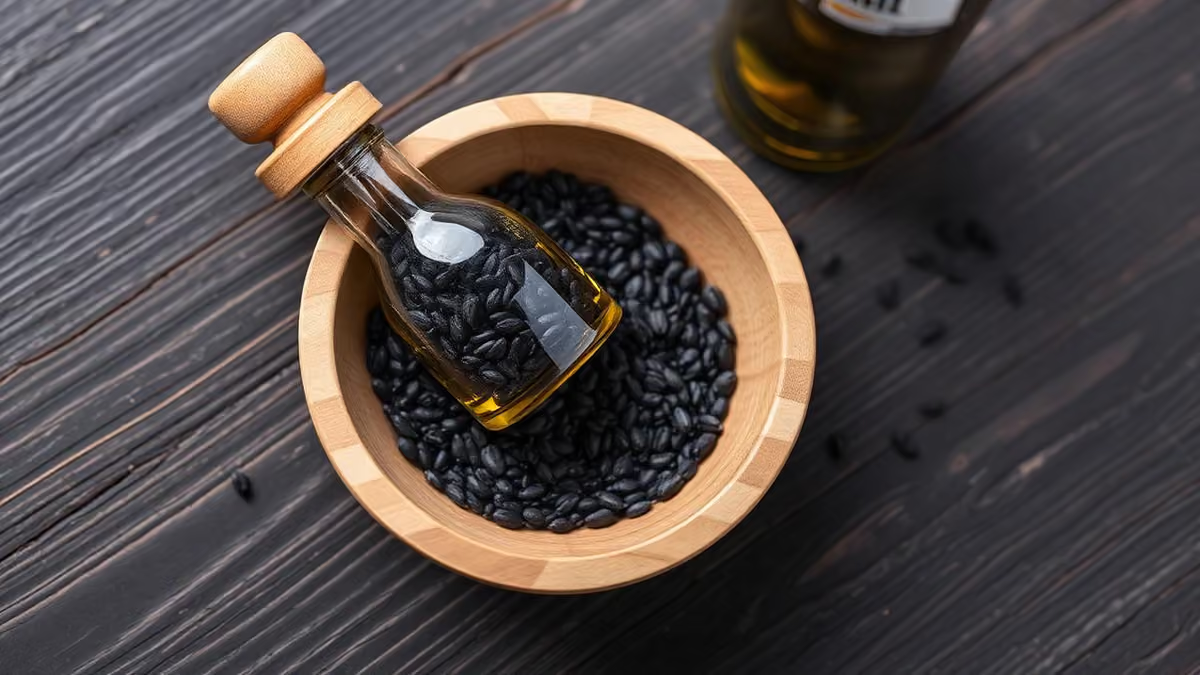
- Whole Seeds: The raw seeds can be lightly toasted and ground just before use. They can be sprinkled over salads, mixed into bread dough, incorporated into smoothies, added to yogurts, or used as a spice in cooking. The recommended daily intake for general well-being might range from half to one teaspoon of whole seeds.
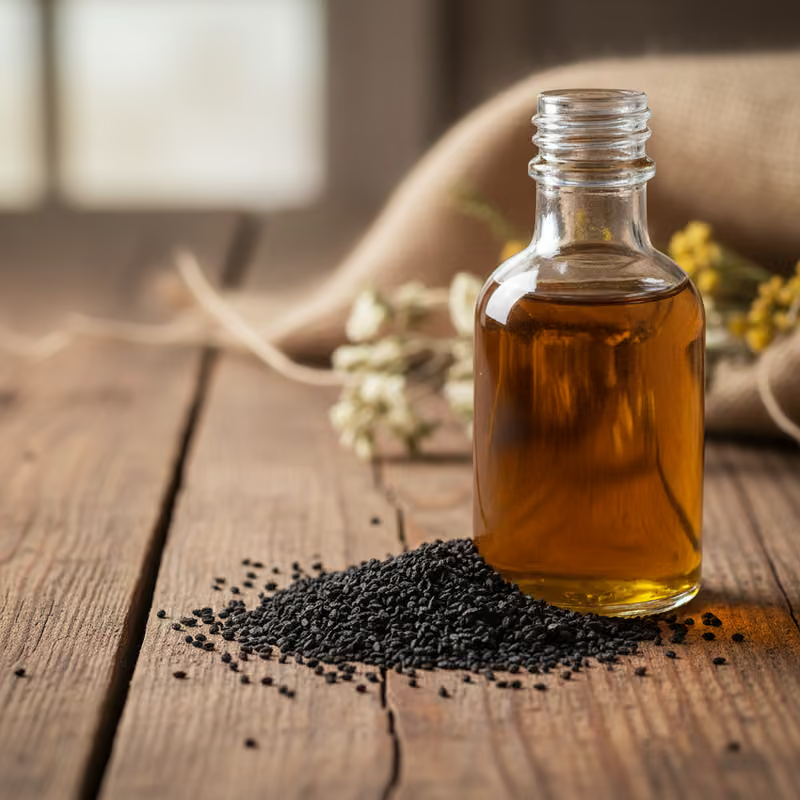
- Black Seed Oil: This is perhaps the most common and potent form. Cold-pressed virgin Black Seed oil is preferred as it retains the maximum therapeutic compounds, particularly thymoquinone.
- Oral Consumption: It can be taken directly, typically 1 teaspoon, once or twice daily. Some prefer to mix it with honey, water, or juice to mask its strong, pungent taste.
- Topical Application: The oil can be applied directly to the skin for conditions like eczema, acne, or joint pain. It can also be massaged into the scalp for hair health.
- Black Seed Capsules/Supplements: For convenience and precise dosing, capsules containing powdered Black Seed or Black Seed oil extract are widely available. Dosages vary by brand and concentration, so it's crucial to follow the manufacturer's instructions or a healthcare professional's advice. Typical doses might range from 500 mg to 1000 mg, once or twice daily.
- Tea/Infusion: Crushed Black Seeds can be steeped in hot water to make a warm beverage, often combined with other herbs like ginger or honey for flavor and additional benefits.
General Guidelines for Use:
- Start Low, Go Slow: Begin with a small dose to assess tolerance and gradually increase to the recommended amount.
- Consistency is Key: Like many natural remedies, the benefits of Black Seed are often observed with consistent, long-term use.
- Quality Matters: Always source Black Seed and its oil from reputable suppliers to ensure purity, potency, and freedom from contaminants. Look for organic, cold-pressed virgin oil.
- Storage: Black Seed oil should be stored in a cool, dark place, preferably in an opaque bottle, to protect it from light and heat.
- Not a Replacement for Medication: Black Seed should not replace prescribed medications without consulting a clinician.
Mechanism of Action (Simplified):
By interacting with these fundamental biological processes, Black Seed helps the body maintain homeostasis and supports its natural capacity for healing and prevention.
Prevention and daily habits
Incorporating Black Seed for Prevention:
- Daily Oral Intake: A common preventative practice is to consume a small amount of Black Seed oil (e.g., 1 teaspoon) or a pinch of ground seeds daily, often in the morning. This consistent intake is believed to support the immune system, reduce chronic inflammation, and provide antioxidant protection.
- Culinary Integration: Sprinkling whole or ground seeds on bread, salads, yogurt, or adding them to stews and soups not only enhances flavor but also provides a steady, gentle dose of its beneficial compounds.
- Topical Application: Regular massage with Black Seed oil can be a preventative measure for skin and hair issues, improving skin barrier function and scalp health.
Complementary Daily Habits (in alignment with Islamic principles):
- Balanced Nutrition: The Quran and Sunnah advocate for wholesome, pure (halal, tayyib) foods and moderation. A diet rich in fruits, vegetables, whole grains, lean proteins, and healthy fats, while limiting processed foods, sugar, and unhealthy fats, forms the cornerstone of preventative health.
- Regular Physical Activity: The Prophet Muhammad ﷺ encouraged physical fitness through activities like walking, riding, swimming, and archery. Regular exercise boosts immunity, maintains a healthy weight, improves cardiovascular health, and enhances mood.
- Adequate Sleep: Islamic tradition emphasizes the importance of rest and sleep as a blessing. Establishing a consistent sleep schedule and ensuring 7-9 hours of quality sleep per night is crucial for immune function, cognitive health, and hormonal balance.
- Stress Management and Spiritual Well-being: Mental and spiritual health are inextricably linked to physical health in Islam. Practices such as regular prayer (Salat), remembrance of Allah (Dhikr), recitation of the Quran, and maintaining gratitude can significantly reduce stress and promote inner peace.
- Hygiene and Cleanliness (Taharah): Islam places immense importance on cleanliness. Regular ablution (Wudu), bathing, and maintaining a clean environment are preventative measures against infections and contribute to overall well-being.
- Avoidance of Harmful Substances: Islamic teachings strictly prohibit alcohol and intoxicants. Avoiding smoking and excessive consumption of caffeine also contributes to long-term health.
By combining the natural benefits of Black Seed with these holistic daily habits, individuals can build a strong foundation for preventative health, aligning with the comprehensive well-being model advocated in Islamic tradition.
Frequently asked questions
Q1: Is Black Seed a literal "cure for every disease"?
A: The Prophetic narration, "Indeed, in the black seed there is a cure for every disease except death," is a profound statement that reflects its incredibly broad spectrum of beneficial properties. However, Islamic scholars and medical professionals interpret this with nuance. It doesn't mean Black Seed is a magical cure-all that replaces medical treatment for every illness. Instead, it suggests that Black Seed possesses powerful healing and preventative qualities that can support the body's natural mechanisms against a wide array of ailments. It is often understood as a blessing with comprehensive benefits that contribute to overall health and resilience against illness, rather than a specific remedy for every single diagnosed disease. It encourages a holistic approach to health where natural remedies play a supportive role.
Q2: What is the best way to consume Black Seed or its oil?
A: There are several effective ways to consume Black Seed:
- Whole Seeds: You can lightly toast and grind them, then sprinkle half to one teaspoon over salads, cereals, yogurt, or incorporate them into baked goods like bread.
- Black Seed Oil: This is a very popular form. For general wellness, one teaspoon of cold-pressed virgin Black Seed oil, once or twice daily, is common. It can be taken directly, mixed with honey, or added to water or juice.
- Capsules: For those who dislike the taste or prefer convenience, Black Seed oil or powdered seed capsules are available. Follow the dosage instructions on the product label or consult a healthcare professional. The "best" way often depends on individual preference and tolerance. Consistency is key for observing benefits.
Q3: Can Black Seed be taken daily? Are there any long-term side effects?
A: Yes, Black Seed is commonly taken daily for general health maintenance and preventative purposes. When consumed in recommended therapeutic doses, it is generally considered safe for most adults. Long-term studies on its continuous daily use have not reported severe side effects in healthy individuals. However, continuous use, especially of the oil, might lead to mild digestive upset in some people. As with any natural supplement, it's wise to take breaks periodically (e.g., a few weeks off every few months) to prevent potential cumulative effects, though this is often a precautionary measure. Always monitor your body's response and consult a clinician if you have concerns or are on long-term medication.
Q4: Does Black Seed interact with medications?
A: Yes, Black Seed can potentially interact with certain medications. Its known effects on blood clotting, blood sugar, and blood pressure mean it can interact with:
- Blood thinners (anticoagulants/antiplatelets): May increase the risk of bleeding.
- Diabetes medications: Can lower blood sugar, potentially causing hypoglycemia if combined with antidiabetic drugs.
- Blood pressure medications: May lower blood pressure, potentially causing an excessive drop in pressure.
- Immunosuppressants: Due to its immunomodulatory effects, it might interfere with the action of these drugs. It's crucial to inform your doctor about your Black Seed use if you are taking any prescription medications to avoid adverse interactions and ensure your safety.
Q5: Can Black Seed oil be used topically on skin and hair?
A: Yes, Black Seed oil has a long history of traditional use for topical application on skin and hair, and modern research supports some of these uses. Its anti-inflammatory, antimicrobial, and antioxidant properties can be beneficial for:
- Skin: It can help soothe conditions like eczema, acne, and psoriasis, reduce inflammation, and promote wound healing.
- Hair and Scalp: Massaging Black Seed oil into the scalp is believed to strengthen hair follicles, reduce hair fall, combat dandruff, and promote overall scalp health. Before applying extensively, it's advisable to do a patch test on a small area of skin to check for any allergic reactions.
Key takeaways
- Prophetic Wisdom: Black Seed (Habbatus Sauda) is a deeply revered natural remedy in Islamic tradition, directly supported by the Prophet Muhammad ﷺ's statement that it contains "a cure for every disease except death."
- Scientific Validation: Modern scientific research, particularly on its active compound thymoquinone, increasingly validates Black Seed's wide-ranging pharmacological properties, including immune-modulating, anti-inflammatory, antioxidant, digestive, metabolic, and respiratory benefits.
- Holistic Health: Its benefits align with Islam's holistic approach to health, emphasizing the interconnectedness of physical, mental, and spiritual well-being.
- Versatile Integration: Black Seed can be easily incorporated into daily life through whole seeds, cold-pressed oil, or supplements.
- Complementary Role: While potent, Black Seed is best understood as a powerful natural support for health, complementing a balanced lifestyle and conventional medical care, not replacing it.
- Important Considerations: Awareness of potential side effects and drug interactions is crucial. Consultation with a healthcare professional is recommended, especially for individuals with pre-existing conditions or those on medication.
Related reading
Keep exploring this topic with our related, evidence-reviewed guides:
- The Prophetic Medicine (Tibb an-Nabawi): A Timeless Guide to — Discover how Prophetic Medicine offers a timeless, holistic approach to health, integrating body, mind, and soul with modern scien…
- Honey in the Quran: Nature's Cure Mentioned by Allah — Discover how the Quran glorifies honey as a divine cure, a testament to Islam's holistic approach to health, supported by modern s…
- The Sunnah of Eating: Mindful Nutrition the Prophetic Way — Discover how Prophet Muhammad's dining habits offer a timeless guide to holistic health through mindful eating, blending faith wit…
- Black Seed (Nigella Sativa) in Islamic Tradition and Research — A practical, evidence-informed guide to black seed benefits — what matters, what works, common mistakes, and when to consult a pro…
- Olive Oil in Islam: The Blessed Tree of the Quran — Discover the blessed olive tree, a cornerstone of Islamic health and wellness, marrying ancient wisdom with modern science.
- Miswak: The 1,400-Year-Old Natural Toothbrush of the Prophet — Discover the ancient wisdom of Miswak, the natural toothbrush cherished by the Prophet Muhammad ﷺ, and its enduring relevance.
Sources
- World Health Organization (WHO)
- Centers for Disease Control and Prevention (CDC)
- National Institutes of Health (NIH)
- American Heart Association (AHA)
- National Health Service (NHS)
- Cochrane Library
- Mayo Clinic
Sources
Evidence & citations
- Every claim in this islamic health teachings guide is backed by primary data — browse the global health statistics behind prophetic health practices in our sourced statistics library.
- Writing about this topic? Researchers, journalists and educators can cite our Islamic health teachings research with ready-made APA, MLA and Chicago references.
My notes on this one
The short version of 5 minutes of reading — what stuck with me while writing “The Healing Power of Black Seed (Habbatus Sauda) in Islamic”, what the sources back up, and what I'd actually do about it.
What I'd take away
01 · Symptoms and Warning Signs
These considerations highlight the importance of informed use and consultation with a healthcare professional, especially for individuals with underlying health conditions or those on medication.
02 · Treatment and management options
Quality Matters: Always source Black Seed and its oil from reputable suppliers to ensure purity, potency, and freedom from contaminants. Look for organic, cold-pressed virgin oil.
03 · Prevention and daily habits
Culinary Integration: Sprinkling whole or ground seeds on bread, salads, yogurt, or adding them to stews and soups not only enhances flavor but also provides a steady, gentle dose of its beneficial compounds.
What the sources I read actually say
Remember, Black Seed is a natural supplement that can support general health and well-being, but it is not a replacement for professional medical diagnosis, treatment, or advice.
Nigella Sativa (Black Seed): A Promising Natural Remedy for Multiple DiseasesWhen consumed in recommended therapeutic doses, it is generally considered safe for most adults.
Therapeutic Potential of Nigella sativa (Black Seed) and its Constituent Thymoquinone: A ReviewContamination with pesticides, heavy metals, or adulteration with other oils can pose health risks.
Effects of Nigella sativa (Black Seed) on Lipid Profile: A Systematic Review and Meta-analysis
If you only do one thing this week
- Start Low, Go Slow — Begin with a small dose to assess tolerance and gradually increase to the recommended amount.
Pick the one that fits your week. None of this replaces advice from a clinician who can actually examine you.
Questions I kept coming back to
Is Black Seed a literal "cure for every disease"?+
The Prophetic narration, "Indeed, in the black seed there is a cure for every disease except death," is a profound statement that reflects its incredibly broad spectrum of beneficial properties. However, Islamic scholars and medical professionals interpret this with nuance. It doesn't mean Black Seed is a magical cure-all that replaces medical treatment for every illness. Instead…
What is the best way to consume Black Seed or its oil?+
There are several effective ways to consume Black Seed: The "best" way often depends on individual preference and tolerance. Consistency is key for observing benefits. You can lightly toast and grind them, then sprinkle half to one teaspoon over salads, cereals, yogurt, or incorporate them into baked goods like bread. This is a very popular form. For general wellness…
Can Black Seed be taken daily? Are there any long-term side effects?+
Yes, Black Seed is commonly taken daily for general health maintenance and preventative purposes. When consumed in recommended therapeutic doses, it is generally considered safe for most adults. Long-term studies on its continuous daily use have not reported severe side effects in healthy individuals. However, continuous use, especially of the oil, might lead to mild digestive upset in some people…
Does Black Seed interact with medications?+
Yes, Black Seed can potentially interact with certain medications. Its known effects on blood clotting, blood sugar, and blood pressure mean it can interact with: It's crucial to inform your doctor about your Black Seed use if you are taking any prescription medications to avoid adverse interactions and ensure your safety. May increase the risk of bleeding. Can lower blood sugar…
Can Black Seed oil be used topically on skin and hair?+
Yes, Black Seed oil has a long history of traditional use for topical application on skin and hair, and modern research supports some of these uses. Its anti-inflammatory, antimicrobial, and antioxidant properties can be beneficial for: Before applying extensively, it's advisable to do a patch test on a small area of skin to check for any allergic reactions. It can help soothe conditions like eczema, acne…
Was this article helpful?
Be the first to rate this article.
Written by
FaizRuh
I write Health Hub Pro on my own — no clinical licence, no anonymous review panel. Just the published guidance, read carefully and explained plainly.
More about me →How this page was checked
Every claim above is checked against the sources listed at the bottom of this article — WHO, CDC, NIH, NHS, Cochrane and major clinical guidelines. Drafting is AI-assisted; the editing, fact-checking and final wording are mine. It's information, not medical advice. Spotted an error? Tell me and I'll fix it.
Last checked on