Cat Hydration and Kidney Health: Preventing Urinary Problems
A practical, evidence-informed guide to cat hydration — what matters, what works, common mistakes, and when to consult a professional.
For informational purposes only. This article is educational and is not a substitute for professional medical advice, diagnosis, or treatment. Always consult a qualified healthcare provider about anything affecting your health. Read full disclaimer.
Cat Hydration and Kidney Health: Preventing Urinary Problems
(Not medical or veterinary advice — consult a qualified clinician or veterinarian for personal guidance.)
Introduction
Feline kidney health and proper hydration are intrinsically linked, forming a cornerstone of a cat's overall well-being. Cats, as descendants of desert-dwelling animals, have evolved unique physiological adaptations that allow them to concentrate their urine efficiently and survive on minimal water intake. While this adaptation was advantageous in arid environments, it can present challenges in a domestic setting, potentially predisposing them to urinary and kidney issues if their hydration needs are not adequately met.
The kidneys play a vital role in a cat's body, filtering waste products from the blood, regulating blood pressure, producing certain hormones, and maintaining electrolyte balance. When kidney function is compromised, whether due to chronic or acute conditions, the cat's ability to process waste and maintain fluid balance is impaired, leading to a cascade of health problems.
Understanding the critical role of water intake in supporting kidney function and preventing urinary tract problems is paramount for cat caregivers. This article will explore the importance of adequate hydration for feline renal health, discuss practical strategies to encourage water consumption, highlight common pitfalls, and guide caregivers on when professional veterinary intervention is necessary. By adopting evidence-informed practices, caregivers can proactively contribute to their cat's long-term health and quality of life.
Why this matters
The maintenance of optimal kidney function is essential for a cat's overall health and longevity. The kidneys are complex organs responsible for several life-sustaining processes, including detoxification, waste removal, and fluid regulation. When a cat's hydration levels are insufficient, the kidneys must work harder to concentrate urine, which can place undue stress on these vital organs over time. This prolonged strain can potentially contribute to or exacerbate various urinary and kidney conditions.
One of the most significant concerns is Chronic Kidney Disease (CKD), a progressive and often irreversible condition that is prevalent in older cats. While the exact causes of CKD can be multifactorial, including genetics, diet, and environmental factors, consistent dehydration can be a contributing factor or a factor that worsens the progression of the disease. Adequate water intake helps the kidneys flush out metabolic waste products more easily, reducing the concentration of toxins that the kidneys must process.
Beyond CKD, dehydration can also contribute to other painful and serious urinary tract issues. These include Feline Lower Urinary Tract Disease (FLUTD), which encompasses conditions like cystitis (inflammation of the bladder), urolithiasis (formation of urinary stones or crystals), and urethral obstruction. Urinary crystals and stones are more likely to form in highly concentrated urine, where minerals and waste products have less fluid to dilute them. A blocked urethra, often caused by stones or a mucus plug, is a life-threatening emergency, particularly in male cats, requiring immediate veterinary attention.
Furthermore, proper hydration supports the overall health of the urinary system by maintaining a healthy flow of urine, which helps to naturally flush out bacteria and reduce the risk of urinary tract infections (UTIs). While UTIs are less common in cats than in dogs, they can still occur and cause discomfort.
Recognizing the subtle signs of dehydration and understanding how to encourage water intake are critical responsibilities for cat caregivers. Proactive measures can help mitigate the risks of these serious conditions, leading to a healthier, happier life for feline companions. For guidance on veterinary care, organizations like the World Small Animal Veterinary Association (WSAVA) and the American Veterinary Medical Association (AVMA) offer resources and guidelines that underscore the importance of preventive health measures, including appropriate nutrition and hydration.
Key principles (evidence-informed)
Understanding a cat's unique physiological needs is fundamental to ensuring adequate hydration and supporting kidney health. Cats evolved in arid environments, developing a physiology designed to conserve water, which means they do not have a strong intrinsic thirst drive compared to other species. This makes it crucial for caregivers to actively encourage water intake.
1. Dietary Moisture is Primary: Cats historically obtained most of their moisture from their prey. A mouse, for example, is approximately 70-75% water. Dry kibble, by contrast, contains only about 6-10% water. This significant difference highlights why a diet rich in moisture, such as wet food, is often recommended by veterinarians for promoting hydration. The high moisture content in wet food significantly contributes to a cat's daily water intake, reducing the burden on their kidneys to conserve water and aiding in the dilution of urine.
2. Urine Dilution and Kidney Function: Adequate hydration leads to more dilute urine. Dilute urine is less concentrated with waste products and minerals, which can reduce the risk of crystal and stone formation in the urinary tract. The kidneys' primary role is to filter waste, and when urine is dilute, these waste products are flushed out more easily. This can lessen the workload on the kidneys and potentially slow the progression of kidney-related issues. The National Kidney Foundation (NKF) and similar human health organizations emphasize hydration for kidney health, and while species-specific, the principle of dilution is analogous.
3. Environmental Enrichment for Water Access: Cats can be particular about their water sources. Providing multiple water stations in different locations and types of bowls can encourage more frequent drinking. Some cats prefer ceramic or stainless steel bowls over plastic, while others may favor moving water sources. The World Small Animal Veterinary Association (WSAVA) guidelines often discuss environmental enrichment as a critical component of feline welfare, and this extends to access to resources like water.
4. Individual Variation in Needs: While general guidelines exist, each cat is an individual. Factors such as age, activity level, health status (e.g., hyperthyroidism, diabetes, or existing kidney disease can increase water needs), and environmental temperature will influence their specific hydration requirements. Monitoring a cat's individual drinking habits and overall health is crucial. The American Association of Feline Practitioners (AAFP) often highlights individualized care plans based on a cat's specific needs.
5. Early Detection and Intervention: Regular veterinary check-ups, as recommended by organizations like the American Veterinary Medical Association (AVMA), are vital for monitoring kidney health, especially in older cats. Blood tests (e.g., BUN, creatinine, SDMA) and urine analysis can detect early signs of kidney issues, allowing for timely intervention, including dietary changes and hydration strategies. The earlier kidney problems are identified, the more effectively they can be managed to improve a cat's quality of life.
By integrating these principles, caregivers can create an environment that supports optimal hydration, thereby fostering robust kidney and urinary tract health for their feline companions.
Practical daily habits
Implementing specific daily habits can significantly enhance a cat's hydration and support kidney health. These practices focus on making water more appealing and accessible, as well as maximizing moisture intake through diet.
1. Prioritize Wet Food:
- Transition to Canned or Pouch Food: If your cat is currently eating dry kibble, gradually introduce wet food. Aim for a diet that is primarily wet food (e.g., 50-75% of their daily calories from wet food, or even 100% if feasible and appropriate for their health). Wet food typically contains 70-80% water, significantly increasing overall fluid intake.
- Add Water to Food: For cats that consume dry kibble, or even wet food, consider adding a tablespoon or two of water (or low-sodium, cat-safe broth) to their meal. This can increase moisture content without changing the food type drastically. Ensure the added liquid is fresh and clean.
2. Optimize Water Stations:
- Multiple Water Sources: Place several water bowls throughout the house in different, quiet, and easily accessible locations. Some cats prefer to drink away from their food bowls.
- Bowl Types: Experiment with different materials (ceramic, glass, stainless steel) and shapes. Some cats dislike plastic bowls due to potential odors or tastes. Wider, shallow bowls might be preferred, as they don't irritate whiskers.
- Freshness is Key: Change the water at least once, preferably twice, daily. Cats are sensitive to stale water and may refuse to drink it. Clean bowls regularly to prevent biofilm buildup.
- Elevated Bowls: For older cats or those with joint issues, an elevated bowl might be more comfortable.
3. Encourage Drinking with Fountains:
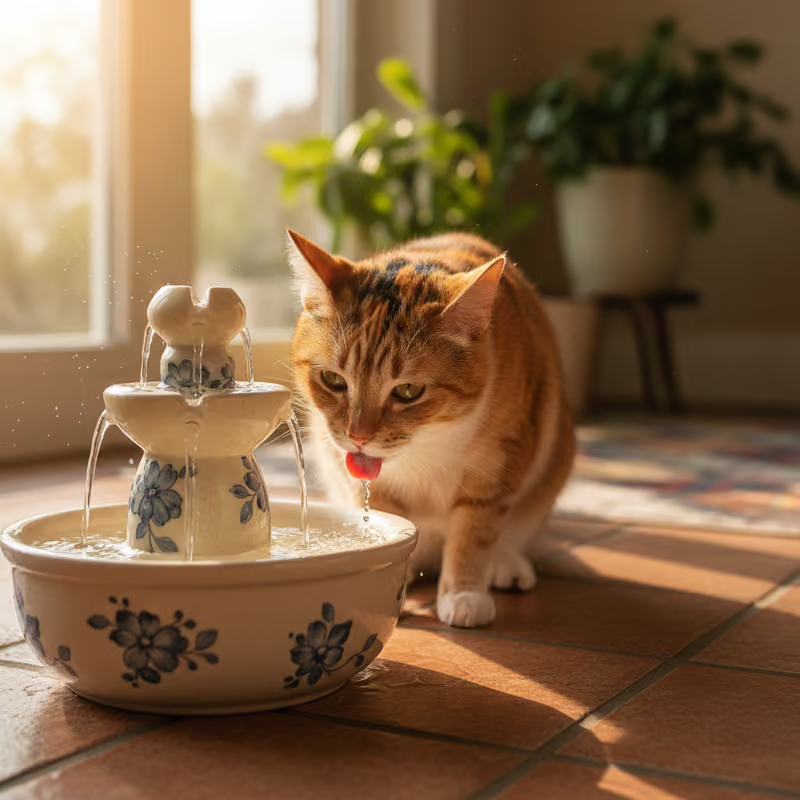
- Circulating Water: Many cats are attracted to moving water. A pet water fountain can be an excellent investment as it mimics fresh, running water, which often appeals to their natural instincts. Ensure the fountain is kept clean and filters are changed as per manufacturer instructions.
4. Make Drinking a Game (Carefully):
- Interactive Play: Some cats might be enticed by a gentle stream from a faucet (briefly, to conserve water) or enjoy playing with ice cubes in their bowl. However, ensure safety and avoid making water a stressful experience.
5. Flavored Water (Cautiously):
- Low-Sodium Broth: Occasionally, a small amount of low-sodium, plain chicken or beef broth (ensure no onion or garlic, which are toxic to cats) diluted with water can encourage drinking. This should be an occasional treat, not a primary hydration method.
- Tuna Water: A tiny amount of water from a can of tuna (packed in water, not oil) can also serve as an occasional enticement, diluted in a water bowl.
6. Monitor Water Intake:
- Observe Drinking Habits: Pay attention to how much and how often your cat drinks. Note any significant changes, such as increased or decreased thirst, as these can be indicators of underlying health issues.
- Keep a Log (Optional): For cats with existing kidney conditions, a log of daily water intake can be useful for veterinary monitoring.
7. Address Environmental Factors:
- Temperature Control: In warmer weather, cats need more water. Ensure their environment is cool, and they have access to shade.
- Stress Reduction: A calm environment can positively impact overall health, including hydration behaviors.
By diligently applying these practical habits, caregivers can proactively support their cat's hydration levels, contributing to robust kidney function and overall well-being. Organizations like the Cornell Feline Health Center provide extensive resources on feline care, often emphasizing these types of practical approaches.
Common mistakes to avoid
Even with the best intentions, caregivers can inadvertently make choices that hinder a cat's hydration efforts or negatively impact their urinary and kidney health. Awareness of these common pitfalls is crucial for effective preventive care.
1. Relying Solely on Dry Kibble:
- Mistake: Providing only dry food as the primary diet. While convenient, dry kibble is inherently low in moisture (6-10%), making it difficult for cats to meet their hydration needs through drinking alone, especially given their low thirst drive.
- Impact: Contributes to chronic dehydration, places increased strain on kidneys to conserve water, and leads to more concentrated urine, increasing the risk of crystal formation and FLUTD.
2. Insufficient Water Accessibility and Freshness:
- Mistake: Offering only one water bowl in an inconvenient location (e.g., next to the litter box or in a high-traffic area). Not cleaning the water bowl regularly or not changing the water frequently.
- Impact: Cats are particular. A dirty bowl or stale water is unappealing and will deter drinking. A single, inconvenient location means less frequent access. This directly reduces water intake.
3. Using Inappropriate Water Bowls:
- Mistake: Using plastic bowls that can absorb odors, leach chemicals, or cause "whisker fatigue" if too narrow.
- Impact: Plastic can harbor bacteria and impart unpleasant tastes to the water. Whisker fatigue occurs when a cat's sensitive whiskers repeatedly touch the sides of a deep bowl, causing discomfort and leading to avoidance.
4. Ignoring Changes in Drinking Habits:
- Mistake: Overlooking increased thirst (polydipsia) or decreased drinking. Assuming a cat is just "finicky" if they drink less.
- Impact: Significant changes in drinking behavior can be early indicators of serious underlying health conditions such as kidney disease, diabetes, hyperthyroidism, or urinary tract infections. Delayed recognition can delay diagnosis and treatment.
5. Assuming Water from Food is Enough (with dry food):
- Mistake: Believing that as long as there's a water bowl available, a dry-food fed cat will drink enough to compensate for the lack of moisture in their diet.
- Impact: Cats do not naturally drink enough to offset the low moisture content of dry food. Their ancestral diet was water-rich prey, and their physiology is adapted to extract most water from food, not to drink large quantities.
6. Stressing the Cat During Drinking:
- Mistake: Placing water bowls in noisy, high-traffic areas or next to appliances that make sudden sounds. Punishing or startling a cat near their water source.
- Impact: Cats need to feel secure when they eat and drink. Stress and anxiety can deter them from approaching their water.
7. Using Flavored Broths with Harmful Ingredients:
- Mistake: Giving human broths or bouillons that contain onion, garlic, high sodium, or artificial ingredients.
- Impact: Onion and garlic are toxic to cats and can cause red blood cell damage. High sodium can be detrimental, especially to cats with kidney issues. Always use plain, low-sodium broths specifically formulated for cats, or make your own with cat-safe ingredients.
By consciously avoiding these common errors, caregivers can create a more conducive environment for optimal hydration, which is a key component in preventing and managing feline urinary and kidney issues. The Food and Drug Administration (FDA) in the US, and similar regulatory bodies globally, issue guidance on food safety, which includes ingredients to avoid for pets.
When to see a professional
Recognizing the signs that indicate a cat needs veterinary attention for potential urinary or kidney issues is critical. Early intervention can significantly impact the prognosis and management of these conditions. Always consult a qualified veterinarian if you observe any of the following signs:
1. Changes in Urination Habits:
- Increased Frequency (Pollakiuria): Your cat is going to the litter box much more often than usual.
- Straining to Urinate (Stranguria): Your cat is crouching in the litter box for prolonged periods, making repeated attempts to urinate with little or no success, or vocalizing in pain while trying to urinate. This is a medical emergency, especially in male cats, as it could indicate a life-threatening urethral obstruction.
- Urination Outside the Litter Box (Periuria): While sometimes behavioral, this can also be a sign of a medical problem, especially if accompanied by other urinary symptoms. The cat may associate the litter box with pain and seek other places to relieve themselves.
- Reduced Urine Output (Oliguria) or No Urine Output (Anuria): These are very serious signs that require immediate veterinary care, as they can indicate severe kidney failure or a complete urinary blockage.
- Increased Urine Volume (Polyuria): Producing an unusually large amount of urine, which often accompanies increased thirst.
2. Visible Changes in Urine:
- Blood in Urine (Hematuria): Urine appearing pink, red, or dark brown.
- Cloudy or Foul-Smelling Urine: Can indicate an infection or presence of crystals.
3. Changes in Drinking Habits:
- Increased Thirst (Polydipsia): Your cat is drinking significantly more water than usual. This can be a sign of kidney disease, diabetes, or hyperthyroidism.
- Decreased Drinking: While less noticeable, a sudden reduction in water intake can contribute to dehydration and worsen existing conditions.
4. General Signs of Illness:
- Lethargy or Weakness: Reduced energy levels, reluctance to move or play.
- Loss of Appetite (Anorexia): Refusal to eat.
- Vomiting: Can be a symptom of kidney disease or other systemic illness.
- Weight Loss: Unexplained decrease in body mass.
- Dull Coat: Poor coat condition can reflect overall poor health.
- Bad Breath (Halitosis): Can be a sign of kidney disease (uremic breath).
- Pain Response: Any vocalization or defensive behavior when touched, particularly around the abdomen or hindquarters.
5. Behavioral Changes:
- Hiding: Cats often hide when they are not feeling well.
- Increased Irritability or Aggression: Due to discomfort or pain.
If you observe one or more of these symptoms, it is crucial to seek veterinary attention promptly. For conditions like a suspected urinary obstruction, time is of the essence, and immediate care can be life-saving. Regular wellness checks with your veterinarian, as recommended by organizations like the American Veterinary Medical Association (AVMA) or the British Veterinary Association (BVA), are also vital for early detection of subclinical diseases before overt symptoms appear. These check-ups often include blood and urine tests that can reveal early signs of kidney compromise.
Frequently asked questions
Q: How much water should my cat drink daily?
A cat's daily water intake can vary based on factors such as diet, activity level, age, and health status. As a general guideline, cats typically need about 2-4 ounces of water per 5 pounds of body weight per day. However, much of this moisture can come from their food. Cats on an exclusively wet food diet often derive most of their necessary water from their meals and may appear to drink less from their water bowl, which is normal. Cats on dry kibble will need to drink significantly more from bowls to meet their needs.
Q: Can feeding my cat only dry food lead to kidney problems?
While dry food itself doesn't directly cause kidney disease, a diet consisting solely of dry kibble can be a contributing factor to chronic dehydration due to its low moisture content (6-10%). Cats have a low thirst drive, meaning they may not drink enough water to compensate for this lack of moisture. This prolonged mild dehydration can place additional stress on the kidneys and lead to more concentrated urine, potentially increasing the risk of urinary crystals, stones, and other lower urinary tract issues over time. Many veterinarians recommend incorporating wet food into a cat's diet to boost moisture intake.
Q: What are the best ways to encourage my cat to drink more water?
To encourage increased water intake, try providing multiple water stations in various locations, using different types of bowls (e.g., ceramic, stainless steel, glass) to find what your cat prefers, and ensuring the water is always fresh and clean (changed daily, bowls washed regularly). Many cats are attracted to moving water, so a pet water fountain can be very effective. Additionally, incorporating wet food into their diet or adding a small amount of plain, cat-safe broth or water to their meals can significantly boost their overall moisture intake.
Q: What are the early signs of kidney disease in cats?
Early signs of kidney disease in cats can be subtle and may include increased thirst (polydipsia) and increased urination (polyuria), which caregivers might notice as more frequent trips to the litter box or larger clumps of urine. Other signs can include a decrease in appetite, weight loss, lethargy, and a dull coat. As the disease progresses, vomiting, bad breath (uremic breath), and oral ulcers may appear. Regular veterinary check-ups are crucial for early detection, as blood and urine tests can reveal changes in kidney function before overt clinical signs become apparent.
Q: Are urinary crystals and stones the same thing, and how does hydration help?
Urinary crystals are microscopic mineral formations that can be found in a cat's urine. If these crystals are present in high concentrations and conditions are favorable (e.g., specific urine pH), they can aggregate and grow into larger structures called urinary stones (uroliths). Both can cause irritation, inflammation, and potential blockages in the urinary tract. Proper hydration is critical because it leads to more dilute urine. Dilute urine means that minerals and waste products are less concentrated, making it harder for crystals to form and for existing crystals to grow into stones. Dilute urine also helps to flush the urinary tract more effectively.
Key takeaways
- Cats are unique in their hydration needs: Due to their desert ancestors, cats have a low thirst drive and are adapted to obtain most of their water from food.
- Dietary moisture is paramount: Wet food significantly contributes to a cat's hydration, reducing the burden on their kidneys and promoting urine dilution.
- Adequate hydration supports kidney function: It helps kidneys flush waste more efficiently, reducing the concentration of minerals in urine and thereby lowering the risk of crystal and stone formation, as well as general urinary tract issues.
- Multiple, appealing water sources are essential: Provide several clean, fresh water bowls of various types (ceramic, stainless steel) in quiet locations. Pet water fountains often encourage drinking.
- Avoid common mistakes: Do not rely solely on dry kibble, neglect water freshness, use inappropriate bowls, or ignore changes in drinking or urination habits.
- Monitor for warning signs: Be vigilant for increased or decreased thirst, changes in urination frequency or location, straining to urinate, blood in urine, or general signs of illness like lethargy or loss of appetite.
- Seek veterinary care promptly: Any concerning urinary or systemic symptoms warrant immediate veterinary consultation. Early detection and intervention are crucial for managing kidney and urinary conditions.
- Regular check-ups are key: Routine veterinary visits, including blood and urine tests, are vital for monitoring kidney health, especially in aging cats, allowing for early intervention.
By understanding and addressing these key aspects of feline hydration, caregivers can play a proactive role in safeguarding their cat's kidney and urinary tract health, contributing to a longer, healthier, and more comfortable life for their beloved companion.
Related reading
Keep exploring this topic with our related, evidence-reviewed guides:
- Farm Animal Housing and Ventilation: Preventing Respiratory Disease — A practical, evidence-informed guide to farm ventilation — what matters, what works, common mistakes, and when to consult a profes…
- Dog Dental Care: Preventing Periodontal Disease at Home — A practical, evidence-informed guide to dog dental care — what matters, what works, common mistakes, and when to consult a profess…
- Kidney Health Basics: Evidence-Based Guide — Learn the fundamentals of kidney health, including their vital functions, common risk factors for kidney disease, and actionable s…
- Indoor Cat Enrichment: Preventing Boredom, Stress, and Overeating — A practical, evidence-informed guide to indoor cat enrichment — what matters, what works, common mistakes, and when to consult a p…
- Cat Dental Disease: Signs, Prevention, and Professional Cleaning — A practical, evidence-informed guide to cat dental disease — what matters, what works, common mistakes, and when to consult a prof…
- Guinea Pig and Hamster Care: Common Health Problems to Watch — A practical, evidence-informed guide to guinea pig health — what matters, what works, common mistakes, and when to consult a profe…
Sources
- World Small Animal Veterinary Association (WSAVA)
- American Veterinary Medical Association (AVMA)
- American Association of Feline Practitioners (AAFP)
- Cornell Feline Health Center
- Mayo Clinic (for general principles of kidney health)
- National Kidney Foundation (NKF - for general principles of kidney health)
- Food and Drug Administration (FDA - for pet food safety)
Sources
Evidence & citations
- Every claim in this animal health guide is backed by primary data — browse the zoonotic and one-health statistics in our sourced statistics library.
- Writing about this topic? Researchers, journalists and educators can cite our animal health guidance with ready-made APA, MLA and Chicago references.
My notes on this one
The short version of 16 minutes of reading — what stuck with me while writing “Cat Hydration and Kidney Health: Preventing Urinary Problems”, what the sources back up, and what I'd actually do about it.
What I'd take away
01 · Why this matters
While the exact causes of CKD can be multifactorial, including genetics, diet, and environmental factors, consistent dehydration can be a contributing factor or a factor that worsens the progression of the dise…
02 · Key principles
Dry kibble, by contrast, contains only about 6-10% water.
03 · Practical daily habits
Address Environmental Factors: By diligently applying these practical habits, caregivers can proactively support their cat's hydration levels, contributing to robust kidney function and overall well-being.
04 · Common mistakes to avoid
Impact: Cats are particular. A dirty bowl or stale water is unappealing and will deter drinking. A single, inconvenient location means less frequent access. This directly reduces water intake.
What the sources I read actually say
For guidance on veterinary care, organizations like the World Small Animal Veterinary Association (WSAVA) and the American Veterinary Medical Association (AVMA) offer resources and guidelines that und…
World Health OrganizationOne of the most significant concerns is Chronic Kidney Disease (CKD), a progressive and often irreversible condition that is prevalent in older cats.
Centers for Disease Control and PreventionThe National Kidney Foundation (NKF) and similar human health organizations emphasize hydration for kidney health, and while species-specific, the principle of dilution is analogous.
National Institutes of Health
If you only do one thing this week
- Keep a Log (Optional) — For cats with existing kidney conditions, a log of daily water intake can be useful for veterinary monitoring.
- A mouse, for example, is approximately 70-75% water.
- Dry kibble, by contrast, contains only about 6-10% water.
- While dry food itself doesn't directly cause kidney disease, a diet consisting solely of dry kibble can be a contributing factor to chronic dehydration due to its low moisture cont…
Pick the one that fits your week. None of this replaces advice from a clinician who can actually examine you.
Questions I kept coming back to
How much water should my cat drink daily?+
A cat's daily water intake can vary based on factors such as diet, activity level, age, and health status. As a general guideline, cats typically need about 2-4 ounces of water per 5 pounds of body weight per day. However, much of this moisture can come from their food. Cats on an exclusively wet food diet often derive most of their necessary water from their meals and may appear to drink less from their water bowl…
Can feeding my cat only dry food lead to kidney problems?+
While dry food itself doesn't directly cause kidney disease, a diet consisting solely of dry kibble can be a contributing factor to chronic dehydration due to its low moisture content (6-10%). Cats have a low thirst drive, meaning they may not drink enough water to compensate for this lack of moisture. This prolonged mild dehydration can place additional stress on the kidneys and lead to more concentrated urine…
What are the best ways to encourage my cat to drink more water?+
To encourage increased water intake, try providing multiple water stations in various locations, using different types of bowls (e.g., ceramic, stainless steel, glass) to find what your cat prefers, and ensuring the water is always fresh and clean (changed daily, bowls washed regularly). Many cats are attracted to moving water, so a pet water fountain can be very effective. Additionally…
What are the early signs of kidney disease in cats?+
Early signs of kidney disease in cats can be subtle and may include increased thirst (polydipsia) and increased urination (polyuria), which caregivers might notice as more frequent trips to the litter box or larger clumps of urine. Other signs can include a decrease in appetite, weight loss, lethargy, and a dull coat. As the disease progresses, vomiting, bad breath (uremic breath), and oral ulcers may appear…
Are urinary crystals and stones the same thing, and how does hydration help?+
Urinary crystals are microscopic mineral formations that can be found in a cat's urine. If these crystals are present in high concentrations and conditions are favorable (e.g., specific urine pH), they can aggregate and grow into larger structures called urinary stones (uroliths). Both can cause irritation, inflammation, and potential blockages in the urinary tract…
Was this article helpful?
Be the first to rate this article.
Written by
FaizRuh
I write Health Hub Pro on my own — no clinical licence, no anonymous review panel. Just the published guidance, read carefully and explained plainly.
More about me →How this page was checked
Every claim above is checked against the sources listed at the bottom of this article — WHO, CDC, NIH, NHS, Cochrane and major clinical guidelines. Drafting is AI-assisted; the editing, fact-checking and final wording are mine. It's information, not medical advice. Spotted an error? Tell me and I'll fix it.
Last checked on