Chinese Seasonal Eating: How to Match Your Plate to the Time
A practical, evidence-informed guide to chinese seasonal eating — what matters, what works, common mistakes, and when to consult a professional.
For informational purposes only. This article is educational and is not a substitute for professional medical advice, diagnosis, or treatment. Always consult a qualified healthcare provider about anything affecting your health. Read full disclaimer.
Chinese Seasonal Eating: How to Match Your Plate to the Time of Year
(Not medical or veterinary advice — consult a qualified clinician or veterinarian for personal guidance.)
Introduction
Across various traditional dietary philosophies worldwide, the concept of aligning one's eating patterns with the changing seasons holds a significant place. In the context of traditional Chinese thought, this practice, often referred to as "seasonal eating" or "eating with the seasons," is deeply intertwined with broader principles of harmony and balance. It suggests that just as the natural world undergoes transformations throughout the year, so too should human diets adapt to support the body's natural rhythms and optimize well-being.
This approach is not merely about consuming foods that are readily available during a particular season; it delves deeper into the perceived energetic properties of foods and their potential influence on the body's internal state. The belief is that by consuming foods that are in season and chosen to complement the environmental conditions, individuals can help maintain internal equilibrium, support their body's inherent functions, and navigate the seasonal transitions with greater ease. This article will explore the general principles guiding this tradition and offer practical considerations for those interested in exploring its concepts.
Why this matters
The philosophy behind Chinese seasonal eating emphasizes the interconnectedness of human health with the natural environment. From this perspective, the external climate—whether it's the warmth of summer, the coolness of autumn, the cold of winter, or the budding energy of spring—is believed to have a direct impact on the body's internal functions. By adapting dietary choices to these external conditions, the aim is to support the body's ability to regulate temperature, adjust metabolism, and maintain overall vitality.
For example, during colder months, foods considered warming are often emphasized, while in warmer periods, cooling foods might be preferred. This dynamic adjustment is thought to assist the body in adapting to environmental stresses and promote resilience. Beyond this, a focus on seasonal foods often aligns with consuming produce at its peak freshness and nutritional value, as these items are harvested when ripe and may offer optimal flavors and beneficial compounds. While specific dietary recommendations should always be discussed with a qualified health professional, understanding these general principles can offer a perspective on aligning diet with environmental cycles.
Key principles (evidence-informed)
The framework of Chinese seasonal eating is rooted in several core concepts. While specific scientific validation for each traditional claim may vary, the emphasis on whole, fresh foods and environmental adaptation aligns with general wellness principles.
1. Harmony with Nature (Yin and Yang): This foundational concept suggests that everything in the universe, including the human body and food, possesses qualities of Yin (cool, moist, calm, passive) and Yang (warm, dry, active, energetic). The goal is to maintain a balance between these forces within the body.
- Application: During warmer seasons (more Yang energy in the environment), foods with Yin (cooling) properties might be favored to balance the body. Conversely, in colder seasons (more Yin energy in the environment), foods with Yang (warming) properties might be emphasized. This does not refer to the actual temperature of the food but rather its perceived energetic effect on the body.
2. Five Elements (Wu Xing): This theory classifies phenomena into five interdependent elements: Wood, Fire, Earth, Metal, and Water. Each element is associated with specific seasons, organs, tastes, and colors.
- Application:
- Spring (Wood): Associated with growth and new beginnings, the liver and gallbladder, and a sour taste. Foods that support detoxification and gentle cleansing are often recommended.
- Summer (Fire): Associated with warmth, activity, the heart and small intestine, and a bitter taste. Foods that are cooling and hydrating are often suggested.
- Late Summer/Transition (Earth): Associated with stability, nurturing, the spleen and stomach, and a sweet taste. Foods that support digestion and energy are often emphasized.
- Autumn (Metal): Associated with harvest, contraction, the lungs and large intestine, and a pungent/spicy taste. Foods that moisten and support the respiratory system are often considered.
- Winter (Water): Associated with cold, stillness, the kidneys and bladder, and a salty taste. Foods that are warming and deeply nourishing are often recommended.
3. Food Energetics: Beyond nutritional content, foods are traditionally categorized by their perceived energetic effect on the body: warming, cooling, neutral, moistening, or drying.
- Warming foods: Examples might include ginger, cinnamon, lamb, beef.
- Cooling foods: Examples might include cucumber, watermelon, mint, seafood.
- Neutral foods: Examples might include rice, carrots, apples.
- Moistening foods: Examples might include pears, sesame seeds, almonds.
- Drying foods: Examples might include barley, radishes.
4. Seasonal Adaptation: The core principle is to adjust food choices to complement the prevailing environmental conditions, rather than adhering to a fixed diet year-round. This involves considering the weather, length of day, and typical seasonal health concerns.
- Spring: Focus on light, fresh, often slightly pungent or sour foods to support the "ascendant" energy of the season and aid the body's natural processes. Examples: leafy greens, sprouts, young vegetables.
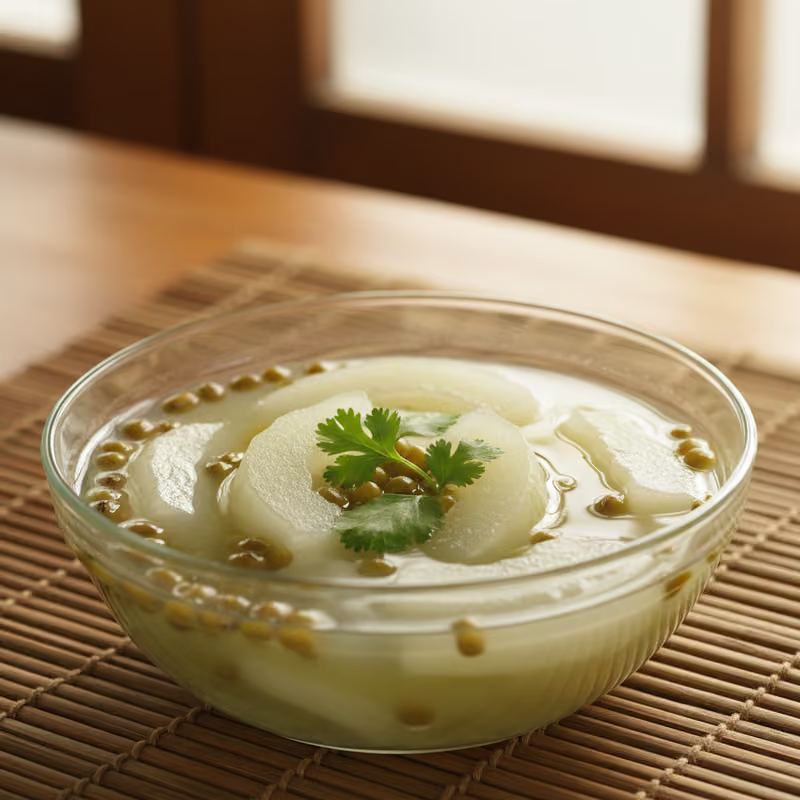
- Summer: Emphasize cooling, hydrating foods to counteract external heat. Light cooking methods and abundant fruits and vegetables are common. Examples: cucumber, watermelon, tomato, leafy greens.
- Late Summer: Focus on neutral, slightly sweet foods to support digestion and energy storage in preparation for cooler months. Examples: squash, corn, potatoes, millet.
- Autumn: Favor moistening, gently warming foods to support the respiratory system and prepare the body for winter dryness. Examples: pears, apples, root vegetables, nuts, seeds.
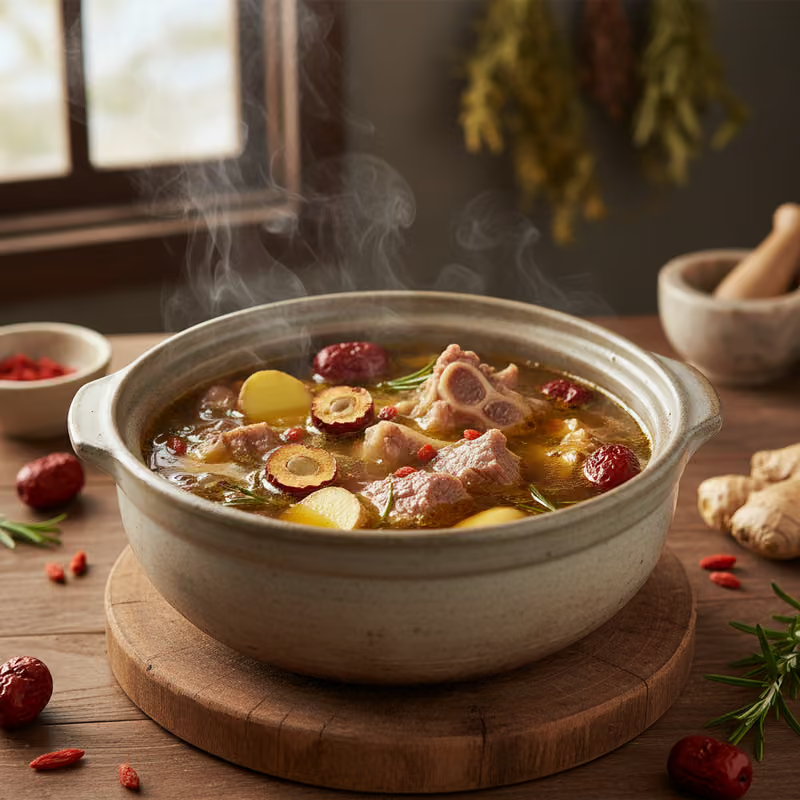
- Winter: Prioritize warming, nourishing foods that are often slow-cooked to build and conserve energy. Examples: stews, soups, root vegetables, darker leafy greens, whole grains.
General Nutritional Alignment (WHO, CDC, NIH, NHS): While traditional Chinese thought uses a different explanatory framework, many of its practical recommendations align with general healthy eating guidelines promoted by organizations like the WHO, CDC, NIH, and NHS. These include:
- Emphasis on whole foods: Seasonal eating naturally promotes consumption of fresh, unprocessed fruits, vegetables, grains, and legumes.
- Variety: Adapting diet to seasons naturally encourages a wide range of produce throughout the year.
- Mindful eating: The philosophy encourages attention to one's body and environment, which can contribute to mindful consumption.
- Hydration: Especially in warmer months, hydrating foods and beverages are often emphasized.
These principles offer a framework for considering how diet might be adapted throughout the year, focusing on the quality and perceived energetic properties of food.
Practical daily habits
Incorporating the concepts of Chinese seasonal eating into daily life doesn't necessarily require a complete overhaul of one's diet but rather a mindful shift in food choices.
1. Embrace Local and Seasonal Produce:
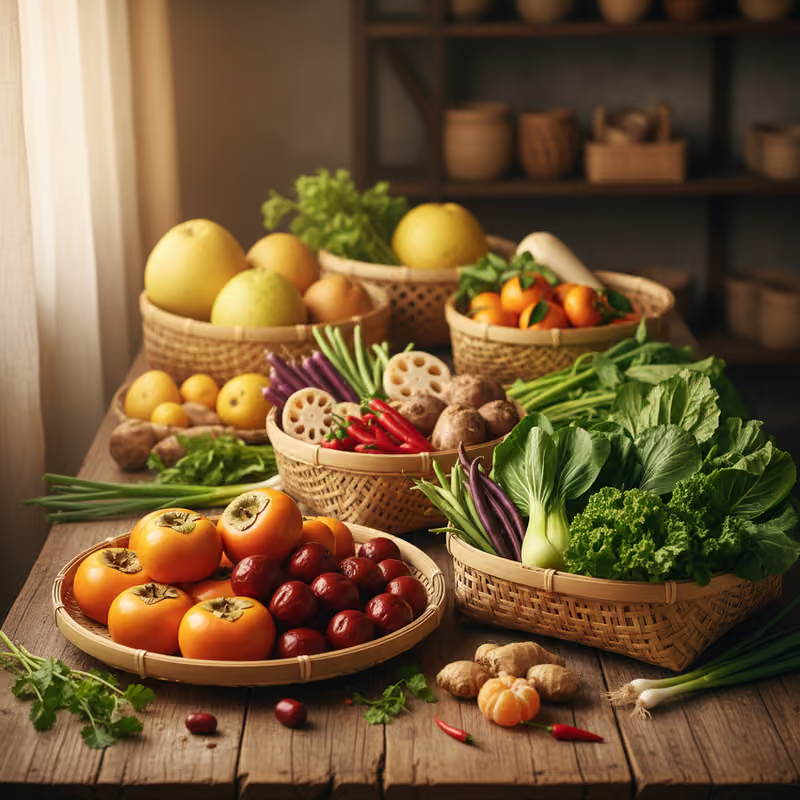
- Make an effort to purchase fruits and vegetables that are currently in season in your region. Farmers' markets or local grocery stores are excellent places to find these.
- Understanding which foods are seasonal aligns with traditional practices and often means consuming produce at its peak freshness and potential nutritional value.
2. Adjust Cooking Methods Seasonally:
- Spring: Lighter cooking methods like steaming, stir-frying, and blanching are often favored. Salads with young, fresh greens.
- Summer: Raw foods, light stir-fries, and grilling might be emphasized. Focus on dishes that don't involve prolonged cooking times, potentially to avoid adding extra heat to the kitchen.
- Late Summer: Roasting, simmering, and gentle braising to support the digestive system.
- Autumn: Stews, soups, and roasting, using root vegetables and heartier grains.
- Winter: Slow-cooking methods like simmering, braising, and stewing are often preferred for deeply nourishing and warming dishes.
3. Mindful Selection of Protein Sources:
- Spring: Lighter proteins such as fish or chicken, often prepared with fresh herbs.
- Summer: Lean proteins, perhaps grilled or added to salads.
- Autumn: Poultry, fish, or leaner red meats, often paired with root vegetables.
- Winter: More substantial proteins like lamb, beef, or slow-cooked legumes, which are considered more warming and grounding.
4. Incorporate Herbs and Spices with Seasonal Awareness:
- Spring: Fresh herbs like parsley, cilantro, dill, and chives.
- Summer: Cooling herbs like mint, basil, and light spices.
- Autumn: Warming spices like ginger, cinnamon, nutmeg, and cardamom, but in moderation.
- Winter: Warming spices like ginger, star anise, cloves, and cinnamon are often used more liberally in stews and beverages.
5. Prioritize Hydration Appropriately:
- Summer: Abundant intake of water, herbal teas (e.g., chrysanthemum, mint), and hydrating fruits and vegetables.
- Winter: Warming beverages like ginger tea, warm broths, and soups to help maintain internal warmth and moisture.
6. Listen to Your Body:
- Pay attention to how different foods make you feel in various seasons. If a food feels particularly warming or cooling, observe that sensation.
- Consider your activity level and general state of health when making food choices. For example, individuals who tend to feel colder might naturally gravitate towards more warming foods year-round, while those who run warm might prefer more cooling options.
Common mistakes to avoid
When exploring the concepts of Chinese seasonal eating, some common pitfalls can detract from its potential benefits or lead to an imbalanced approach.
1. Over-Categorization and Rigidity:
- Mistake: Becoming overly rigid about classifying every single food item as purely "warming" or "cooling" and strictly adhering to these categories. This can lead to an unnecessarily restrictive diet.
- Correction: View food energetics as a general guide rather than an absolute rule. Focus on overall dietary balance rather than micromanaging every ingredient. Many foods have complex properties, and individual responses can vary.
2. Ignoring Individual Needs:
- Mistake: Assuming that seasonal recommendations apply uniformly to everyone, without considering individual body types, current health conditions, or personal preferences. For instance, someone who naturally runs cold might need more warming foods even in summer, or someone with a specific health condition may have particular dietary requirements.
- Correction: Always prioritize individual health needs and consult with a qualified health professional or dietitian for personalized advice. Traditional principles are a framework, not a one-size-fits-all prescription.
3. Focusing Solely on "Energetics" Over Nutrition:
- Mistake: Overemphasizing the energetic properties of food to the detriment of basic nutritional requirements (e.g., adequate protein, vitamins, minerals, fiber).
- Correction: Ensure that the diet remains nutritionally complete and balanced, as advised by recognized health authorities (e.g., WHO, CDC, NIH, NHS). The energetic approach should complement, not replace, sound nutritional science.
4. Believing All Traditional Claims Without Critical Evaluation:
- Mistake: Accepting all traditional health claims without understanding that these systems developed in different historical and scientific contexts. Not all specific traditional claims have direct scientific validation.
- Correction: Appreciate the historical wisdom while understanding that modern scientific knowledge offers additional insights. Consult authoritative health sources for evidence-based dietary recommendations.
5. Neglecting Other Lifestyle Factors:
- Mistake: Believing that diet alone is sufficient to maintain health, while ignoring other crucial lifestyle elements such as adequate sleep, physical activity, stress management, and maintaining social connections.
- Correction: Recognize that diet is one component of a holistic approach to well-being. All aspects of lifestyle contribute to overall health.
6. Disregarding Food Safety and Hygiene:
- Mistake: Focusing so much on seasonal or energetic qualities that basic food safety and hygiene practices are overlooked.
- Correction: Always adhere to established food safety guidelines for preparation, storage, and consumption to prevent foodborne illnesses, as recommended by public health organizations.
By being mindful of these potential pitfalls, individuals can approach Chinese seasonal eating in a balanced, informed, and safe manner.
When to see a professional
While exploring dietary adjustments based on seasonal eating principles can be a valuable personal journey, there are specific circumstances when seeking professional guidance is crucial.
Consult a qualified medical doctor or registered dietitian if you:
- Have pre-existing medical conditions: Conditions such as diabetes, heart disease, kidney disease, digestive disorders (e.g., IBS, Crohn's), or autoimmune diseases often require specific dietary management that should be overseen by a medical professional. Dietary changes, even those rooted in traditional practices, could potentially interfere with treatments or exacerbate conditions.
- Are taking medications: Certain foods can interact with medications, affecting their efficacy or causing adverse effects. A doctor or pharmacist can advise on potential food-drug interactions.
- Experience unexplained symptoms: If you notice new or worsening symptoms after making dietary changes (e.g., persistent digestive issues, fatigue, skin changes, mood disturbances), it's important to consult a healthcare provider to rule out underlying medical causes.
- Are pregnant, breastfeeding, or planning to conceive: Nutritional needs are unique and critical during these periods. Any significant dietary shifts should be discussed with an obstetrician, general practitioner, or a dietitian specializing in maternal health.
- Are considering dietary changes for children or adolescents: Growing bodies have specific nutritional requirements. Dietary modifications for younger individuals should always be supervised by a pediatrician or a registered dietitian.
- Have a history of disordered eating or body image concerns: Dietary restrictions or rigid eating patterns, even if inspired by traditional practices, can sometimes trigger or worsen these issues. Professional support is essential.
- Are experiencing nutrient deficiencies or have specific dietary restrictions (e.g., vegan, vegetarian, allergies): Ensuring adequate nutrient intake while adhering to seasonal principles and existing dietary needs may require expert guidance.
- Are unsure about how to safely implement dietary changes: A registered dietitian can provide personalized, evidence-based advice on how to integrate seasonal eating concepts while ensuring nutritional adequacy and safety.
For individuals interested in Traditional Chinese Medicine (TCM) specific dietary approaches:
- Consult a licensed TCM practitioner: If you wish to delve deeply into the diagnostic and dietary recommendations within TCM, a qualified and licensed TCM practitioner can offer personalized guidance based on individual constitutional analysis. However, it is important to ensure that such practitioners are licensed and adhere to ethical standards, and that their recommendations complement, rather than contradict, conventional medical advice.
Always prioritize your health and well-being by seeking professional medical and dietary advice when needed.
Frequently asked questions
What are the core principles of Chinese seasonal eating?
The core principles involve aligning diet with the natural rhythms of the seasons, primarily through the concepts of Yin and Yang balance and the Five Elements theory. It emphasizes consuming foods that are in season and chosen for their perceived energetic properties (warming, cooling, neutral) to support the body's adaptation to environmental changes and maintain internal harmony. This approach often naturally promotes a diet rich in fresh, whole foods.
How does Chinese seasonal eating differ from modern nutritional advice?
While Chinese seasonal eating uses a framework of "energetics" and traditional philosophical concepts (like Yin/Yang and Five Elements) to guide food choices, modern nutritional advice typically relies on scientific research into macronutrients, micronutrients, and dietary guidelines based on observed health outcomes. However, there is often an overlap in practical recommendations, as both approaches generally advocate for consuming a diverse range of fresh, whole foods, and adapting diet to individual needs. Modern advice also emphasizes food safety, calorie balance, and specific nutrient requirements.
Can seasonal eating help with specific health conditions?
The philosophy of seasonal eating aims to support general well-being and bodily functions throughout the year. While proponents believe it can contribute to a balanced internal state, it is important to understand that it is not a substitute for medical treatment or professional dietary advice for specific health conditions. Individuals with chronic diseases, those on medication, or those with significant health concerns should always consult a qualified medical professional or registered dietitian for personalized guidance.
Is it expensive to eat according to Chinese seasonal principles?
Eating seasonally can often be more cost-effective. Produce that is in season is typically more abundant and therefore tends to be cheaper than out-of-season items that may need to be transported long distances or grown in energy-intensive environments. Shopping at local farmers' markets or utilizing community-supported agriculture (CSA) programs can further help reduce costs and ensure access to fresh, seasonal produce. The focus on whole, unprocessed foods can also be more economical than relying on packaged or highly processed options.
What are some easy ways to start incorporating seasonal eating?
Begin by identifying which fruits and vegetables are currently in season in your region. You can find this information from local farmers' markets, agricultural extension offices, or online resources. Start by incorporating more of these seasonal items into your meals. Experiment with lighter cooking methods (steaming, stir-frying) in warmer months and heartier methods (stewing, roasting) in colder months. Pay attention to how different foods make you feel and gradually adjust your choices, always ensuring your diet remains balanced and nutritionally adequate.
Key takeaways
- Harmony with Seasons: Chinese seasonal eating is a traditional philosophy that encourages aligning one's diet with the changing environmental conditions to support the body's natural rhythms.
- Foundational Concepts: It is guided by principles such as Yin and Yang balance, the Five Elements theory, and food energetics (classifying foods as warming, cooling, neutral, etc.).
- Practical Adaptations: This approach recommends adjusting food choices and cooking methods throughout the year – e.g., lighter, cooling foods in summer; warming, nourishing foods in winter.
- General Health Alignment: While rooted in traditional thought, many practical recommendations align with general healthy eating principles promoted by major health organizations, emphasizing whole, fresh foods and variety.
- Caution and Professional Guidance: It is crucial to avoid rigidity, prioritize individual health needs, and ensure nutritional adequacy. For pre-existing health conditions, medication interactions, pregnancy, or any significant dietary changes, consulting a qualified medical professional or registered dietitian is essential.
Related reading
Keep exploring this topic with our related, evidence-reviewed guides:
- Chinese Immunity Habits Across the Four Seasons — A practical, evidence-informed guide to chinese immunity — what matters, what works, common mistakes, and when to consult a profes…
- Chinese Postnatal and Recovery Traditions: Rest, Warmth, and Nourishment — A practical, evidence-informed guide to chinese confinement — what matters, what works, common mistakes, and when to consult a pro…
- Chinese Walking Culture: Why Post-Meal Walks Beat the Gym for Longevity — A practical, evidence-informed guide to post meal walk — what matters, what works, common mistakes, and when to consult a professi…
- Fermented Chinese Foods: Pickles, Vinegar, and Gut Health — A practical, evidence-informed guide to fermented chinese food — what matters, what works, common mistakes, and when to consult a …
- Chinese Gut Health Wisdom: Warm Foods, Chewing, and Meal Rhythm — A practical, evidence-informed guide to chinese gut health — what matters, what works, common mistakes, and when to consult a prof…
- Yin and Yang in Health: The Chinese Framework for Balance and Recovery — A practical, evidence-informed guide to yin yang health — what matters, what works, common mistakes, and when to consult a profess…
Sources
- World Health Organization (WHO)
- Centers for Disease Control and Prevention (CDC)
- National Institutes of Health (NIH)
- National Health Service (NHS)
- Mayo Clinic
- Cochrane Library
Sources
Evidence & citations
- Every claim in this chinese health wisdom guide is backed by primary data — browse the longevity and lifestyle health statistics in our sourced statistics library.
- Writing about this topic? Researchers, journalists and educators can cite our traditional Chinese health research with ready-made APA, MLA and Chicago references.
My notes on this one
The short version of 13 minutes of reading — what stuck with me while writing “Chinese Seasonal Eating: How to Match Your Plate to the Time”, what the sources back up, and what I'd actually do about it.
What I'd take away
01 · Why this matters
From this perspective, the external climate—whether it's the warmth of summer, the coolness of autumn, the cold of winter, or the budding energy of spring—is believed to have a direct impact on the body's inter…
02 · Key principles
Harmony with Nature (Yin and Yang): This foundational concept suggests that everything in the universe, including the human body and food, possesses qualities of Yin (cool, moist, calm…
03 · Practical daily habits
Understanding which foods are seasonal aligns with traditional practices and often means consuming produce at its peak freshness and potential nutritional value.
04 · Common mistakes to avoid
Mistake: Becoming overly rigid about classifying every single food item as purely "warming" or "cooling" and strictly adhering to these categories. This can lead to an unnecessarily restrictive diet.
What the sources I read actually say
(Not medical or veterinary advice — consult a qualified clinician or veterinarian for personal guidance.) Across various traditional dietary philosophies worldwide…
World Health OrganizationIndividuals with chronic diseases, those on medication, or those with significant health concerns should always consult a qualified medical professional or registered dietitian for personalized guidan…
Centers for Disease Control and Prevention
If you only do one thing this week
- Begin by identifying which fruits and vegetables are currently in season in your region.
- Start by incorporating more of these seasonal items into your meals.
Pick the one that fits your week. None of this replaces advice from a clinician who can actually examine you.
Questions I kept coming back to
What are the core principles of Chinese seasonal eating?+
The core principles involve aligning diet with the natural rhythms of the seasons, primarily through the concepts of Yin and Yang balance and the Five Elements theory. It emphasizes consuming foods that are in season and chosen for their perceived energetic properties (warming, cooling, neutral) to support the body's adaptation to environmental changes and maintain internal harmony…
How does Chinese seasonal eating differ from modern nutritional advice?+
While Chinese seasonal eating uses a framework of "energetics" and traditional philosophical concepts (like Yin/Yang and Five Elements) to guide food choices, modern nutritional advice typically relies on scientific research into macronutrients, micronutrients, and dietary guidelines based on observed health outcomes. However, there is often an overlap in practical recommendations…
Can seasonal eating help with specific health conditions?+
The philosophy of seasonal eating aims to support general well-being and bodily functions throughout the year. While proponents believe it can contribute to a balanced internal state, it is important to understand that it is not a substitute for medical treatment or professional dietary advice for specific health conditions. Individuals with chronic diseases, those on medication…
Is it expensive to eat according to Chinese seasonal principles?+
Eating seasonally can often be more cost-effective. Produce that is in season is typically more abundant and therefore tends to be cheaper than out-of-season items that may need to be transported long distances or grown in energy-intensive environments. Shopping at local farmers' markets or utilizing community-supported agriculture (CSA) programs can further help reduce costs and ensure access to fresh…
What are some easy ways to start incorporating seasonal eating?+
Begin by identifying which fruits and vegetables are currently in season in your region. You can find this information from local farmers' markets, agricultural extension offices, or online resources. Start by incorporating more of these seasonal items into your meals. Experiment with lighter cooking methods (steaming, stir-frying) in warmer months and heartier methods (stewing, roasting) in colder months…
Was this article helpful?
Be the first to rate this article.
Written by
FaizRuh
I write Health Hub Pro on my own — no clinical licence, no anonymous review panel. Just the published guidance, read carefully and explained plainly.
More about me →How this page was checked
Every claim above is checked against the sources listed at the bottom of this article — WHO, CDC, NIH, NHS, Cochrane and major clinical guidelines. Drafting is AI-assisted; the editing, fact-checking and final wording are mine. It's information, not medical advice. Spotted an error? Tell me and I'll fix it.
Last checked on