Ginseng: What Chinese Tradition and Modern Studies Agree On
A practical, evidence-informed guide to ginseng benefits — what matters, what works, common mistakes, and when to consult a professional.
For informational purposes only. This article is educational and is not a substitute for professional medical advice, diagnosis, or treatment. Always consult a qualified healthcare provider about anything affecting your health. Read full disclaimer.
Ginseng: What Chinese Tradition and Modern Studies Agree On
(Not medical or veterinary advice — consult a qualified clinician or veterinarian for personal guidance.)
Introduction
Ginseng, a revered herb with a history spanning millennia, holds a prominent place in traditional practices, particularly within Chinese tradition. Its name, "Panax," derived from the Greek "panacea," meaning "all-healing," reflects the broad range of benefits attributed to it. For centuries, various forms of ginseng, primarily Asian ginseng (Panax ginseng) and American ginseng (Panax quinquefolius), have been utilized for their perceived restorative and revitalizing properties. Traditional understanding often categorizes ginseng based on processing methods (e.g., white ginseng, red ginseng) and views its effects through the lens of balancing vital energy, or "qi," and supporting overall physiological harmony.
In contemporary times, scientific inquiry has sought to unravel the pharmacological basis behind these traditional claims. Modern research employs sophisticated methodologies to identify the active compounds within ginseng, known as ginsenosides, and investigate their mechanisms of action at molecular and cellular levels. These studies aim to validate, clarify, and sometimes challenge, the long-held beliefs about ginseng's efficacy, particularly concerning its potential impact on energy, cognitive function, immune response, and adaptation to stress. The convergence of traditional wisdom and modern scientific exploration provides a more holistic understanding of this complex botanical, highlighting areas where ancient insights align with contemporary findings, and where further investigation is warranted. This article explores these intersections, offering an evidence-informed perspective on ginseng's role in well-being.
Why this matters
The increasing global interest in complementary and alternative practices, coupled with a desire for natural approaches to health maintenance, has placed ginseng under a significant spotlight. Understanding ginseng's potential benefits and limitations is crucial for several reasons. Firstly, its widespread availability in various forms—from teas and supplements to cosmetic products—means that many individuals are incorporating it into their daily routines. An informed perspective helps consumers make judicious choices, separating well-supported claims from unsubstantiated ones.
Secondly, for individuals seeking ways to support their energy levels, cognitive performance, or immune system, ginseng is often presented as a natural option. However, without a clear understanding of its properties, appropriate usage, and potential interactions, its consumption might not yield the desired outcomes or, in some cases, could lead to unintended effects. This is especially pertinent given the variability in ginseng products and the differences between species (e.g., Panax ginseng vs. Panax quinquefolius), each with distinct traditional uses and studied properties.
Thirdly, from a public health standpoint, providing evidence-informed guidance on widely used botanicals like ginseng contributes to responsible health information dissemination. Organizations like the World Health Organization (WHO) acknowledge the role of traditional medicine in global health and advocate for rigorous scientific evaluation of traditional remedies. By critically examining ginseng through both traditional lenses and modern research, individuals can better appreciate its nuanced role in health and wellness, fostering a more balanced approach to its integration into personal health strategies. This knowledge empowers individuals to engage in discussions with healthcare professionals about its suitability for their specific needs, aligning with a proactive and informed approach to personal well-being.
Key principles (evidence-informed)
Ginseng's reputed benefits are largely attributed to its primary active compounds, ginsenosides, which exhibit a range of biological activities. While traditional systems often speak of "balancing qi" or "invigorating the body," modern science translates these concepts into more specific physiological effects.
Adaptogenic Properties: Both traditional Chinese medicine and modern research agree on ginseng's adaptogenic qualities. An adaptogen is a substance believed to help the body adapt to various stressors, whether physical, chemical, or biological, by promoting physiological stability. Traditionally, ginseng was used to enhance resilience and restore balance in the face of demands. Contemporary studies suggest that ginsenosides may influence the hypothalamic-pituitary-adrenal (HPA) axis, a central part of the body's stress response system, and modulate neurotransmitter activity, potentially contributing to its stress-reducing and fatigue-fighting effects. This adaptogenic action is a core area where traditional insight and modern findings frequently align, positioning ginseng as a substance that supports overall homeostasis rather than targeting a single ailment.
Energy and Fatigue Management: One of the most common traditional uses for ginseng is to combat fatigue and boost vitality. This application finds some support in modern studies, particularly concerning individuals experiencing chronic fatigue or those recovering from illness. Research indicates that certain ginsenosides may improve cellular energy production and reduce oxidative stress, which can contribute to feelings of tiredness. The effect is often described as promoting a sustained sense of well-being and endurance rather than a sudden stimulant-like jolt. For instance, some studies have explored its potential to alleviate cancer-related fatigue, a debilitating symptom often resistant to conventional treatments. The American ginseng variety is often associated with more calming effects, while Asian ginseng is traditionally considered more invigorating, distinctions that are beginning to be explored at a biochemical level.
Cognitive Function: Traditional texts often mention ginseng's role in supporting memory and mental clarity, especially for the aging population. Modern research has delved into this aspect, suggesting that ginsenosides may exert neuroprotective effects, enhance cerebral blood flow, and modulate neurotransmitter systems crucial for learning and memory, such as acetylcholine. Some studies have indicated potential benefits in improving aspects of cognitive performance, including attention, working memory, and mood, particularly in individuals experiencing cognitive decline or stress. However, the extent and consistency of these effects can vary, and further robust research is ongoing.
Immune System Modulation: Ginseng has long been employed to strengthen the body's defenses against illness. Traditional understanding suggests it enhances "protective qi." Modern immunological studies have investigated ginseng's capacity to modulate various components of the immune system. Research indicates that ginsenosides may enhance the activity of natural killer cells, macrophages, and T-lymphocytes, and influence cytokine production. This immunomodulatory action suggests ginseng could play a role in supporting the body's immune response, potentially contributing to enhanced resistance against certain infections or helping to regulate inflammatory processes. The precise mechanisms and clinical significance of these effects are still areas of active investigation.
Cardiovascular Support: In traditional Chinese medicine, ginseng is sometimes used to support heart health. Modern scientific interest in this area focuses on ginsenosides' potential to influence blood pressure, cholesterol levels, and endothelial function. Some studies suggest that ginseng may contribute to modest reductions in blood pressure and improve lipid profiles. Its antioxidant and anti-inflammatory properties may also play a role in cardiovascular protection. These effects are complex and require further investigation to establish clear clinical recommendations.
Blood Sugar Regulation: Traditional practices occasionally utilized ginseng to manage symptoms associated with imbalances in blood sugar. Contemporary research has explored this further, with some studies suggesting that American ginseng, in particular, may have a beneficial effect on post-meal blood glucose levels in certain individuals. Ginsenosides are thought to influence insulin secretion and sensitivity, as well as glucose uptake by cells. While promising, ginseng is not a substitute for conventional diabetes management and should be approached with caution, especially for individuals already on blood sugar-lowering medications.
(WHO, NIH, Mayo Clinic, Cochrane): These bodies often review evidence for herbal remedies. The WHO monographs on selected medicinal plants, for example, provide summaries of traditional uses and scientific data for Panax ginseng. The NIH's National Center for Complementary and Integrative Health (NCCIH) offers detailed fact sheets on ginseng, summarizing the current state of research on its efficacy and safety. The Mayo Clinic and Cochrane reviews also frequently evaluate studies on ginseng, providing evidence-based perspectives for healthcare professionals and the public. These organizations emphasize that while ginseng shows promise in several areas, more robust, large-scale clinical trials are often needed to definitively establish its efficacy for specific health conditions and to determine optimal dosages and long-term safety.
Practical daily habits
Incorporating ginseng into a daily routine, if deemed appropriate after consultation with a professional, should be approached with an understanding of its traditional uses and modern insights.
Choosing the Right Type: Different types of ginseng are traditionally used for different purposes, and this is somewhat reflected in current research.
- Panax ginseng (Asian Ginseng): Often associated with invigorating and warming properties. Red ginseng, a steamed and dried form, is frequently studied for its adaptogenic, cognitive-enhancing, and immune-modulating effects. White ginseng is dried without steaming.
- Panax quinquefolius (American Ginseng): Traditionally considered to have more cooling and calming properties. It is often studied for its potential effects on blood sugar regulation and immune function.
- Siberian Ginseng (Eleuthero): Despite its name, this is a different plant (Eleutherococcus senticosus) and not a true ginseng (Panax species). It also possesses adaptogenic properties but has distinct active compounds.
Forms of Consumption: Ginseng is available in various forms:
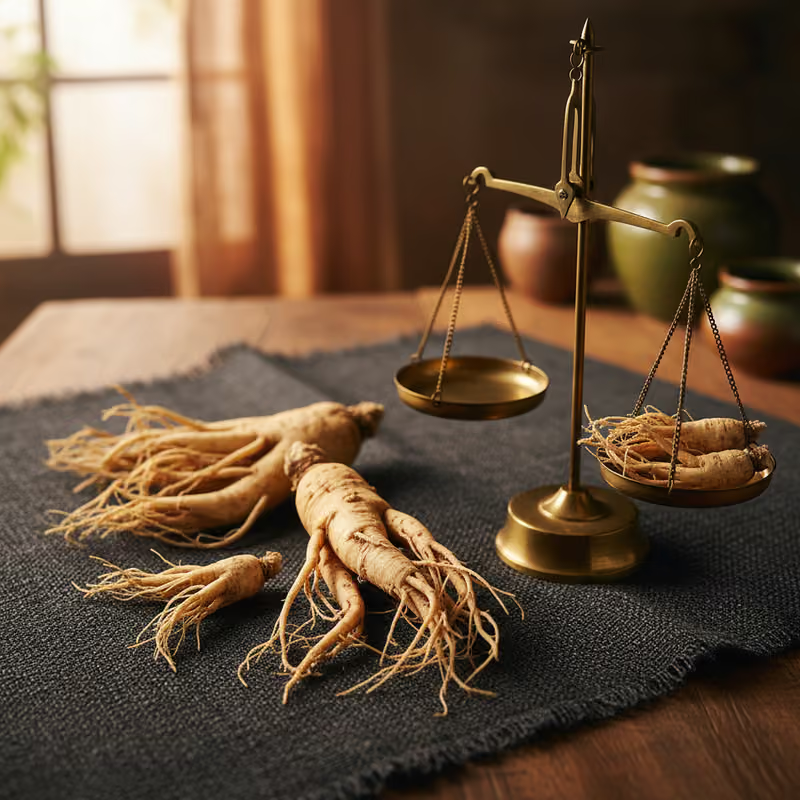
- Root Slices/Powder: Can be brewed as a tea, added to soups, or consumed directly. This method aligns with traditional consumption.
- Extracts/Tinctures: Concentrated forms that may offer more consistent dosing of active compounds.
- Capsules/Tablets: Convenient and standardized forms, often used in clinical studies.
Timing of Consumption: Traditional practice often suggests consuming ginseng in the morning or early afternoon, particularly for invigorating types, to avoid potential sleep disturbances. If aiming for blood sugar modulation, American ginseng might be consumed around meal times.
Cycle of Use: Some traditional practices suggest cyclical use, such as taking ginseng for a few weeks, then taking a break, to maintain its effectiveness and avoid habituation. This concept is not definitively proven by modern research but aligns with the general principle of not continuously taking any supplement indefinitely without reassessment.
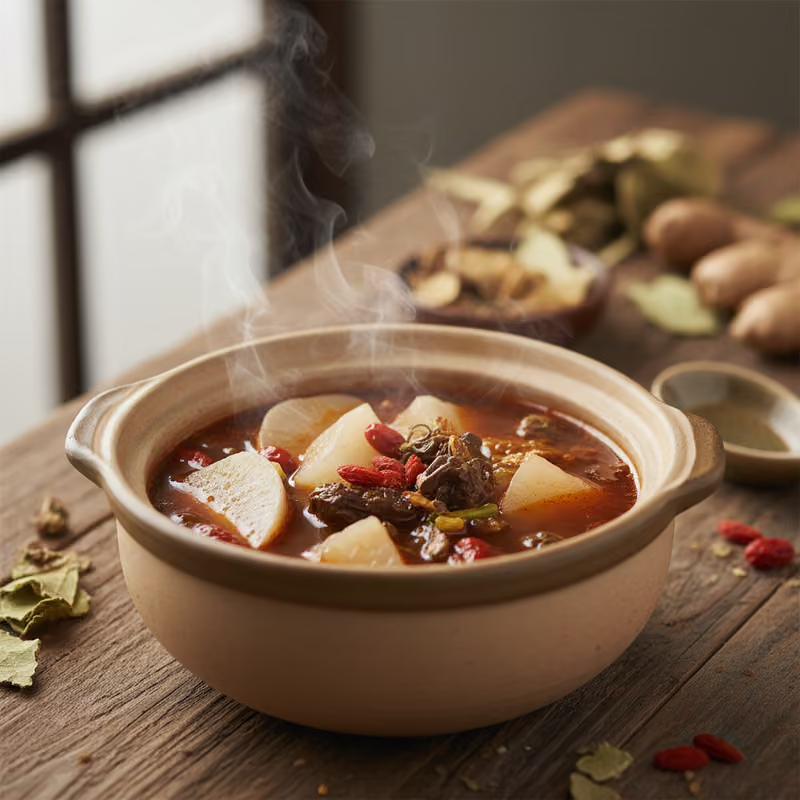
Dietary Integration: Ginseng root can be incorporated into culinary preparations. For instance, it is a common ingredient in traditional Korean and Chinese soups and stews, particularly during colder months or periods of recuperation. This allows for a gentle and sustained intake.
Hydration and Balanced Nutrition: No single herb can compensate for an unhealthy lifestyle. Ginseng's potential benefits are best realized within the context of a well-hydrated body and a nutrient-rich diet. Adequate water intake supports cellular function, and a balanced diet provides the essential building blocks for energy and immune health.
Mindful Practice: If using ginseng for stress or cognitive support, integrating it with other mindful practices like meditation, deep breathing exercises, or regular physical activity can enhance overall well-being. The holistic approach often amplifies the perceived benefits of individual components.
It is critical to remember that the effectiveness of ginseng products can vary significantly based on the species, growing conditions, processing methods, and concentration of active ginsenosides. Sourcing from reputable suppliers is paramount.
Common mistakes to avoid
While ginseng is generally considered safe for many individuals, certain practices and misconceptions can diminish its potential benefits or lead to adverse effects.
Self-Diagnosis and Self-Treatment: Relying on ginseng as a sole treatment for diagnosed medical conditions without professional guidance is a significant mistake. For example, if experiencing persistent fatigue, it is crucial to consult a healthcare provider to rule out underlying conditions like anemia, thyroid disorders, or chronic diseases, which require specific medical interventions. Ginseng should be considered a complementary approach, not a primary cure.
Ignoring Potential Drug Interactions: Ginseng, particularly Panax ginseng, can interact with various medications.
- Anticoagulants (Blood Thinners): Ginseng may have antiplatelet effects, potentially increasing the risk of bleeding when taken with medications like warfarin, aspirin, or clopidogrel.
- Diabetes Medications: Ginseng can lower blood sugar levels. Taking it alongside insulin or oral hypoglycemic drugs might lead to hypoglycemia (dangerously low blood sugar).
- Immunosuppressants: Given its potential immunomodulatory effects, ginseng might interfere with medications designed to suppress the immune system (e.g., after organ transplantation).
- Stimulants: Combining Panax ginseng with other stimulants (e.g., caffeine) could exacerbate stimulant-like effects, potentially leading to nervousness or sleep disturbances.
- Monoamine Oxidase Inhibitors (MAOIs): There is a theoretical concern regarding interactions with MAOIs, which are antidepressants, though more research is needed.
Assuming "Natural" Means "Safe for Everyone": This is a common misconception. Even natural substances can have potent pharmacological effects and are not universally safe. Individuals with certain health conditions (e.g., autoimmune diseases, hormone-sensitive cancers), those who are pregnant or breastfeeding, or individuals undergoing surgery should exercise particular caution or avoid ginseng altogether.
Overdosing or Excessive Use: While severe toxicity from ginseng is rare, high doses or prolonged use, especially of Panax ginseng, can lead to "ginseng abuse syndrome," characterized by symptoms like insomnia, nervousness, high blood pressure, and diarrhea. Adhering to recommended dosages, often found on product labels or advised by a professional, is important.
Ignoring Product Quality and Standardization: The quality and potency of ginseng products vary widely. Some products may contain minimal active ingredients, while others may be contaminated with heavy metals or pesticides. It is a mistake to purchase ginseng from unverified sources. Look for products from reputable manufacturers that provide information on standardization (e.g., percentage of ginsenosides) and third-party testing.
Mistaking Different Ginseng Species: As mentioned, Panax ginseng, Panax quinquefolius, and Siberian ginseng (Eleuthero) are distinct. Their properties and traditional uses differ. Assuming they are interchangeable can lead to unintended effects or a lack of desired benefit.
Expecting Instant Results: Herbal remedies often work subtly and gradually. Expecting immediate, dramatic effects like those from pharmaceutical drugs can lead to disappointment or premature discontinuation before the herb has had sufficient time to exert its potential benefits. Consistent and appropriate use over time is usually key.
Using Ginseng with Uncontrolled Hypertension: While some studies suggest ginseng might help regulate blood pressure, Panax ginseng can sometimes transiently increase blood pressure in sensitive individuals, especially at higher doses. Individuals with uncontrolled hypertension should approach Panax ginseng with extreme caution and under medical supervision.
When to see a professional
Consulting a qualified healthcare professional is crucial when considering ginseng, especially given its potent biological activity and potential interactions.
- Before Starting Any New Supplement: This is the most fundamental principle. Always discuss with your doctor, pharmacist, or a qualified herbalist before adding ginseng to your regimen, especially if you have pre-existing health conditions or are taking other medications. This includes over-the-counter drugs and other supplements.
- If You Have Chronic Health Conditions: Individuals with diabetes, hypertension, autoimmune disorders, bleeding disorders, heart conditions, or hormone-sensitive cancers (e.g., certain breast cancers) should seek professional advice before using ginseng. Ginseng's potential to affect blood sugar, blood pressure, immune function, and hormone regulation necessitates careful consideration.
- If You Are Pregnant or Breastfeeding: The safety of ginseng during pregnancy and lactation has not been definitively established. Due to a lack of sufficient research, it is generally advised for pregnant and breastfeeding individuals to avoid ginseng, or to use it only under strict medical supervision.
- Before Any Surgery: Due to ginseng's potential effects on blood clotting and blood sugar, it should typically be discontinued at least two weeks before any scheduled surgery to minimize the risk of bleeding or complications with anesthesia. Always inform your surgical team about all supplements you are taking.
- If You Experience Adverse Reactions: Should you experience any unusual or uncomfortable symptoms after starting ginseng, such as headaches, dizziness, insomnia, nervousness, skin rashes, digestive upset, or changes in blood pressure or blood sugar, discontinue use immediately and consult a healthcare professional.
- If You Are Taking Medications: As discussed, ginseng can interact with a wide range of medications, including blood thinners, diabetes drugs, antidepressants, and immunosuppressants. Your doctor or pharmacist can assess potential interactions and advise on whether ginseng is safe for you.
- If Your Symptoms Persist or Worsen: If you are using ginseng for general well-being or to address mild symptoms, and those symptoms persist, worsen, or new symptoms develop, it is essential to seek professional medical evaluation. Ginseng should not delay appropriate diagnosis and treatment for serious health issues.
- For Guidance on Dosage and Product Selection: A healthcare professional can help you determine an appropriate dosage, duration of use, and recommend reputable brands or specific types of ginseng based on your individual health profile and goals.
Frequently asked questions
Q: What is the primary difference between Panax ginseng and American ginseng?
A: Panax ginseng, often called Asian ginseng, is traditionally known for its stimulating and invigorating properties, commonly used for fatigue and mental alertness. Panax quinquefolius, or American ginseng, is traditionally considered to have more cooling and calming effects, often used for stress reduction and blood sugar support. Modern studies are exploring these traditional distinctions.
Q: Can ginseng really help with energy levels?
A: Yes, ginseng is widely recognized for its potential to help manage fatigue and boost energy. Both traditional use and some modern studies, particularly on Panax ginseng, suggest it may help improve stamina and reduce feelings of tiredness, possibly through its adaptogenic effects on stress response and cellular energy production. However, it's not a stimulant in the same way as caffeine.
Q: Are there any side effects of taking ginseng?
A: While generally well-tolerated, some individuals may experience side effects such as insomnia, nervousness, headache, dizziness, or digestive upset. Panax ginseng may also affect blood pressure and blood sugar. These effects are often associated with higher doses or interactions with other medications. It is important to consult a healthcare professional.
Q: How long does it take for ginseng to work?
A: The effects of ginseng are typically gradual and can vary depending on the individual, the specific condition being addressed, and the type and dosage of ginseng. It is not an immediate-acting substance. Some individuals may notice subtle changes within a few weeks, while for others, consistent use over several months may be needed to observe more pronounced benefits.
Q: Is ginseng safe to take every day?
A: The suitability of daily ginseng consumption depends on the individual's health status, the type of ginseng, the dosage, and other medications being taken. While some traditional practices involve daily use, it is generally recommended to consult a healthcare professional before long-term daily use to assess individual appropriateness and monitor for any potential side effects or interactions. Some traditions also suggest cyclical use.
Key takeaways
Ginseng, a revered herb in traditional practices, has garnered significant attention from modern science. Both traditional understanding and contemporary research largely agree on its adaptogenic properties, its potential to support energy levels and combat fatigue, its role in modulating cognitive function, and its influence on the immune system. Certain ginseng species, notably Panax ginseng and Panax quinquefolius, have distinct traditional uses and are being investigated for specific effects, such as cardiovascular support and blood sugar regulation.
To incorporate ginseng practically, one should consider the specific type, form of consumption, and timing, ideally within a cycle of use and alongside a balanced lifestyle. However, it is crucial to avoid common pitfalls such as self-diagnosing, ignoring potential drug interactions, assuming "natural" equates to universal safety, and neglecting product quality.
The overriding recommendation is to consult a qualified healthcare professional before starting ginseng, especially if one has chronic health conditions, is pregnant or breastfeeding, is on medication, or is scheduled for surgery. This ensures safe and appropriate use, allowing individuals to harness ginseng's potential benefits responsibly and effectively, while prioritizing overall health and well-being.
Related reading
Keep exploring this topic with our related, evidence-reviewed guides:
- Jujube, Longan, and Chinese Dried Fruits for Blood and Energy — A practical, evidence-informed guide to jujube benefits — what matters, what works, common mistakes, and when to consult a profess…
- Goji Berries in Chinese Wellness: Eye Health, Energy, and Everyday Use — A practical, evidence-informed guide to goji berry benefits — what matters, what works, common mistakes, and when to consult a pro…
- Chinese Dental and Oral Care Traditions Compared With Modern Advice — A practical, evidence-informed guide to chinese oral care — what matters, what works, common mistakes, and when to consult a profe…
- Chinese Men's Health Traditions: Energy, Stamina, and Rest — A practical, evidence-informed guide to chinese mens health — what matters, what works, common mistakes, and when to consult a pro…
- Chinese Ear and Hearing Care Traditions Compared With Modern Advice — A practical, evidence-informed guide to chinese ear care — what matters, what works, common mistakes, and when to consult a profes…
- Cupping Therapy in Chinese Medicine: Benefits, Risks, and What Research Shows — A practical, evidence-informed guide to cupping therapy — what matters, what works, common mistakes, and when to consult a profess…
Sources
- World Health Organization (WHO)
- National Institutes of Health (NIH) / National Center for Complementary and Integrative Health (NCCIH)
- Mayo Clinic
- Cochrane Library
Sources
Evidence & citations
- Every claim in this chinese health wisdom guide is backed by primary data — browse the longevity and lifestyle health statistics in our sourced statistics library.
- Writing about this topic? Researchers, journalists and educators can cite our traditional Chinese health research with ready-made APA, MLA and Chicago references.
My notes on this one
The short version of 14 minutes of reading — what stuck with me while writing “Ginseng: What Chinese Tradition and Modern Studies Agree On”, what the sources back up, and what I'd actually do about it.
What I'd take away
01 · Why this matters
Organizations like the World Health Organization (WHO) acknowledge the role of traditional medicine in global health and advocate for rigorous scientific evaluation of traditional remedies.
02 · Key principles
Modern research has delved into this aspect, suggesting that ginsenosides may exert neuroprotective effects, enhance cerebral blood flow, and modulate neurotransmitter systems crucial for learning and memory…
03 · Practical daily habits
This concept is not definitively proven by modern research but aligns with the general principle of not continuously taking any supplement indefinitely without reassessment.
04 · Common mistakes to avoid
Individuals with certain health conditions (e.g., autoimmune diseases, hormone-sensitive cancers), those who are pregnant or breastfeeding…
What the sources I read actually say
Organizations like the World Health Organization (WHO) acknowledge the role of traditional medicine in global health and advocate for rigorous scientific evaluation of traditional remedies.
World Health OrganizationFor example, if experiencing persistent fatigue, it is crucial to consult a healthcare provider to rule out underlying conditions like anemia, thyroid disorders, or chronic diseases…
Centers for Disease Control and PreventionThe NIH's National Center for Complementary and Integrative Health (NCCIH) offers detailed fact sheets on ginseng, summarizing the current state of research on its efficacy and safety.
National Institutes of Health
Questions I kept coming back to
What is the primary difference between Panax ginseng and American ginseng?+
Panax ginseng, often called Asian ginseng, is traditionally known for its stimulating and invigorating properties, commonly used for fatigue and mental alertness. Panax quinquefolius, or American ginseng, is traditionally considered to have more cooling and calming effects, often used for stress reduction and blood sugar support. Modern studies are exploring these traditional distinctions.
Can ginseng really help with energy levels?+
Yes, ginseng is widely recognized for its potential to help manage fatigue and boost energy. Both traditional use and some modern studies, particularly on Panax ginseng, suggest it may help improve stamina and reduce feelings of tiredness, possibly through its adaptogenic effects on stress response and cellular energy production. However, it's not a stimulant in the same way as caffeine.
Are there any side effects of taking ginseng?+
While generally well-tolerated, some individuals may experience side effects such as insomnia, nervousness, headache, dizziness, or digestive upset. Panax ginseng may also affect blood pressure and blood sugar. These effects are often associated with higher doses or interactions with other medications. It is important to consult a healthcare professional.
How long does it take for ginseng to work?+
The effects of ginseng are typically gradual and can vary depending on the individual, the specific condition being addressed, and the type and dosage of ginseng. It is not an immediate-acting substance. Some individuals may notice subtle changes within a few weeks, while for others, consistent use over several months may be needed to observe more pronounced benefits.
Is ginseng safe to take every day?+
The suitability of daily ginseng consumption depends on the individual's health status, the type of ginseng, the dosage, and other medications being taken. While some traditional practices involve daily use, it is generally recommended to consult a healthcare professional before long-term daily use to assess individual appropriateness and monitor for any potential side effects or interactions…
Was this article helpful?
Be the first to rate this article.
Written by
FaizRuh
I write Health Hub Pro on my own — no clinical licence, no anonymous review panel. Just the published guidance, read carefully and explained plainly.
More about me →How this page was checked
Every claim above is checked against the sources listed at the bottom of this article — WHO, CDC, NIH, NHS, Cochrane and major clinical guidelines. Drafting is AI-assisted; the editing, fact-checking and final wording are mine. It's information, not medical advice. Spotted an error? Tell me and I'll fix it.
Last checked on