
Gut Health and Disease Prevention
A healthy gut is crucial for overall well-being, playing a pivotal role in immune function, nutrient absorption, and the prevention of chronic diseases.
For informational purposes only. This article is educational and is not a substitute for professional medical advice, diagnosis, or treatment. Always consult a qualified healthcare provider about anything affecting your health. Read full disclaimer.
Gut Health and Disease Prevention
Our gut, often referred to as our "second brain," is a complex ecosystem teeming with trillions of microorganisms. This intricate community, known as the gut microbiome, plays a far more significant role in our health than previously understood. Research increasingly highlights the profound connection between a balanced gut microbiome and the prevention of various diseases, making gut health a cornerstone of preventive care.
The Gut Microbiome: A Powerful Alliance
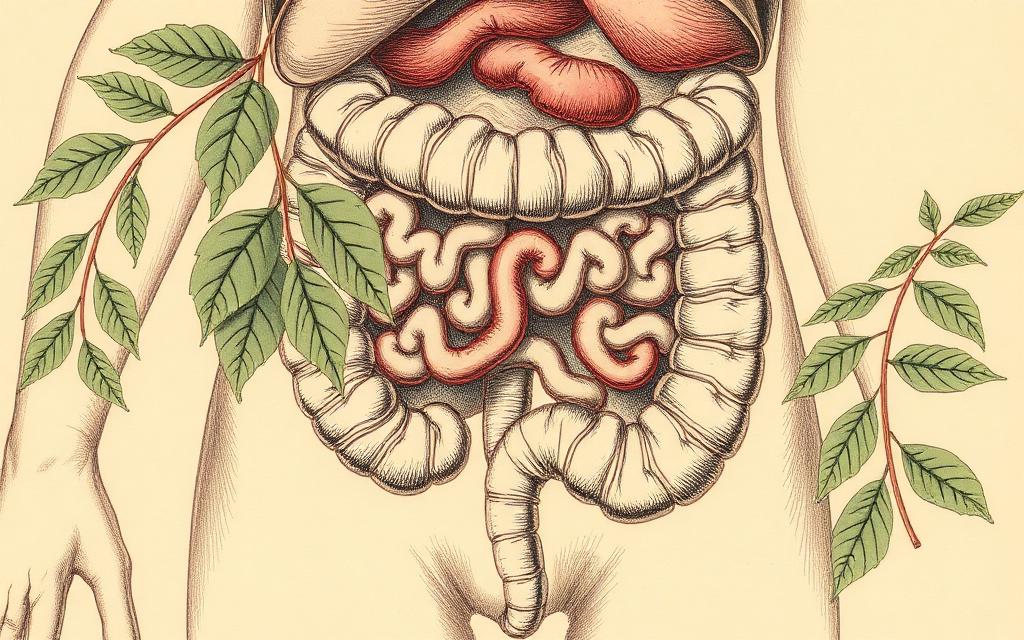
The gut microbiome is a diverse collection of bacteria, viruses, fungi, and other microbes residing primarily in our large intestine. While some might associate microbes with illness, many of these organisms are beneficial, performing essential functions for our body. They help digest food, synthesize vitamins (like vitamin K and some B vitamins), break down toxins, and even influence our mood and brain function through the gut-brain axis.
A healthy gut microbiome is characterized by a high diversity of beneficial species and a balance between different microbial populations. When this delicate balance is disrupted, a state known as dysbiosis, it can contribute to a cascade of health problems.
Gut Health and Immune System Function
Approximately 70-80% of our immune cells reside in the gut. This strategic placement underscores the gut's critical role in immune surveillance and response. A healthy gut lining acts as a protective barrier, preventing harmful substances and pathogens from entering the bloodstream. The gut microbiome continuously interacts with these immune cells, helping to train and regulate the immune system, distinguishing between harmless food particles and genuine threats.
Dysbiosis can weaken this gut barrier, leading to increased permeability, often termed "leaky gut." When the gut lining is compromised, undigested food particles, toxins, and microbes can seep into the bloodstream, triggering systemic inflammation and potentially contributing to autoimmune diseases, allergies, and increased susceptibility to infections.
Gut Health and Chronic Disease Prevention
Emerging research strongly links gut health to the prevention and management of numerous chronic diseases:
Metabolic Syndrome and Obesity
The gut microbiome influences how we metabolize food, store fat, and regulate blood sugar. Certain microbial profiles are associated with a higher risk of obesity, insulin resistance, and type 2 diabetes. A diverse gut microbiome can improve metabolic flexibility and reduce inflammation, contributing to healthier weight management.
Cardiovascular Disease
Some gut bacteria produce metabolites, such as trimethylamine N-oxide (TMAO), which have been linked to an increased risk of atherosclerosis and heart disease. Conversely, other beneficial bacteria produce short-chain fatty acids (SCFAs) like butyrate, which can promote cardiovascular health by reducing inflammation and improving lipid profiles.
Mental Health Conditions
The gut-brain axis is a bidirectional communication pathway between the gut and the brain. The gut microbiome influences neurotransmitter production (such as serotonin, often called the "happiness hormone"), inflammation, and stress responses. Dysbiosis has been implicated in conditions like anxiety, depression, and even neurological disorders like Parkinson's and Alzheimer's disease.
Inflammatory Bowel Disease (IBD) and Irritable Bowel Syndrome (IBS)
These chronic gut conditions are strongly associated with dysbiosis. While the exact mechanisms are complex, an imbalanced microbiome contributes to inflammation, altered gut motility, and increased visceral sensitivity, leading to symptoms like abdominal pain, bloating, and altered bowel habits.
Certain Cancers
Some gut bacteria can produce compounds that promote cell growth and DNA damage, potentially increasing the risk of certain cancers, particularly colorectal cancer. Conversely, a healthy microbiome can produce protective compounds and modulate immune responses to help prevent cancer development.
Strategies for Nurturing a Healthy Gut
Cultivating a diverse and balanced gut microbiome is a proactive step towards disease prevention. Here are evidence-based strategies:
- Eat a Diverse, Plant-Rich Diet: Emphasize whole, unprocessed foods, including a wide variety of fruits, vegetables, legumes, whole grains, nuts, and seeds. These foods are rich in fiber, which acts as prebiotics, feeding beneficial gut bacteria.
- Include Fermented Foods: Incorporate foods like yogurt, kefir, sauerkraut, kimchi, tempeh, and kombucha. These are natural sources of probiotics, introducing beneficial microbes into the gut.
- Limit Processed Foods, Sugar, and Artificial Sweeteners: These can negatively impact gut diversity and promote the growth of less beneficial bacteria.
- Stay Hydrated: Water is essential for maintaining gut motility and regularity.
- Manage Stress: Chronic stress can alter the gut microbiome and increase gut permeability. Practice stress-reduction techniques like meditation, yoga, or spending time in nature.
- Get Regular Physical Activity: Exercise has been shown to positively influence gut microbial diversity.
- Consider Probiotics and Prebiotics (when appropriate): While a food-first approach is ideal, some individuals may benefit from targeted probiotic or prebiotic supplements, guided by a healthcare professional.
- Use Antibiotics Judiciously: Antibiotics can disrupt the gut microbiome. Use them only when necessary and discuss strategies with your doctor to restore gut health afterward.
Conclusion
The evidence is clear: nurturing a healthy gut is not just about comfortable digestion; it's a fundamental aspect of overall health and disease prevention. By adopting a lifestyle that supports a thriving gut microbiome, we can empower our bodies to better protect against a wide range of chronic conditions and promote long-term well-being.
Disclaimer: The information provided in this article is for general knowledge and informational purposes only, and does not constitute medical advice. Always consult with a qualified healthcare professional for any health concerns or before making any decisions related to your health or treatment.
Related reading
- How Sleep Quality Impacts Health — Discover how the quality of your sleep profoundly affects your overall health, from physical well-being to mental clarit…
- The Role of Therapy in Wellness — Therapy plays a crucial role in enhancing mental wellness by providing tools and strategies for navigating life's challe…
- Cold Exposure Benefits Explained — Discover the potential health benefits of cold exposure, from boosting metabolism to improving mood and immune function.…
- Healthy Breakfast Ideas — Discover a variety of nutritious and delicious breakfast ideas to fuel your day, improve energy levels, and support over…
- The Role of Social Connection in Health — Discover how strong social connections are vital for both mental and physical health, going beyond mere friendship to im…
Written by
Health Hub Pro Editorial
Health writer at Health Hub Pro, focused on evidence-based, Sharia-conscious wellness.
View author profile →