How Much Exercise Does Your Dog Really Need by Breed and Age
A practical, evidence-informed guide to dog exercise needs — what matters, what works, common mistakes, and when to consult a professional.
For informational purposes only. This article is educational and is not a substitute for professional medical advice, diagnosis, or treatment. Always consult a qualified healthcare provider about anything affecting your health. Read full disclaimer.
How Much Exercise Does Your Dog Really Need by Breed and Age
(Not medical or veterinary advice — consult a qualified clinician or veterinarian for personal guidance.)
Introduction
Understanding a dog's exercise requirements is fundamental to their overall health, well-being, and behavior. Just as humans benefit from regular physical activity, dogs thrive on appropriate levels of movement and mental stimulation. However, there isn't a universal "one size fits all" answer to how much exercise a dog needs. Their requirements vary significantly based on a multitude of factors, with breed and age being two of the most prominent.
Providing adequate exercise goes beyond simply preventing obesity; it contributes to good cardiovascular health, strong muscles and bones, healthy digestion, and even mental stability. Underexercised dogs may exhibit behavioral issues such as excessive barking, destructive chewing, digging, or anxiety, while overexercised dogs, especially young or elderly ones, can suffer from joint damage, fatigue, or heat stress. This article aims to provide evidence-informed guidance on assessing your dog's specific needs, incorporating practical habits, and avoiding common pitfalls to ensure your canine companion leads a happy, healthy, and balanced life.
Why this matters
The impact of appropriate exercise extends across a dog's entire physiological and psychological spectrum. Physically, regular activity helps maintain a healthy weight, which is crucial in preventing conditions like diabetes, heart disease, and osteoarthritis, as highlighted by veterinary organizations such as the American Veterinary Medical Association (AVMA). It strengthens muscles, ligaments, and tendons, supporting joint health and reducing the risk of injuries. Cardiovascular fitness is also improved, leading to better stamina and overall resilience.
Beyond the physical, exercise is a powerful tool for mental and emotional well-being. It provides an outlet for natural canine behaviors like running, sniffing, and exploring, which are essential for mental stimulation. For many breeds, exercise helps channel instinctual drives, reducing boredom and stress. A mentally stimulated dog is generally calmer, more adaptable, and less prone to developing problematic behaviors. For instance, dogs that don't receive enough mental and physical enrichment may resort to destructive behaviors indoors or exhibit excessive vocalization due to pent-up energy and frustration.
Furthermore, exercise strengthens the bond between a dog and its human companion. Shared activities like walks, play, and training sessions build trust and enhance communication. It allows humans to observe their dog's physical condition and mood, fostering a deeper understanding of their needs. Neglecting a dog's exercise requirements can lead to a decline in their quality of life, potentially shortening their lifespan and increasing veterinary costs associated with preventable conditions. Conversely, meeting these needs contributes significantly to a long, joyful, and harmonious life together.
Key principles (evidence-informed)
Understanding the core principles behind canine exercise needs allows for a more tailored approach. These principles are generally recognized by veterinary bodies and animal welfare organizations.
Breed-Specific Traits
Different breeds were developed for specific purposes, and these historical roles heavily influence their exercise needs.
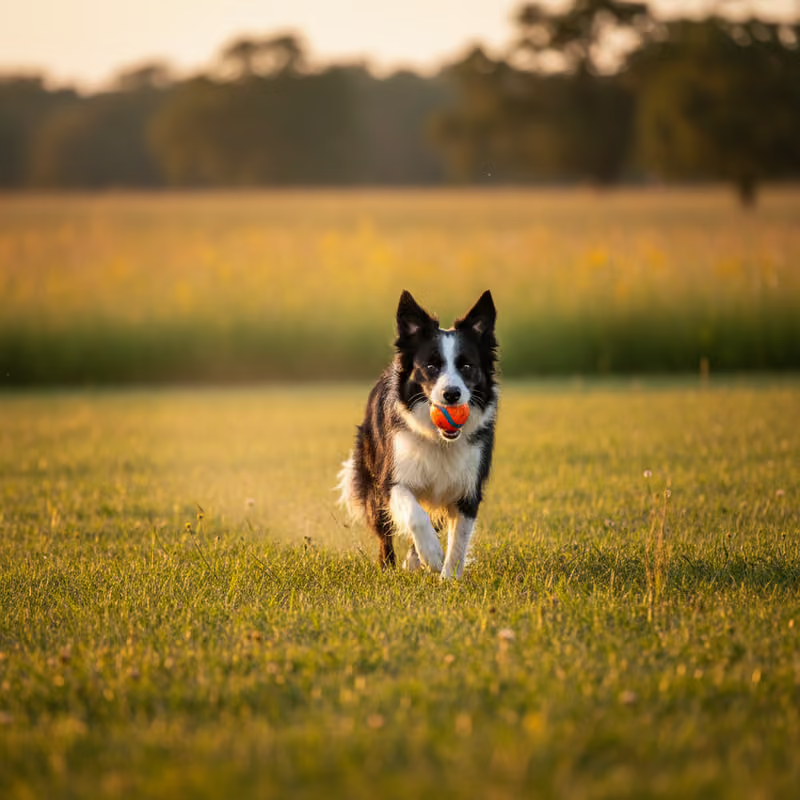
- Working Breeds (e.g., Border Collies, Australian Shepherds, German Shepherds): Bred for herding, guarding, or performing complex tasks, these dogs typically possess high intelligence and boundless energy. They require significant daily exercise, often including mentally stimulating activities like obedience training, agility, or puzzle games, in addition to vigorous physical exertion.
- Sporting/Hunting Breeds (e.g., Labradors, Golden Retrievers, Pointers): Designed for retrieving, tracking, and flushing game, these breeds often have high stamina and enjoy activities involving running, swimming, and fetching. They need ample opportunities for sustained physical activity and mental engagement.
- Terriers (e.g., Jack Russell Terriers, Fox Terriers): Bred for hunting vermin, terriers are known for their tenacity, high energy levels, and strong prey drive. They benefit from consistent, vigorous exercise, including activities that allow them to dig or chase safely.
- Hounds (e.g., Beagles, Greyhounds, Basset Hounds): While some hounds (like Greyhounds) are sprinters requiring bursts of speed followed by rest, others (like Beagles) are scent hounds needing long, leisurely walks to follow their noses. Their needs vary significantly within the group, but many benefit from extensive sniffing opportunities.
- Toy Breeds (e.g., Chihuahuas, Pomeranians, Shih Tzus): Despite their small size, many toy breeds are energetic and require regular, though often shorter, periods of activity. Daily walks and indoor play can be sufficient for many, but some, like the Miniature Pinscher, have higher energy.
- Giant Breeds (e.g., Great Danes, Mastiffs, Bernese Mountain Dogs): These breeds grow rapidly and are prone to joint issues. While adults need regular, moderate exercise to maintain muscle mass and prevent obesity, intense or prolonged activity, especially during puppyhood, should be avoided to protect their developing joints.
- Brachycephalic Breeds (e.g., Bulldogs, Pugs, Boston Terriers): Due to their unique facial structure, these breeds can have breathing difficulties, especially in hot or humid weather or during intense exertion. Their exercise should be moderate, short, and carefully monitored to prevent overheating and respiratory distress.
Age-Specific Considerations
A dog's exercise needs change dramatically throughout its life stages.
- Puppies (up to 1 year, varies by breed): Puppies have delicate growth plates that can be easily damaged by excessive or high-impact exercise. Short, frequent play sessions (5 minutes per month of age, twice a day, is a common guideline) are more appropriate than long, strenuous activities. Focus on socialization, controlled play, and short walks. Controlled environments are crucial to prevent injury.
- Adolescents (1-2 years, varies by breed): As growth plates close, most dogs enter their peak energy phase. This is when many breeds can handle more intense and prolonged exercise. This stage is ideal for structured training, advanced play, and exploring various activities.
- Adults (2-6/7 years, varies by breed): Healthy adult dogs generally require consistent, regular exercise appropriate for their breed and individual stamina. This typically includes one to two significant daily outings, combining walks, runs, and mental stimulation.
- Seniors (7+ years, varies by breed): As dogs age, their energy levels naturally decline, and they may develop age-related conditions like arthritis or reduced vision/hearing. Exercise should become gentler and shorter but remain consistent to maintain muscle tone, joint flexibility, and mental engagement. Swimming, slow walks, and gentle play are often excellent choices. Regular veterinary check-ups, as recommended by the World Small Animal Veterinary Association (WSAVA), are crucial to tailor exercise routines.
Individual Factors
Beyond breed and age, several individual factors influence a dog's exercise needs.
- Health Status: Dogs with underlying health conditions (e.g., heart disease, respiratory issues, orthopedic problems, obesity) will have significantly modified exercise requirements. A veterinarian can provide specific guidance.
- Temperament and Energy Level: Even within a breed, individual dogs can have varying energy levels. Some may be naturally more rambunctious, while others are content with less activity.
- Diet: A dog's diet directly impacts its energy levels and ability to sustain activity. A balanced, high-quality diet is essential.
- Climate: Hot, humid, or extremely cold weather can limit exercise duration and intensity for all dogs, especially those prone to heatstroke or hypothermia.
- Weight: Overweight dogs need a carefully managed exercise program to avoid putting undue stress on their joints.
Understanding these interconnected principles helps pet owners create a sustainable and beneficial exercise regimen for their dogs, ensuring their physical health and mental well-being are consistently supported.
Practical daily habits
Incorporating effective exercise into your dog's daily routine doesn't always require grand gestures; consistency and variety are key.
- Daily Walks (Non-negotiable for most): For nearly all dogs, daily walks are a fundamental aspect of exercise. These aren't just about physical movement; they offer crucial mental stimulation through sniffing, exploring new sights and sounds, and interacting with their environment. The duration and intensity will vary by breed and age, but aim for at least two shorter walks (20-30 minutes each) or one longer walk (45-60 minutes) for most healthy adult dogs. High-energy breeds may require longer or more frequent walks. For brachycephalic breeds, monitor for signs of distress and consider cooler times of day.
- Structured Playtime: This involves actively engaging with your dog.
- Fetch: An excellent way to burn energy for retrievers and other active breeds. Use appropriate toys and surfaces to minimize joint impact.
- Tug-of-War: A great outlet for energy and a way to practice impulse control. Ensure your dog understands "drop it."
- Chasing games: If you have a secure, fenced yard, supervised chasing games can be highly enjoyable.
- Flirt Poles: These are excellent for dogs with a high prey drive, allowing them to chase and pounce on a lure without putting stress on a human's arm.
- Mental Stimulation (Crucial for all, especially high-intelligence breeds):
- Puzzle Toys: Food-dispensing toys or puzzle feeders challenge a dog to "work" for their food, slowing down eating and engaging their brains.
- Training Sessions: Even short, 5-10 minute training sessions daily can be mentally exhausting for a dog. Practice basic obedience, learn new tricks, or work on advanced skills.
- Nose Work/Scent Games: Hiding treats around the house or yard and encouraging your dog to find them taps into their natural scenting abilities and provides immense mental satisfaction.
- "Deconstructed Walks": Instead of a brisk walk, allow your dog to sniff extensively. The mental effort of processing scents is surprisingly tiring.
- Dog Parks (with caution): For well-socialized dogs, dog parks can offer opportunities for off-leash running and interaction with other dogs. Always supervise closely and be aware of your dog's comfort level and the behavior of other dogs. Ensure your dog has a reliable recall.
- Canine Sports: For highly energetic or intelligent dogs, activities like agility, flyball, disc dog, or dock diving can be incredibly rewarding outlets for their specific talents and energy. Consult with a veterinarian before starting any intensive sports, especially for growing puppies or senior dogs.
- Swimming: A low-impact exercise that is excellent for joint health and muscle conditioning, particularly beneficial for older dogs or those recovering from injuries. Always supervise and ensure the dog's safety.
- Vary the Routine: Dogs, like humans, can get bored with the same routine. Vary your walking routes, introduce new games, or explore different dog-friendly locations to keep things interesting and provide novel sensory experiences.
- Weather Considerations: Be mindful of extreme temperatures. In hot weather, exercise during the cooler parts of the day (early morning, late evening) and provide plenty of water. For brachycephalic breeds, even moderate heat can be dangerous. In cold weather, ensure short-haired dogs have appropriate protection, and protect paws from ice and salt.
Consistency is more important than sporadic bursts of intense activity. Aim to incorporate a mix of physical and mental exercise into each day to keep your dog healthy, happy, and well-behaved.
Common mistakes to avoid
Even with the best intentions, dog owners can inadvertently make mistakes when it comes to their dog's exercise routine. Being aware of these can help prevent issues and ensure your dog's well-being.
- Over-exercising Puppies: This is a very common and potentially damaging mistake, particularly for large and giant breeds. Their growth plates are still developing and are vulnerable to injury from excessive running, jumping, or long-duration exercise. This can lead to orthopedic problems later in life, such as hip and elbow dysplasia. Stick to short, frequent play sessions and controlled walks on soft surfaces. The World Small Animal Veterinary Association (WSAVA) emphasizes the importance of avoiding high-impact activities in growing puppies.
- Under-exercising High-Energy Breeds: Many owners underestimate the significant energy output required by working and sporting breeds. A short walk around the block is often insufficient for a Border Collie, Labrador, or German Shepherd. This can lead to behavioral issues like destructiveness, excessive barking, anxiety, and general restlessness.
- Ignoring Individual Needs: Assuming all dogs of a certain breed or age require the exact same amount of exercise is a mistake. Health conditions, temperament, and even environmental factors (e.g., heat, humidity) should always be taken into account. For instance, a dog with early arthritis needs a different exercise plan than a perfectly healthy one of the same breed and age.
- Focusing Only on Physical Exercise: Mental stimulation is just as important as physical activity for a dog's overall well-being. A dog that is physically tired but mentally bored can still be destructive or anxious. Neglecting mental exercise, especially for intelligent breeds, is a common oversight.
- Lack of Consistency: Sporadic exercise (e.g., a huge hike on Saturday but nothing for the rest of the week) is less beneficial than consistent, moderate daily activity. Dogs thrive on routine and regular outlets for their energy.
- Exercising in Extreme Weather: Pushing a dog to exercise in very hot or humid conditions can lead to heatstroke, which is a life-threatening emergency. Similarly, exercising without proper paw protection or for too long in freezing temperatures can cause hypothermia or frostbite. Brachycephalic breeds are particularly susceptible to heat-related issues.
- Using Retractable Leashes for Exercise: While they might seem to offer more freedom, retractable leashes can be dangerous. They offer less control, can lead to sudden jerks and injuries for both dog and handler, and don't teach a dog to walk politely on a loose leash. A standard 6-foot leash is generally recommended for walks.
- Allowing Uncontrolled Off-Leash Play in Unsafe Environments: While off-leash play is wonderful, it must be done in secure, supervised areas. Allowing a dog off-leash near busy roads or in unfamiliar areas where they might encounter aggressive dogs or wildlife can lead to injury, loss, or dangerous situations.
- Not Consulting a Veterinarian: Before starting any new, intensive exercise regimen, especially for puppies, senior dogs, or dogs with pre-existing health conditions, consulting with a veterinarian is paramount. They can assess your dog's health and provide tailored recommendations, as emphasized by organizations like the American Veterinary Medical Association (AVMA).
Avoiding these common pitfalls will contribute significantly to your dog's long-term health, safety, and happiness.
When to see a professional
Recognizing when your dog's exercise needs are not being met, or when exercise is causing problems, is crucial for their well-being. A veterinary professional can provide tailored advice and assess underlying issues.
Consult a veterinarian if you observe any of the following:
- Changes in Energy Levels: A sudden and sustained increase in hyperactivity or restlessness, even after seemingly adequate exercise, could indicate boredom, anxiety, or an underlying medical issue. Conversely, a significant decrease in energy, lethargy, or reluctance to exercise could be a sign of pain, illness, or aging.
- Behavioral Issues Related to Underexercise: Destructive chewing, excessive barking, digging, house-soiling (after being house-trained), anxiety, pacing, or aggression that seems to stem from pent-up energy or boredom warrant a veterinary visit to rule out medical causes and discuss behavioral management, which often includes a revised exercise plan.
- Signs of Pain or Discomfort During/After Exercise: Limping, stiffness, lameness, reluctance to jump or climb stairs, favoring a limb, vocalizing during movement, or difficulty rising after rest could indicate orthopedic issues (e.g., arthritis, hip/elbow dysplasia, ligament injuries) that require veterinary diagnosis and management.
- Difficulty Breathing or Overheating: Excessive panting, labored breathing, blue-tinged gums, collapse, or profound fatigue during or after exercise, especially in mild conditions, are emergencies. This could indicate heart conditions, respiratory issues, or an inability to regulate body temperature. Brachycephalic breeds are particularly prone to these issues.
- Sudden Weight Changes: Significant weight gain despite a seemingly appropriate diet and exercise could suggest a metabolic or hormonal issue. Unexplained weight loss could also indicate illness. A veterinarian can help determine if diet, exercise, or a medical condition is the cause.
- Concerns About Puppy Growth and Development: If you have a large or giant breed puppy and are unsure about appropriate exercise levels to protect their developing joints, or if you notice any awkward gait or lameness, seek veterinary guidance immediately.
- Before Starting an Intensive Exercise Program: If you plan to train your dog for agility, running, or any strenuous canine sport, a pre-exercise veterinary check-up is advisable to ensure they are physically sound and to discuss appropriate conditioning.
- Senior Dog Exercise Adjustments: As dogs age, their needs change. Consult your veterinarian regularly to adjust their exercise routine, manage any age-related conditions, and explore low-impact options.
- Anytime You Are Unsure: If you have general concerns about whether your dog is getting too much or too little exercise, or if their current routine seems ineffective or harmful, a veterinary consultation is always the best course of action.
Veterinarians, such as those recommended by the American Veterinary Medical Association (AVMA) or the World Small Animal Veterinary Association (WSAVA), are equipped to conduct a thorough physical examination, recommend diagnostic tests if necessary, and provide evidence-based recommendations tailored to your dog's specific health status, breed, age, and lifestyle.
Frequently asked questions
What are common signs my dog isn't getting enough exercise?
Common signs your dog isn't getting enough exercise include destructive behaviors (chewing furniture, digging), excessive barking or whining, restlessness or pacing indoors, difficulty settling down, anxiety, inappropriate urination or defecation (after being house-trained), obesity, and sometimes even aggression or hyperactivity that seems out of control. Many of these behaviors stem from boredom, pent-up energy, or a lack of mental stimulation.
How does climate affect a dog's exercise routine?
Climate significantly impacts exercise safety and duration. In hot and humid weather, dogs are prone to overheating and heatstroke, especially brachycephalic breeds or those with thick coats. Exercise should be limited to cooler parts of the day (early morning, late evening), be shorter, and involve plenty of water and shade. In cold weather, protect paws from ice and salt, and ensure short-haired dogs have appropriate outerwear. Older dogs and puppies are also more susceptible to temperature extremes.
Can mental exercise replace physical exercise for dogs?
While mental exercise is crucial and complements physical activity, it generally cannot fully replace it. Mental stimulation, such as puzzle toys, training, and scent games, tires a dog's brain and helps satisfy their innate drives. However, most dogs still require physical movement for cardiovascular health, muscle tone, weight management, and to burn off physical energy. The ideal approach is a balanced combination of both.
How much exercise does a senior dog need?
Senior dogs typically need less intense and shorter durations of exercise compared to their younger adult selves. The focus shifts to maintaining mobility, muscle mass, and mental engagement without overtaxing their joints or cardiovascular system. Gentle, consistent walks (e.g., two to three 15-20 minute walks a day), swimming, and gentle play are often recommended. Always monitor for signs of pain or fatigue and adjust based on individual health conditions, as advised by your veterinarian.
Are there any breeds that need very little exercise?
While all dogs benefit from some level of activity, some breeds are known for having lower exercise requirements. These often include certain toy breeds like the Shih Tzu or Maltese, or some giant breeds like the Great Dane or Mastiff (once fully grown, their exercise should be moderate and careful due to joint concerns). Even these breeds still benefit from daily walks for mental enrichment and maintaining mobility, but they typically don't require intense, prolonged activity. Brachycephalic breeds, due to their breathing challenges, also require very careful and often minimal exercise.
Key takeaways
- Breed Matters: A dog's breed offers strong clues about its inherent energy levels and exercise requirements, stemming from their original purpose.
- Age Adjustments are Crucial: Exercise needs change dramatically from puppyhood (short, frequent, low-impact) to adulthood (peak activity) to senior years (gentler, consistent, and modified).
- Individual Factors are Key: Beyond breed and age, consider your dog's unique health status, temperament, and the environment when planning exercise.
- Balance Physical and Mental: Both physical exertion (walks, play) and mental stimulation (puzzle toys, training, scent games) are essential for a dog's overall well-being.
- Consistency Over Intensity: Regular, moderate daily activity is generally more beneficial than sporadic, intense bursts of exercise.
- Watch for Signs: Pay close attention to your dog's behavior, energy levels, and physical condition during and after exercise to avoid over- or under-exertion.
- Consult Your Veterinarian: Always seek professional advice for concerns about your dog's exercise routine, especially for puppies, seniors, or dogs with health conditions.
Related reading
Keep exploring this topic with our related, evidence-reviewed guides:
- Hydration Explained: How Much Water You Really Need Each Day — A practical, evidence-informed guide to how much water per day — what matters, what works, common mistakes, and when to consult a …
- Animal Behavior and Welfare: The Five Domains Explained — A practical, evidence-informed guide to animal welfare — what matters, what works, common mistakes, and when to consult a professi…
- Litter Box Health: What Your Cat's Habits Reveal — A practical, evidence-informed guide to litter box problems — what matters, what works, common mistakes, and when to consult a pro…
- Dog Skin and Coat Health: Allergies, Itching, and Grooming — A practical, evidence-informed guide to dog skin allergies — what matters, what works, common mistakes, and when to consult a prof…
- Protein Requirements by Age and Activity Level, Explained — A practical, evidence-informed guide to protein needs — what matters, what works, common mistakes, and when to consult a professio…
- Indoor Cat Enrichment: Preventing Boredom, Stress, and Overeating — A practical, evidence-informed guide to indoor cat enrichment — what matters, what works, common mistakes, and when to consult a p…
Sources
- American Veterinary Medical Association (AVMA)
- World Small Animal Veterinary Association (WSAVA)
- Mayo Clinic
Sources
Evidence & citations
- Every claim in this animal health guide is backed by primary data — browse the zoonotic and one-health statistics in our sourced statistics library.
- Writing about this topic? Researchers, journalists and educators can cite our animal health guidance with ready-made APA, MLA and Chicago references.
My notes on this one
The short version of 15 minutes of reading — what stuck with me while writing “How Much Exercise Does Your Dog Really Need by Breed and Age”, what the sources back up, and what I'd actually do about it.
What I'd take away
01 · Why this matters
For instance, dogs that don't receive enough mental and physical enrichment may resort to destructive behaviors indoors or exhibit excessive vocalization due to pent-up energy and frustration.
02 · Key principles
Understanding the core principles behind canine exercise needs allows for a more tailored approach.
03 · Breed-Specific Traits
Different breeds were developed for specific purposes, and these historical roles heavily influence their exercise needs.
04 · Age-Specific Considerations
A dog's exercise needs change dramatically throughout its life stages.
05 · Individual Factors
Understanding these interconnected principles helps pet owners create a sustainable and beneficial exercise regimen for their dogs…
What the sources I read actually say
Physically, regular activity helps maintain a healthy weight, which is crucial in preventing conditions like diabetes, heart disease, and osteoarthritis…
World Health OrganizationHealth Status: Dogs with underlying health conditions (e.g., heart disease, respiratory issues, orthopedic problems, obesity) will have significantly modified exercise requirements…
Centers for Disease Control and Prevention
If you only do one thing this week
- Training Sessions — Even short, 5-10 minute training sessions daily can be mentally exhausting for a dog. Practice basic obedience, learn new tricks, or work on advanced skills.
- Aim to incorporate a mix of physical and mental exercise into each day to keep your dog healthy, happy, and well-behaved.
- Gentle, consistent walks (e.g., two to three 15-20 minute walks a day), swimming, and gentle play are often recommended.
Pick the one that fits your week. None of this replaces advice from a clinician who can actually examine you.
Questions I kept coming back to
What are common signs my dog isn't getting enough exercise?+
Common signs your dog isn't getting enough exercise include destructive behaviors (chewing furniture, digging), excessive barking or whining, restlessness or pacing indoors, difficulty settling down, anxiety, inappropriate urination or defecation (after being house-trained), obesity, and sometimes even aggression or hyperactivity that seems out of control. Many of these behaviors stem from boredom, pent-up energy…
How does climate affect a dog's exercise routine?+
Climate significantly impacts exercise safety and duration. In hot and humid weather, dogs are prone to overheating and heatstroke, especially brachycephalic breeds or those with thick coats. Exercise should be limited to cooler parts of the day (early morning, late evening), be shorter, and involve plenty of water and shade. In cold weather, protect paws from ice and salt…
Can mental exercise replace physical exercise for dogs?+
While mental exercise is crucial and complements physical activity, it generally cannot fully replace it. Mental stimulation, such as puzzle toys, training, and scent games, tires a dog's brain and helps satisfy their innate drives. However, most dogs still require physical movement for cardiovascular health, muscle tone, weight management, and to burn off physical energy…
How much exercise does a senior dog need?+
Senior dogs typically need less intense and shorter durations of exercise compared to their younger adult selves. The focus shifts to maintaining mobility, muscle mass, and mental engagement without overtaxing their joints or cardiovascular system. Gentle, consistent walks (e.g., two to three 15-20 minute walks a day), swimming, and gentle play are often recommended…
Are there any breeds that need very little exercise?+
While all dogs benefit from some level of activity, some breeds are known for having lower exercise requirements. These often include certain toy breeds like the Shih Tzu or Maltese, or some giant breeds like the Great Dane or Mastiff (once fully grown, their exercise should be moderate and careful due to joint concerns)…
Was this article helpful?
Be the first to rate this article.
Written by
FaizRuh
I write Health Hub Pro on my own — no clinical licence, no anonymous review panel. Just the published guidance, read carefully and explained plainly.
More about me →How this page was checked
Every claim above is checked against the sources listed at the bottom of this article — WHO, CDC, NIH, NHS, Cochrane and major clinical guidelines. Drafting is AI-assisted; the editing, fact-checking and final wording are mine. It's information, not medical advice. Spotted an error? Tell me and I'll fix it.
Last checked on