Fenugreek: Traditional Uses
Fenugreek has been used traditionally for digestion and lactation. Evidence is mixed; discuss with a clinician.
For informational purposes only. This article is educational and is not a substitute for professional medical advice, diagnosis, or treatment. Always consult a qualified healthcare provider about anything affecting your health. Read full disclaimer.
Introduction
Fenugreek (scientific name: Trigonella foenum-graecum) is an herb that has been valued for centuries in various traditional medicine systems, including Ayurveda and Traditional Chinese Medicine. Its seeds and leaves are commonly used as a spice in cooking, a flavoring agent, and traditionally, for its purported medicinal properties. Historically, fenugreek has been cited for its role in digestive support and its potential to aid lactation. While its traditional uses are extensive, contemporary scientific inquiry aims to clarify the mechanisms and efficacy behind these longstanding practices. This pillar piece will explore the traditional uses of fenugreek, examine the current evidence supporting or refuting these claims, discuss potential side effects, and outline when consultation with a healthcare professional is advisable.
What causes it (evidence-based)
Fenugreek's traditional applications are generally attributed to its rich composition of bioactive compounds. These include soluble fiber (galactomannan), steroidal saponins (such as diosgenin), alkaloids (like trigonelline and choline), flavonoids, and various amino acids. The interplay of these constituents is believed to contribute to its observed effects, though the precise mechanisms are still areas of ongoing research.
Traditional Uses and Supporting/Refuting Evidence:
Digestive Health
Historically, fenugreek has been used to address various digestive issues. Its mucilaginous fiber content is thought to contribute to its traditional use as a bulk-forming laxative and a demulcent, which can soothe irritated mucous membranes in the gastrointestinal tract.
- Constipation: The soluble fiber in fenugreek seeds forms a gel-like substance when mixed with water, which can soften stools and promote regularity.
- Indigestion and Heartburn: Traditional practitioners have used fenugreek to relieve symptoms of indigestion and heartburn, possibly due to its mucilage content creating a protective barrier in the stomach lining. Some preliminary studies suggest fenugreek may help reduce symptoms of heartburn. (Mayo Clinic)
Lactation Support
One of the most well-known traditional uses of fenugreek is as a galactagogue—a substance that promotes or increases the flow of a mother's milk. This use is prevalent in many cultures.
- Mechanism: While the exact mechanism is not fully understood, it is hypothesized that diosgenin, a steroidal saponin in fenugreek, may stimulate prolactin production, a hormone essential for milk synthesis.
- Evidence: Some studies and systematic reviews have indicated that fenugreek may increase breast milk supply in some individuals, particularly in the early postpartum period. However, the quality of evidence varies, and more robust research is needed to establish definitive efficacy and optimal dosing. (Cochrane Library)
Blood Sugar Management
Fenugreek has been traditionally used in some cultures to help manage blood sugar levels, particularly in individuals with diabetes.
- Mechanism: The soluble fiber, galactomannan, can slow down glucose absorption in the intestines. Additionally, amino acids like 4-hydroxyisoleucine are thought to enhance insulin secretion and improve insulin sensitivity.
- Evidence: Several clinical trials have investigated fenugreek's impact on glucose control. Some studies suggest that fenugreek seeds may modestly lower fasting blood glucose and improve glycemic control in individuals with type 2 diabetes. However, fenugreek is not a substitute for conventional diabetes treatment, and its use should always be discussed with a healthcare provider, especially due to potential interactions with medications. (NIH)
Cholesterol Management
Traditional medicine has also looked to fenugreek for its potential role in managing cholesterol levels.
- Mechanism: The fiber and saponins in fenugreek may interfere with cholesterol absorption in the gut and increase cholesterol excretion.
- Evidence: Some research indicates that fenugreek may help reduce total cholesterol, LDL ("bad") cholesterol, and triglyceride levels, while potentially increasing HDL ("good") cholesterol. However, these effects are generally modest, and further research is warranted. (NIH)
Other Traditional Uses
- Inflammation: Fenugreek has been used topically as a poultice for inflammation and internally for conditions like arthritis due to its purported anti-inflammatory properties.
- Appetite Stimulation: In some traditions, fenugreek has been used as an appetite stimulant.
- Menstrual Cramps: Some traditional practices suggest fenugreek may help alleviate menstrual pain, possibly due to its anti-inflammatory effects.
Symptoms and warning signs
When considering fenugreek, it's important to be aware of potential symptoms or warning signs that might indicate an adverse reaction or an unsuitable use.
Common Side Effects:
- Gastrointestinal Distress: The most commonly reported side effects are gastrointestinal in nature, including diarrhea, nausea, and stomach upset. This is often due to its high fiber content, especially when consumed in large amounts or without adequate fluid intake.
- Maple Syrup Odor: Fenugreek can impart a distinct maple syrup-like odor to urine, sweat, and breast milk. While generally harmless, some individuals may find it bothersome.
- Allergic Reactions: Though rare, allergic reactions can occur, particularly in individuals with allergies to other legumes (e.g., peanuts, chickpeas, soybeans). Symptoms might include rash, itching, swelling, or difficulty breathing.
- Hypoglycemia: In individuals taking medications for diabetes, fenugreek's potential to lower blood sugar could lead to hypoglycemia (low blood sugar), characterized by symptoms like sweating, shakiness, confusion, rapid heartbeat, and blurred vision.
Warning Signs Requiring Immediate Attention:
- Severe Allergic Reaction: Difficulty breathing, wheezing, significant swelling of the face or throat, or a widespread rash requires immediate medical attention.
- Severe Hypoglycemia: If experiencing extreme shakiness, confusion, loss of consciousness, or seizures, seek emergency medical care.
Interactions to be Aware Of:
- Blood Thinners: Fenugreek may have anti-platelet effects, potentially increasing the risk of bleeding when taken with anticoagulant or antiplatelet medications (e.g., warfarin, aspirin).
- Diabetes Medications: As mentioned, fenugreek can lower blood sugar, which could lead to excessively low blood sugar when combined with insulin or oral hypoglycemic drugs.
- Thyroid Hormones: Some research suggests fenugreek may interfere with the absorption or action of thyroid hormones. Individuals with thyroid conditions should exercise caution.
When to see a clinician
It is important to approach the use of fenugreek, especially for medicinal purposes, with caution and informed guidance. Consultation with a qualified healthcare professional is crucial in several circumstances to ensure safety and appropriateness.
Consider seeing a clinician if:
- You are pregnant or breastfeeding: While traditionally used for lactation, the safety and optimal dosing of fenugreek during pregnancy are not well-established, and it may stimulate uterine contractions. A clinician can provide personalized advice.
- You have a pre-existing medical condition: Especially if you have diabetes, a bleeding disorder, a thyroid condition, hormone-sensitive cancers, or are scheduled for surgery.
- You are taking any medications: This includes prescription drugs, over-the-counter medications, and other herbal supplements, due to potential interactions.
- You experience any adverse effects: Such as severe gastrointestinal upset, allergic reactions, signs of low blood sugar, or unusual bleeding.
- You are considering using fenugreek for a specific health concern: A clinician can help determine if fenugreek is appropriate for your condition and advise on suitable dosages and forms.
- Your symptoms persist or worsen: If you are using fenugreek for a traditional purpose and your condition does not improve or deteriorates, seeking medical advice is essential.
- You have allergies to legumes: Given fenugreek is a legume, cross-reactivity is possible, and a clinician can assess your risk.
Disclaimer: This information is for educational purposes only and is not a substitute for professional medical advice, diagnosis, or treatment. Always seek the advice of your physician or other qualified health provider with any questions you may have regarding a medical condition.
Treatment and management options
When considering fenugreek for a specific health concern, proper "treatment" and management involve understanding its forms, appropriate dosages, and integration with conventional care. It's crucial to remember that fenugreek is not a standalone treatment for serious medical conditions and should be used under the guidance of a healthcare professional.
Forms of Fenugreek:
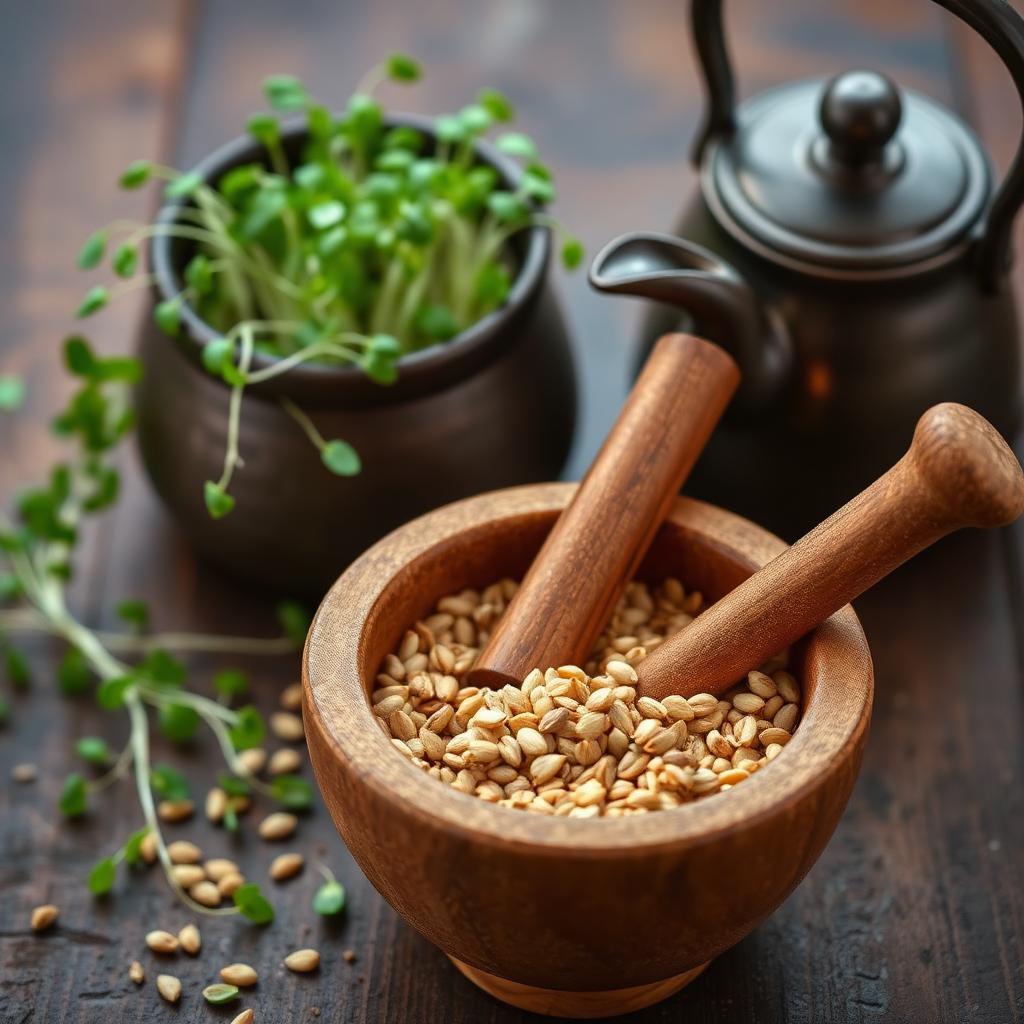
- Seeds: Whole or powdered fenugreek seeds are commonly used. They can be soaked, sprouted, ground into flour, or incorporated into dishes.
- Extracts and Supplements: Fenugreek is available in capsule, tablet, or liquid extract forms, standardized to contain specific concentrations of active compounds.
- Leaves: The fresh or dried leaves are used as an herb in cooking.
General Guidelines for Use (always consult a clinician for personalized advice):
- Dosage: Dosages vary significantly depending on the form, concentration, and intended use. For digestive support, lower doses might be used, while for lactation or blood sugar management, higher doses have been explored in research. For example, studies on blood sugar management have used doses ranging from 1 to 25 grams of fenugreek seed powder, often divided throughout the day. For lactation, various doses of extracts or seed powder have been used, with some suggesting 3.5 grams of powdered seed three times a day.
- Gradual Introduction: Start with a low dose and gradually increase to assess tolerance and minimize gastrointestinal side effects.
- Hydration: Due to its high fiber content, it's important to maintain adequate fluid intake when consuming fenugreek seeds or supplements to prevent constipation or digestive discomfort.
- Monitoring: If using fenugreek for blood sugar or cholesterol management, regular monitoring of these parameters by a clinician is essential.
- Integration with Conventional Medicine: Fenugreek should not replace prescribed medications. Instead, it may be considered as an adjunct therapy under medical supervision. For instance, individuals with diabetes should continue their conventional medications and monitor their blood glucose levels closely to prevent hypoglycemia.
Specific Considerations:
- Lactation: While often used as a galactagogue, efficacy is not universal, and some individuals may not respond. Discontinue if no benefit is observed or if adverse effects occur.
- Digestive Issues: For heartburn or indigestion, consider using fenugreek before meals. For constipation, ensure high water intake.
- Surgery: Discontinue fenugreek at least two weeks before any scheduled surgery due to its potential anti-platelet effects. (AHA)
Prevention and daily habits
Incorporating fenugreek into a daily routine, especially for its traditional preventative benefits, should be part of a broader healthy lifestyle. While it may offer certain advantages, it is not a magic bullet.
Dietary Integration for General Wellness:
- Cooking: Fenugreek seeds can be lightly roasted and ground to add flavor to curries, stews, and vegetable dishes. Fenugreek leaves (methi) are also used in various cuisines.
- Soaking: Soaking fenugreek seeds overnight and consuming them in the morning may aid digestion and provide a fiber boost.
- Sprouting: Sprouted fenugreek seeds can be added to salads or sandwiches.
Lifestyle Habits to Complement Fenugreek Use:
- Balanced Diet: Prioritize a diet rich in whole foods, including fruits, vegetables, lean proteins, and whole grains. This provides essential nutrients and fiber, supporting overall health and potentially enhancing the benefits of fenugreek. (WHO)
- Regular Physical Activity: Engage in consistent exercise. Physical activity helps manage weight, improves cardiovascular health, and contributes to better blood sugar regulation. (CDC)
- Stress Management: Chronic stress can impact digestive health, hormone balance, and overall well-being. Incorporate stress-reducing techniques like meditation, yoga, or spending time in nature. (NIH)
- Adequate Sleep: Aim for 7-9 hours of quality sleep per night. Sleep deprivation can negatively affect metabolism, hormone regulation, and immune function. (CDC)
- Hydration: Drink plenty of water throughout the day. This is particularly important when consuming high-fiber foods like fenugreek to prevent digestive issues.
Cautions for Preventative Use:
- Even when using fenugreek for general wellness or preventative measures, be mindful of potential side effects and interactions.
- Do not exceed recommended dosages without consulting a clinician.
- Remember that "natural" does not always mean "safe" for everyone, especially if you have underlying health conditions or are on medication.
By integrating fenugreek thoughtfully into a holistic approach to health, individuals can potentially leverage its traditional benefits while maintaining a focus on overall well-being.
Frequently asked questions
Q1: Is fenugreek safe for everyone?
A: No, fenugreek is not safe for everyone. Individuals who are pregnant, breastfeeding (without clinical guidance), have legume allergies, bleeding disorders, diabetes, or thyroid conditions should exercise caution or avoid it. It can also interact with certain medications. Always consult a healthcare professional before starting fenugreek supplementation.
Q2: How long does it take for fenugreek to show effects, for example, for lactation?
A: The timeframe for fenugreek to show effects can vary. For lactation, some individuals report noticing an increase in milk supply within 24 to 72 hours, while for others, it may take a week or longer. For blood sugar management, consistent use over several weeks may be needed to observe modest changes. Individual responses can differ widely.
Q3: Can fenugreek help with weight loss?
A: While fenugreek is high in soluble fiber, which can promote satiety and may help with appetite control, there is limited strong scientific evidence directly linking fenugreek supplementation to significant weight loss in humans. Its role in weight management is likely indirect through its effects on digestion and blood sugar, but it is not a primary weight loss aid.
Q4: Does fenugreek interact with commonly used medications?
A: Yes, fenugreek can interact with several types of medications. It may enhance the effects of diabetes medications, leading to hypoglycemia. It can also increase the risk of bleeding when taken with anticoagulant or anti-platelet drugs. Additionally, it might interfere with the absorption of thyroid hormones. Always disclose all supplements you are taking to your healthcare provider.
Q5: What is the recommended daily dosage of fenugreek?
A: There is no universally standardized "recommended daily dosage" for fenugreek, as it varies depending on the intended use, the form of fenugreek (seeds, extract, powder), and individual factors. Doses used in studies for blood sugar management range from 1 to 25 grams of seed powder daily, while for lactation, around 3.5 grams of powder taken three times a day has been suggested. It is crucial to follow the guidance of a healthcare professional or the directions on a reputable product, starting with a lower dose to assess tolerance.
Key takeaways
- Fenugreek (Trigonella foenum-graecum) has a long history of traditional use in various cultures, particularly for digestive health, lactation support, and blood sugar management.
- Its purported benefits are attributed to its rich composition of soluble fiber, saponins, and other bioactive compounds.
- Scientific evidence for its traditional uses is mixed, with some studies showing modest benefits for conditions like blood sugar control and lactation, while more robust research is often needed.
- Common side effects include gastrointestinal upset and a maple syrup-like odor in bodily secretions.
- Fenugreek can interact with medications, especially those for diabetes and blood thinners, and may not be suitable for everyone, particularly pregnant individuals or those with certain medical conditions.
- Always consult a qualified healthcare professional before using fenugreek, especially if you have pre-existing health conditions, are taking medications, or are pregnant or breastfeeding.
- Fenugreek should be considered an adjunct to, not a replacement for, conventional medical treatment and a healthy lifestyle.
Sources
- World Health Organization (WHO)
- Centers for Disease Control and Prevention (CDC)
- National Institutes of Health (NIH)
- American Heart Association (AHA)
- Mayo Clinic
- Cochrane Library
Related reading
- Barley (Talbina) as a Nutritional Sunnah — Talbina, a barley porridge recommended by the Prophet ﷺ, is fiber-rich, gentle on digestion, and traditionally used to c…
- Turmeric and Curcumin: Uses and Cautions — Curcumin has anti-inflammatory effects. Bioavailability is low without piperine; those on blood thinners should consult …
- Ashwagandha: Uses, Evidence, and Safety — Ashwagandha shows promise for stress and sleep in small studies; not recommended in pregnancy.
- Bone Broth Benefits — Discover the potential health benefits of bone broth, a nutrient-rich liquid celebrated for its traditional uses in supp…
- Herbal Teas for Digestion — Discover the soothing power of herbal teas for digestive health. This article explores safe, evidence-based options to c…
Written by
Health Hub Pro Editorial
Health writer at Health Hub Pro, focused on evidence-based, Sharia-conscious wellness.
View author profile →Medically reviewed by
Dr. A. Rahman, MD
Board-certified in Internal Medicine
Last reviewed on