Yin and Yang in Health: The Chinese Framework for Balance
A practical, evidence-informed guide to yin yang health — what matters, what works, common mistakes, and when to consult a professional.

For informational purposes only. This article is educational and is not a substitute for professional medical advice, diagnosis, or treatment. Always consult a qualified healthcare provider about anything affecting your health. Read full disclaimer.
Yin and Yang in Health: The Chinese Framework for Balance and Recovery
(Not medical or veterinary advice — consult a qualified clinician or veterinarian for personal guidance.)
Introduction
The concept of Yin and Yang is a cornerstone of ancient Chinese philosophy, with profound implications that extend into various aspects of life, including health. Far more than a simple duality, Yin and Yang describe two complementary and interdependent forces that are in a constant state of dynamic balance. In the context of health, this framework, often associated with Traditional Chinese Medicine (TCM), posits that well-being arises from the harmonious interplay of these opposing yet interconnected energies within the body and its environment. When this balance is disturbed, symptoms and health conditions may manifest. Understanding Yin and Yang is not about categorizing things as "good" or "bad," but rather recognizing the spectrum of qualities and functions that contribute to overall vitality and resilience. This article explores the foundational principles of Yin and Yang, their relevance to health, and how an awareness of this framework can inform daily habits for promoting balance and recovery. It is important to note that while TCM and its concepts like Yin and Yang have been practiced for centuries and are recognized by organizations such as the World Health Organization (WHO) as traditional medicine systems, the specific mechanisms and diagnostic criteria often differ significantly from conventional Western medicine.
Why this matters
In an era of increasing interest in holistic health approaches, understanding frameworks like Yin and Yang provides a valuable perspective on well-being that extends beyond symptom management. The relevance of this ancient concept lies in its ability to offer a comprehensive lens through which to view the body, mind, and spirit as an interconnected whole. Modern lifestyles, often characterized by stress, sedentary habits, and processed foods, can disrupt the body's natural equilibrium. The Yin and Yang framework encourages individuals to consider lifestyle factors, emotional states, and environmental influences as integral components of their health profile.
By recognizing patterns of imbalance – such as an excess of "heat" (Yang) or a deficiency of "coolness" (Yin) – individuals can make informed choices to restore harmony. This perspective can empower individuals to take a more proactive role in their health journey, fostering a deeper connection to their body's signals. For instance, chronic stress might be viewed as an excess of Yang energy, leading to symptoms like insomnia, irritability, and elevated blood pressure. Conversely, prolonged fatigue or a feeling of coldness might suggest a deficiency of Yang.
Moreover, the Yin and Yang framework emphasizes prevention and maintenance, aligning with the growing emphasis on wellness rather than solely disease treatment. It encourages a nuanced understanding that health is not a static state but a continuous process of adjustment and adaptation. While this framework originates from TCM, its underlying philosophy of balance resonates with principles found in various health disciplines, promoting a holistic view that considers diet, activity, rest, and emotional well-being as equally vital components of a healthy life. The National Institutes of Health (NIH) acknowledges the growing public interest in complementary and integrative health approaches, of which TCM is a significant part, and supports research into their efficacy and safety.
Key principles (evidence-informed)
The core concepts of Yin and Yang can be applied to understand physiological processes, environmental influences, and even emotional states.
Defining Yin and Yang:
- Yin: Represents qualities such as coolness, darkness, passivity, inwardness, stillness, contraction, structure, and nourishment. In the body, Yin relates to blood, body fluids, vital essences, and the solid organs (e.g., liver, kidneys, heart, spleen, lungs). It is associated with rest, sleep, recovery, and deep nourishment.
- Yang: Represents qualities such as warmth, light, activity, outwardness, movement, expansion, function, and transformation. In the body, Yang relates to qi (vital energy), warmth, metabolism, and the hollow organs (e.g., gallbladder, stomach, small intestine, large intestine, bladder). It is associated with wakefulness, activity, digestion, and protective functions.
Key Relationships between Yin and Yang: The relationship between Yin and Yang is characterized by four fundamental aspects:
- Opposition: Yin and Yang are opposing forces. For example, day is Yang, night is Yin; activity is Yang, rest is Yin. However, this opposition is relative; nothing is absolutely Yin or absolutely Yang.
- Interdependence: Neither can exist without the other. There cannot be a shadow (Yin) without light (Yang), nor activity (Yang) without rest (Yin). Life itself is a dynamic interplay of these two forces.
- Mutual Consumption/Growth: Yin and Yang are constantly interacting, increasing and decreasing relative to each other. When Yang increases, Yin decreases, and vice versa. For example, vigorous exercise (Yang activity) consumes body fluids (Yin substances), requiring hydration (Yin replenishment).
- Inter-transformation: Under certain conditions, Yin can transform into Yang, and Yang can transform into Yin. For instance, extreme cold (Yin) can lead to shivering (Yang activity) as the body tries to generate warmth. A high fever (extreme Yang) can eventually lead to exhaustion and collapse (manifestation of Yin deficiency).
Application in Health: In TCM, health is seen as a state where Yin and Yang are in a harmonious and dynamic balance. Imbalance can manifest in various ways:
- Excess Yin: Characterized by coldness, sluggishness, fluid retention, and pallor. An example might be hypothermia or certain types of chronic fatigue.
- Deficient Yin: Often called "Yin deficiency," this state is marked by signs of internal heat due to a lack of cooling, nourishing Yin. Symptoms can include night sweats, flushed cheeks, dry mouth/throat, thirst, insomnia, irritability, and a feeling of heat in the palms, soles, and chest. This can be associated with overwork, stress, or insufficient rest. The Mayo Clinic discusses how certain symptoms, like night sweats, are investigated and attributed to various causes, some of which align with traditional descriptions of internal heat.
- Excess Yang: Characterized by heat, inflammation, agitation, high energy (often restless), and redness. This could manifest as acute infections with high fever, severe anxiety, or hypertension.
- Deficient Yang: Often called "Yang deficiency," this state is marked by signs of internal coldness due to a lack of warming, active Yang. Symptoms can include feeling cold, cold limbs, fatigue, low energy, digestive issues (e.g., loose stools), and a lack of vitality.
The World Health Organization (WHO) has developed standards for the international classification of traditional medicine conditions, including those related to imbalances in Yin and Yang, recognizing their importance in global health systems. These principles guide practitioners in identifying patterns of disharmony and formulating strategies to restore balance, often involving dietary changes, herbal remedies, acupuncture, and lifestyle adjustments.
Practical daily habits
Integrating the principles of Yin and Yang into daily life involves cultivating awareness and making conscious choices that support balance. It is about listening to the body's signals and adjusting activities, diet, and rest accordingly.
Diet and Nutrition: Food is categorized by its energetic properties, not just its nutritional content.
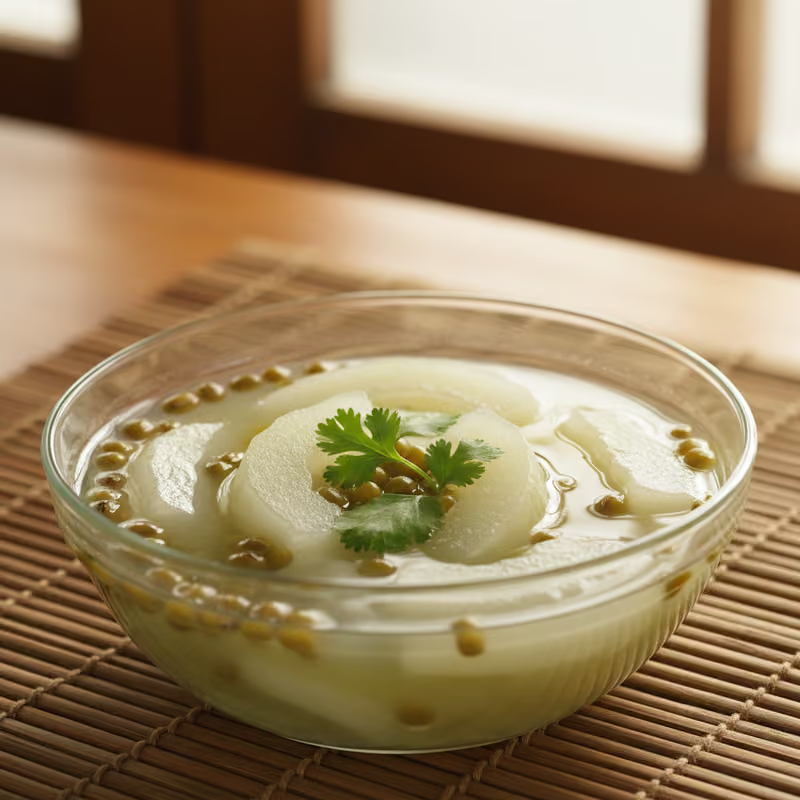
- Yin-Nourishing Foods: Generally cooling, moistening, and calming. Examples include fruits (especially pears, watermelon, berries), vegetables (cucumber, leafy greens, celery, asparagus), white meats (poultry, fish), legumes, and whole grains. These are beneficial for those experiencing heat signs or Yin deficiency.
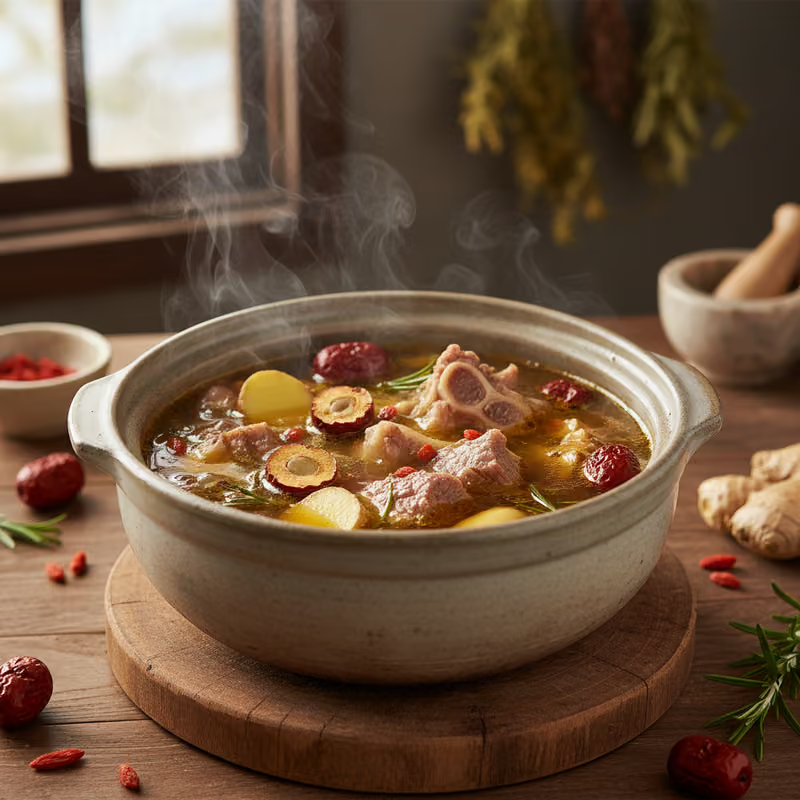
- Yang-Warming Foods: Generally warming, drying, and stimulating. Examples include spices (ginger, cinnamon, chili), root vegetables (carrots, sweet potatoes), red meats, lamb, onions, and garlic. These can be helpful for those with cold signs or Yang deficiency.
- Balanced Approach: Aim for a varied diet that includes both Yin and Yang elements. For instance, a hearty stew (warming, Yang) with plenty of vegetables (cooling, Yin) can be balanced. Pay attention to seasonal eating; consume more warming foods in colder months and cooling foods in warmer months. The Food and Agriculture Organization (FAO) emphasizes diversified diets as a foundation for nutritional well-being, which aligns with the Yin and Yang concept of varied intake.
Movement and Exercise: Balancing activity (Yang) with rest (Yin) is crucial.
- Yang Activities: Vigorous exercises like running, high-intensity interval training, or competitive sports build strength and energy. These are important for cardiovascular health and maintaining metabolism.
- Yin Activities: Calmer, more introspective practices like yoga, Tai Chi, Qigong, walking, or gentle stretching promote flexibility, relaxation, and mental calm. These help conserve and restore Yin energy.
- Harmonious Routine: Incorporate a mix of both. After intense physical activity (Yang), ensure adequate rest, stretching, and hydration (Yin). If feeling overstimulated or stressed (excess Yang), prioritize calming activities. If feeling sluggish or cold (deficient Yang), gentle movement can help stimulate energy.
Rest and Sleep: Adequate rest is fundamental for Yin replenishment.
- Prioritize Sleep: Aim for consistent sleep schedules. The hours of sleep before midnight are traditionally considered particularly nourishing for Yin. Create a peaceful sleep environment (dark, cool, quiet).
- Mindful Rest: Beyond night sleep, incorporate short breaks, meditation, or quiet time during the day to help the body and mind unwind. Avoid overworking without sufficient breaks. The Centers for Disease Control and Prevention (CDC) highlights the importance of adequate sleep for overall health and well-being.
Emotional Balance: Emotions are powerful expressions of Qi and can create imbalances.
- Acknowledge and Process Emotions: Suppressing emotions can lead to stagnation. Practices like journaling, talking to trusted individuals, or engaging in creative expression can help process feelings.
- Stress Management: Chronic stress is often seen as leading to excess Yang or consuming Yin. Incorporate stress-reducing techniques such as deep breathing exercises, mindfulness, or spending time in nature (which can be both Yin and Yang, depending on the activity).
- Cultivate Inner Calm: Practices that foster peace, contentment, and gratitude contribute to a balanced emotional state.
Environmental Considerations: Our environment can also influence Yin and Yang balance.
- Temperature Regulation: Dress appropriately for the weather to avoid extreme exposure to cold (excess Yin) or heat (excess Yang).
- Natural Light: Exposure to natural light during the day supports wakefulness (Yang), while reducing artificial light exposure in the evening supports sleep (Yin).
- Nature Connection: Spending time outdoors, particularly in natural settings, can be grounding and balancing. The calm of a forest (Yin) or the energy of a flowing river (Yang) can both be restorative.
By consciously adjusting these daily habits, individuals can actively participate in maintaining their body's inherent wisdom and promoting a state of dynamic equilibrium.
Common mistakes to avoid
Misinterpreting or misapplying the Yin and Yang framework can lead to practices that do not serve one's health needs. Awareness of these common pitfalls is essential for a beneficial approach.
1. Viewing Yin and Yang as Static Categories:
- Mistake: Labeling foods, activities, or people as purely "Yin" or "Yang" without recognizing their relative and dynamic nature. For example, considering all fruits as purely Yin, even though some might have warming properties for some individuals.
- Correction: Understand that Yin and Yang are relative and contextual. What is Yin in one context might be Yang in another. An intense workout is Yang, but the recovery period following it is Yin. A cold climate (Yin) might call for warming foods (Yang), while a hot climate (Yang) might call for cooling foods (Yin). Focus on the interaction and balance, not rigid classification.
2. Over-Emphasis on One Aspect to the Detriment of the Other:
- Mistake: Believing that "more is better" for either Yin or Yang. For instance, constantly pursuing intense, high-energy (Yang) activities without adequate rest and recovery (Yin), or conversely, being excessively passive and sedentary (extreme Yin) without any stimulating activity (Yang).
- Correction: The goal is balance. An excess of Yang can lead to burnout, inflammation, and anxiety. An excess of Yin can lead to stagnation, coldness, and lethargy. A healthy life requires both activity and rest, stimulation and calm, nourishment and elimination. The body needs both the fuel and the ability to process it, the energy to move and the time to repair.
3. Ignoring Individual Constitutional Differences:
- Mistake: Applying a generalized Yin and Yang dietary or lifestyle recommendation without considering one's unique body constitution, current health status, or environmental factors. A diet that is balancing for one person might be detrimental to another.
- Correction: What constitutes balance is highly individual. A person with a naturally warm constitution (more Yang) might thrive on more cooling, Yin-nourishing foods, whereas someone prone to coldness (more Yin) would benefit from warming, Yang-tonifying foods. Self-observation and, if pursuing TCM, consultation with a qualified practitioner are key to understanding one's specific needs.
4. Self-Diagnosing or Relying on Unverified Information:
- Mistake: Attempting to self-diagnose complex Yin or Yang imbalances based on limited information, or relying on unverified online sources for remedies. This can lead to inappropriate interventions that might exacerbate existing conditions or delay proper medical care.
- Correction: While understanding general principles is empowering, complex imbalances often require the diagnostic skills of a trained professional. For health concerns, especially persistent or severe symptoms, it is always recommended to seek guidance from a qualified healthcare provider. The National Center for Complementary and Integrative Health (NCCIH) at the NIH advises caution regarding claims of unproven remedies.
5. Expecting Instant Results:
- Mistake: Expecting immediate and dramatic changes after implementing a few Yin and Yang-based habits. Imbalances, especially chronic ones, develop over time and typically require consistent, long-term effort to correct.
- Correction: View health as a journey, not a destination. Consistency in daily habits, patience, and mindful adjustments are more effective than sporadic, extreme measures. Small, sustained changes often lead to more profound and lasting improvements in overall well-being.
Avoiding these common mistakes ensures that the application of Yin and Yang principles is both safe and genuinely beneficial, supporting a path towards sustainable health and vitality.
When to see a professional
While understanding Yin and Yang can be a valuable self-awareness tool, it is important to recognize when professional medical or traditional medicine guidance is necessary. The Yin and Yang framework is a complementary approach and should not replace conventional medical diagnosis and treatment for serious health conditions.
Consult a conventional medical doctor if you experience:
- Acute or severe symptoms: Sudden severe pain, high fever, difficulty breathing, unexplained weight loss, changes in vision, persistent vomiting or diarrhea, or any symptom that significantly impacts daily function. These require prompt medical evaluation to rule out serious underlying conditions.
- Chronic and persistent symptoms: Symptoms that do not resolve with lifestyle adjustments or home remedies, or that worsen over time, such as chronic fatigue, persistent digestive issues, unexplained swelling, or chronic pain.
- Signs of significant imbalance: While Yin and Yang provide a framework, symptoms like severe night sweats, extreme sensitivity to cold, unmanageable anxiety, or severe sleep disturbances should be discussed with a medical doctor to identify any physiological causes.
- Pre-existing medical conditions: If you have diagnosed conditions like diabetes, heart disease, autoimmune disorders, or cancer, any new or worsening symptoms should be reported to your treating physician.
- Medication concerns: If you are taking prescription medications, always consult your medical doctor before making significant dietary changes or incorporating herbal supplements, as there can be interactions. The U.S. Food and Drug Administration (FDA) provides guidance on drug interactions and the safety of dietary supplements.
Consider consulting a licensed Traditional Chinese Medicine (TCM) practitioner if you:
- Are interested in a holistic assessment: A qualified TCM practitioner can offer a comprehensive diagnosis based on pulse, tongue, and symptom analysis, identifying specific patterns of Yin and Yang imbalance tailored to your constitution.
- Seek complementary support for chronic conditions: TCM therapies like acupuncture, herbal medicine, and dietary advice can often complement conventional treatments for conditions such as chronic pain, digestive disorders, fertility challenges, or stress-related issues.
- Wish to deepen your understanding of Yin and Yang application: A practitioner can provide personalized guidance on how to integrate Yin and Yang principles into your diet, lifestyle, and emotional regulation more effectively and safely.
- Experience symptoms that are difficult to diagnose or treat with conventional medicine alone: Sometimes, individuals experience "unexplained" symptoms that a TCM framework might help to address from an energetic perspective.
Important Considerations:
- Credentials: Always ensure that any TCM practitioner you consult is licensed and properly credentialed in your region. Many countries and states have regulatory bodies for TCM.
- Communication: Inform both your medical doctor and your TCM practitioner about all treatments, medications, and supplements you are using to ensure coordinated and safe care.
The goal is to leverage the strengths of both conventional medicine and traditional healing systems responsibly, prioritizing your safety and well-being.
Frequently asked questions
What is the fundamental concept of Yin and Yang?
The fundamental concept of Yin and Yang describes two interdependent, complementary, and opposing forces that maintain balance in the universe and within the human body. Yin represents qualities such as coolness, darkness, passivity, and structure, while Yang represents warmth, light, activity, and function. They are not absolute but relative, constantly interacting and transforming into one another to maintain dynamic equilibrium. In health, this balance signifies well-being, while imbalance is seen as the root of illness.
How does Yin and Yang relate to diet and food choices?
In the context of Yin and Yang, foods are categorized by their energetic properties rather than just their nutritional content. Yin foods are generally cooling, moistening, and calming (e.g., fruits, leafy greens, most fish), beneficial for internal heat or dryness. Yang foods are warming, drying, and stimulating (e.g., spices, root vegetables, red meat), helpful for internal coldness or sluggishness. A balanced diet incorporates both, adjusted seasonally and according to individual constitution, to support the body's overall equilibrium.
Can Yin and Yang principles help with stress and anxiety?
Yes, Yin and Yang principles can offer a framework for managing stress and anxiety. Chronic stress and anxiety are often viewed as an excess of Yang energy (overactivity, heat, agitation) or a depletion of Yin (lack of calm, nourishment, rest). Strategies like incorporating calming Yin activities (meditation, gentle yoga, adequate sleep), nourishing Yin-rich foods, and avoiding excessive stimulants (Yang) can help restore balance. Addressing emotional disharmony and creating routines that prioritize rest and mindfulness are key components.
What are common signs of Yin deficiency?
Yin deficiency is characterized by a lack of cooling and nourishing Yin substances, leading to relative internal heat. Common signs can include night sweats, flushed cheeks (especially in the afternoon), dry mouth and throat (especially at night), thirst with a desire for small sips of water, a feeling of heat in the palms, soles, and chest (five-palm heat), general restlessness, insomnia, and sometimes irritability or anxiety. These symptoms often worsen in the evening or after periods of overwork.
Is the Yin and Yang framework recognized by mainstream health organizations?
The Yin and Yang framework is a foundational concept within Traditional Chinese Medicine (TCM), which is recognized by organizations such as the World Health Organization (WHO) as a system of traditional medicine. While the specific diagnostic and treatment methodologies of TCM differ from conventional Western medicine, major health bodies like the WHO acknowledge the role of traditional medicine systems globally. Research into various aspects of complementary and integrative health, including components of TCM, is also supported by organizations such like the National Institutes of Health (NIH) in the United States.
Key takeaways
- Dynamic Balance: Yin and Yang are complementary, interdependent forces. Health is a state of dynamic balance between them, not a static condition.
- Holistic Perspective: The framework offers a holistic view, considering diet, lifestyle, emotions, and environment as interconnected aspects of health.
- Individualized Approach: What constitutes balance is unique to each individual, influenced by their constitution, current state, and surroundings.
- Practical Applications: Principles can be applied to daily habits in diet, exercise, rest, and emotional management to promote well-being.
- Mindful Awareness: Cultivating awareness of one's body signals and making conscious choices that support equilibrium is key.
- Professional Guidance: While insightful, the Yin and Yang framework should complement, not replace, conventional medical care, especially for serious or persistent health concerns. Consultation with licensed professionals in both conventional and traditional medicine is advised when needed.
Related reading
Keep exploring this topic with our related, evidence-reviewed guides:
- Chinese Postnatal and Recovery Traditions: Rest, Warmth, and Nourishment — A practical, evidence-informed guide to chinese confinement — what matters, what works, common mistakes, and when to consult a pro…
- Chinese Soups and Broths: Slow-Cooked Nutrition for Recovery — A practical, evidence-informed guide to chinese soup benefits — what matters, what works, common mistakes, and when to consult a p…
- Tai Chi for Beginners: A 20-Minute Daily Routine for Joints and Balance — A practical, evidence-informed guide to tai chi for beginners — what matters, what works, common mistakes, and when to consult a p…
- Congee: Why China's Healing Breakfast Is Good for Digestion — A practical, evidence-informed guide to congee benefits — what matters, what works, common mistakes, and when to consult a profess…
- Chinese Mushroom Wisdom: Shiitake, Reishi, and Wood Ear for Immunity — A practical, evidence-informed guide to medicinal mushrooms — what matters, what works, common mistakes, and when to consult a pro…
- Chinese Seasonal Eating: How to Match Your Plate to the Time of Year — A practical, evidence-informed guide to chinese seasonal eating — what matters, what works, common mistakes, and when to consult a…
Sources
- World Health Organization (WHO)
- Centers for Disease Control and Prevention (CDC)
- National Institutes of Health (NIH)
- Mayo Clinic
- Food and Agriculture Organization (FAO)
- U.S. Food and Drug Administration (FDA)
Sources
Evidence & citations
- Every claim in this chinese health wisdom guide is backed by primary data — browse the longevity and lifestyle health statistics in our sourced statistics library.
- Writing about this topic? Researchers, journalists and educators can cite our traditional Chinese health research with ready-made APA, MLA and Chicago references.
My notes on this one
The short version of 15 minutes of reading — what stuck with me while writing “Yin and Yang in Health: The Chinese Framework for Balance”, what the sources back up, and what I'd actually do about it.
What I'd take away
01 · Why this matters
The National Institutes of Health (NIH) acknowledges the growing public interest in complementary and integrative health approaches, of which TCM is a significant part…
02 · Key principles
These principles guide practitioners in identifying patterns of disharmony and formulating strategies to restore balance, often involving dietary changes, herbal remedies, acupuncture…
03 · Practical daily habits
Yang Activities: Vigorous exercises like running, high-intensity interval training, or competitive sports build strength and energy. These are important for cardiovascular health and maintaining metabolism.
04 · Common mistakes to avoid
Expecting Instant Results: Avoiding these common mistakes ensures that the application of Yin and Yang principles is both safe and genuinely beneficial…
What the sources I read actually say
Imbalance can manifest in various ways: The World Health Organization (WHO) has developed standards for the international classification of traditional medicine conditions…
World Health OrganizationMoreover, the Yin and Yang framework emphasizes prevention and maintenance, aligning with the growing emphasis on wellness rather than solely disease treatment.
Centers for Disease Control and PreventionThe National Institutes of Health (NIH) acknowledges the growing public interest in complementary and integrative health approaches, of which TCM is a significant part…
National Institutes of Health
Questions I kept coming back to
What is the fundamental concept of Yin and Yang?+
The fundamental concept of Yin and Yang describes two interdependent, complementary, and opposing forces that maintain balance in the universe and within the human body. Yin represents qualities such as coolness, darkness, passivity, and structure, while Yang represents warmth, light, activity, and function. They are not absolute but relative…
How does Yin and Yang relate to diet and food choices?+
In the context of Yin and Yang, foods are categorized by their energetic properties rather than just their nutritional content. Yin foods are generally cooling, moistening, and calming (e.g., fruits, leafy greens, most fish), beneficial for internal heat or dryness. Yang foods are warming, drying, and stimulating (e.g., spices, root vegetables, red meat), helpful for internal coldness or sluggishness…
Can Yin and Yang principles help with stress and anxiety?+
Yes, Yin and Yang principles can offer a framework for managing stress and anxiety. Chronic stress and anxiety are often viewed as an excess of Yang energy (overactivity, heat, agitation) or a depletion of Yin (lack of calm, nourishment, rest). Strategies like incorporating calming Yin activities (meditation, gentle yoga, adequate sleep), nourishing Yin-rich foods…
What are common signs of Yin deficiency?+
Yin deficiency is characterized by a lack of cooling and nourishing Yin substances, leading to relative internal heat. Common signs can include night sweats, flushed cheeks (especially in the afternoon), dry mouth and throat (especially at night), thirst with a desire for small sips of water, a feeling of heat in the palms, soles, and chest (five-palm heat), general restlessness, insomnia…
Is the Yin and Yang framework recognized by mainstream health organizations?+
The Yin and Yang framework is a foundational concept within Traditional Chinese Medicine (TCM), which is recognized by organizations such as the World Health Organization (WHO) as a system of traditional medicine. While the specific diagnostic and treatment methodologies of TCM differ from conventional Western medicine, major health bodies like the WHO acknowledge the role of traditional medicine systems globally…
Was this article helpful?
Be the first to rate this article.
Written by
FaizRuh
I write Health Hub Pro on my own — no clinical licence, no anonymous review panel. Just the published guidance, read carefully and explained plainly.
More about me →How this page was checked
Every claim above is checked against the sources listed at the bottom of this article — WHO, CDC, NIH, NHS, Cochrane and major clinical guidelines. Drafting is AI-assisted; the editing, fact-checking and final wording are mine. It's information, not medical advice. Spotted an error? Tell me and I'll fix it.
Last checked on