
Halal Nutrition: An Evidence-Based Guide
How to eat for health while honoring Islamic dietary principles — from balanced macronutrients to Sunnah foods, fasting, and mindful eating.
Overview
Halal nutrition is more than a list of permitted foods — it is a complete philosophy of eating that begins with sourcing (halal and tayyib), continues with moderation and gratitude, and ends with how food shapes worship, body, and community. The Qur'an instructs believers to "eat of the good and lawful things" (2:168) and the Prophet ﷺ modeled the balance most modern dietitians now recommend: fill a third with food, a third with drink, and leave a third for breath.
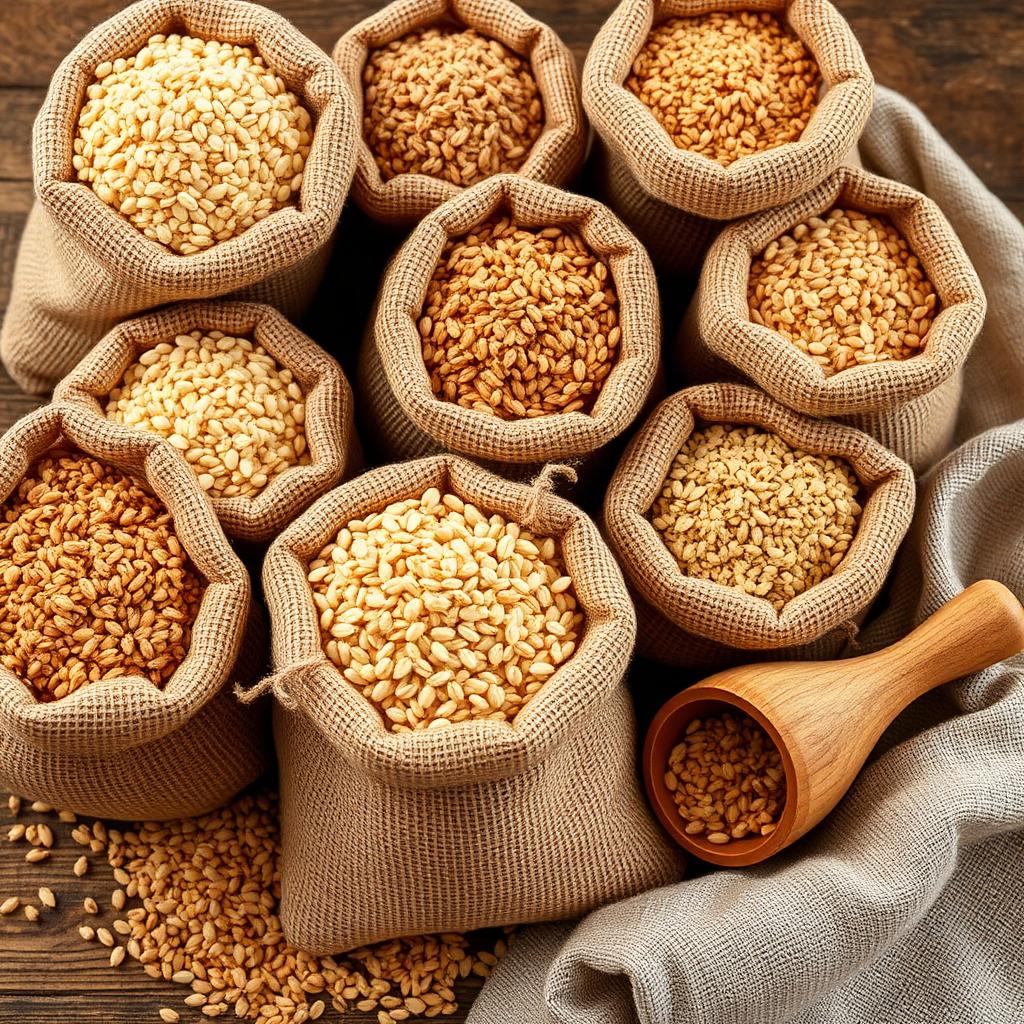
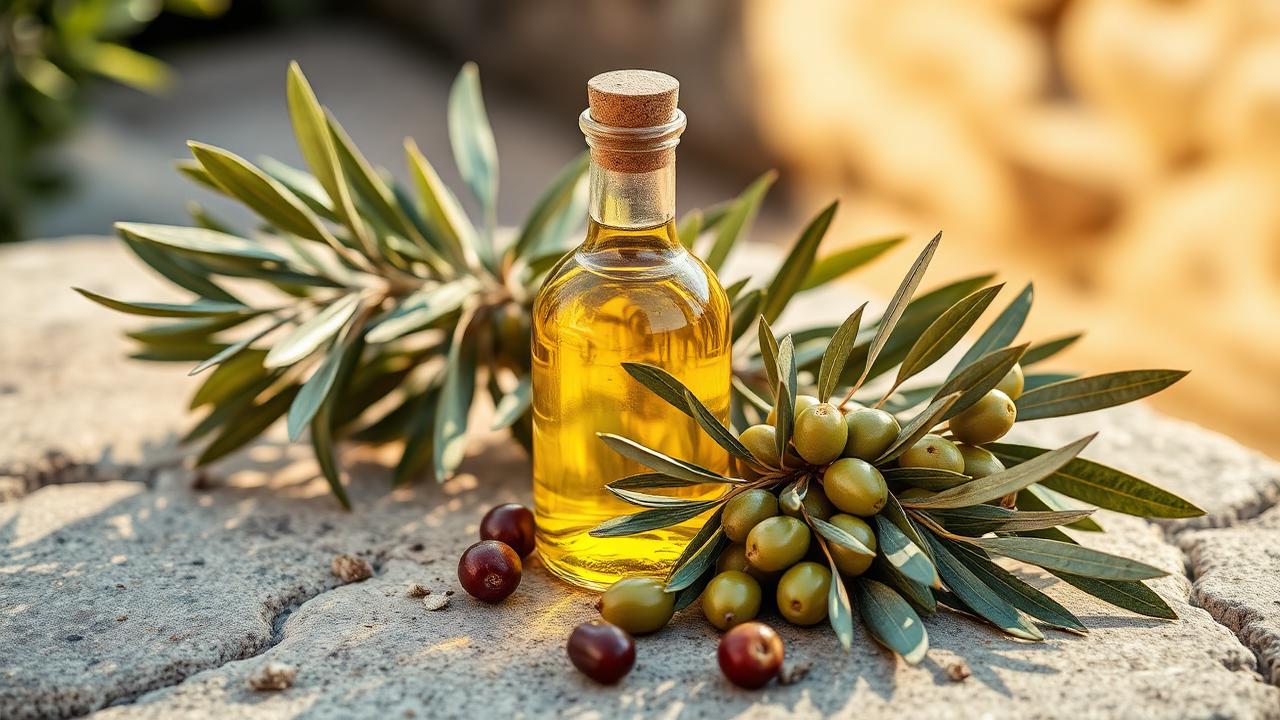
Modern nutrition science has independently validated many Sunnah practices: time-restricted eating (analogous to fasting), whole-food, minimally processed diets rich in dates, olive oil, barley, honey, figs, and pomegranate — all foods explicitly praised in Islamic tradition. This guide brings those two streams together with clinician-reviewed, evidence-based recommendations you can apply this week.
Key principles
Halal + Tayyib, not just halal
Something can be technically permissible yet ultra-processed and harmful. Aim for tayyib — pure, wholesome, and nourishing — as the higher standard.
Moderation is worship
The Sunnah of leaving room in the stomach maps directly onto today's evidence for portion control, insulin sensitivity, and metabolic health.
Whole foods first
Center meals on vegetables, legumes, whole grains, olive oil, and lean protein. Treat sugar-sweetened drinks and ultra-processed foods as occasional, not daily.
Fast intentionally
Ramadan, Monday/Thursday, and Ayyam al-Bid fasts overlap with the strongest current evidence on intermittent fasting for cardiometabolic health.
Halal Nutrition Principles
The Islamic framework for eating: tayyib, moderation, and gratitude.
New articles coming soon for this sub-topic.
Sunnah Superfoods
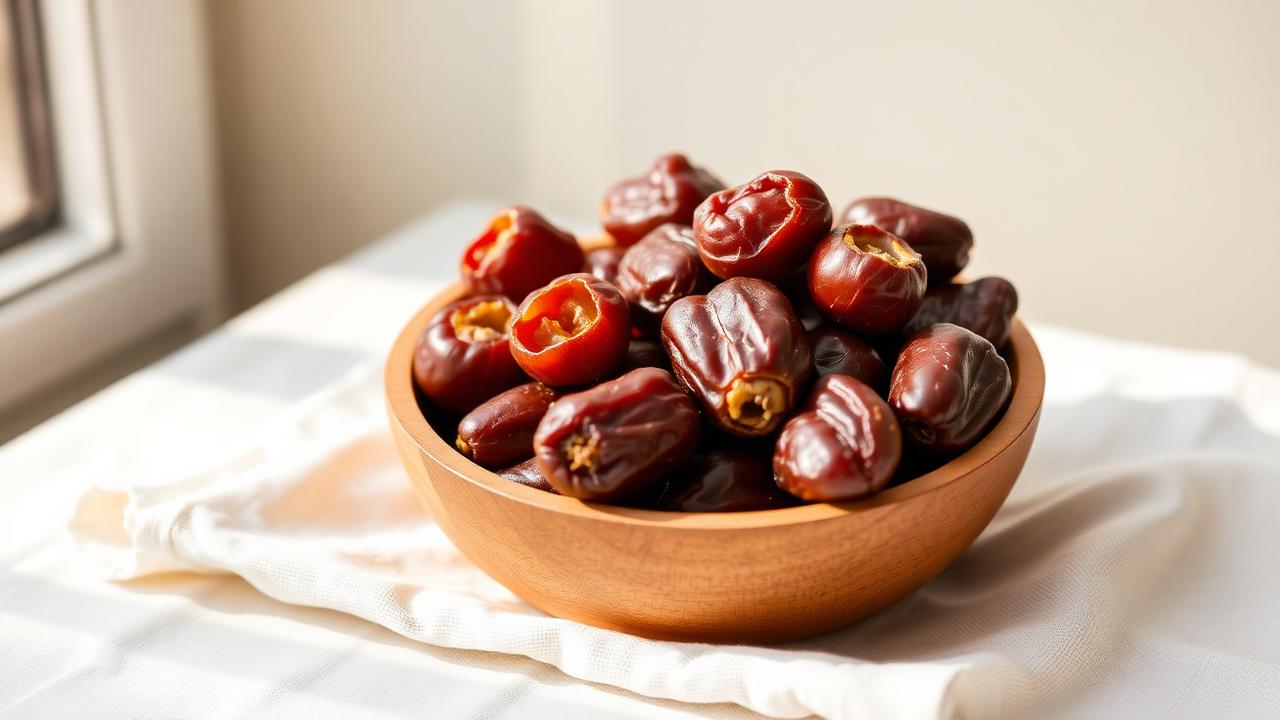
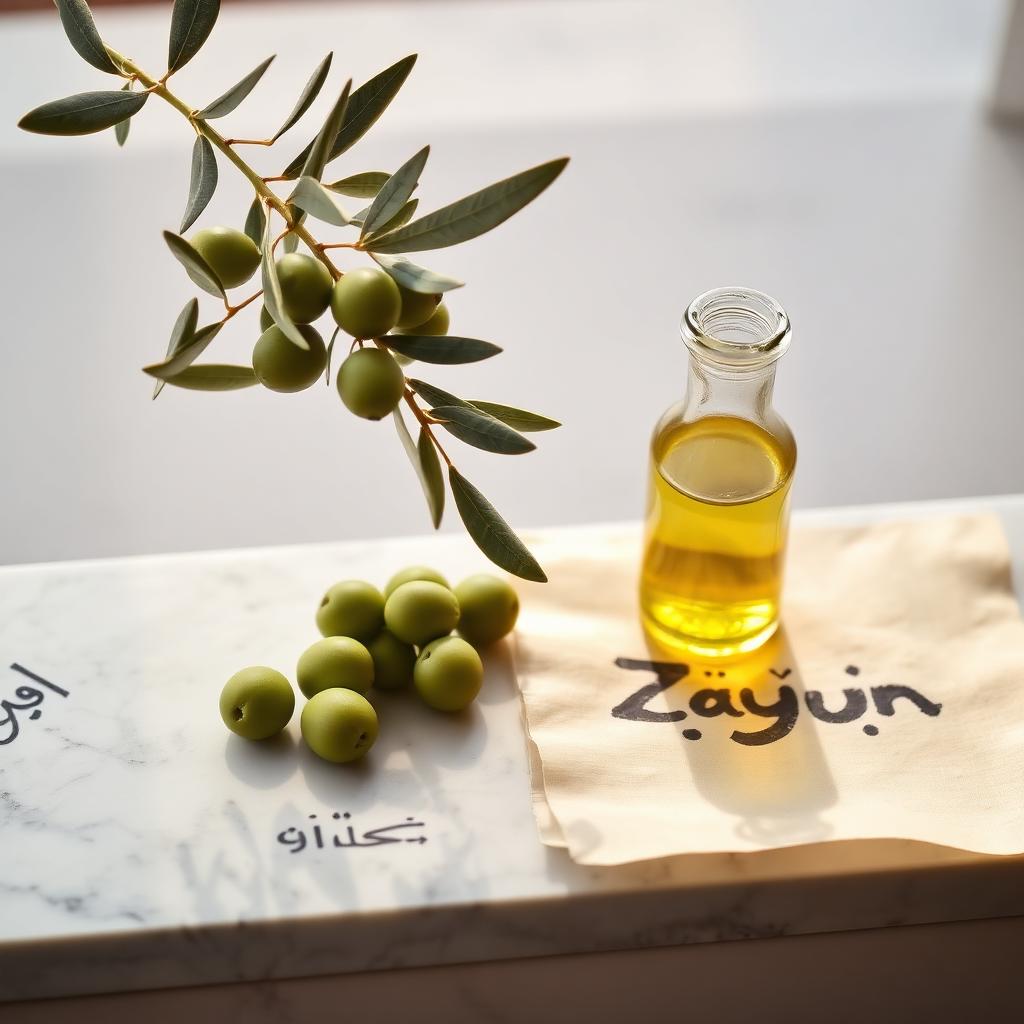
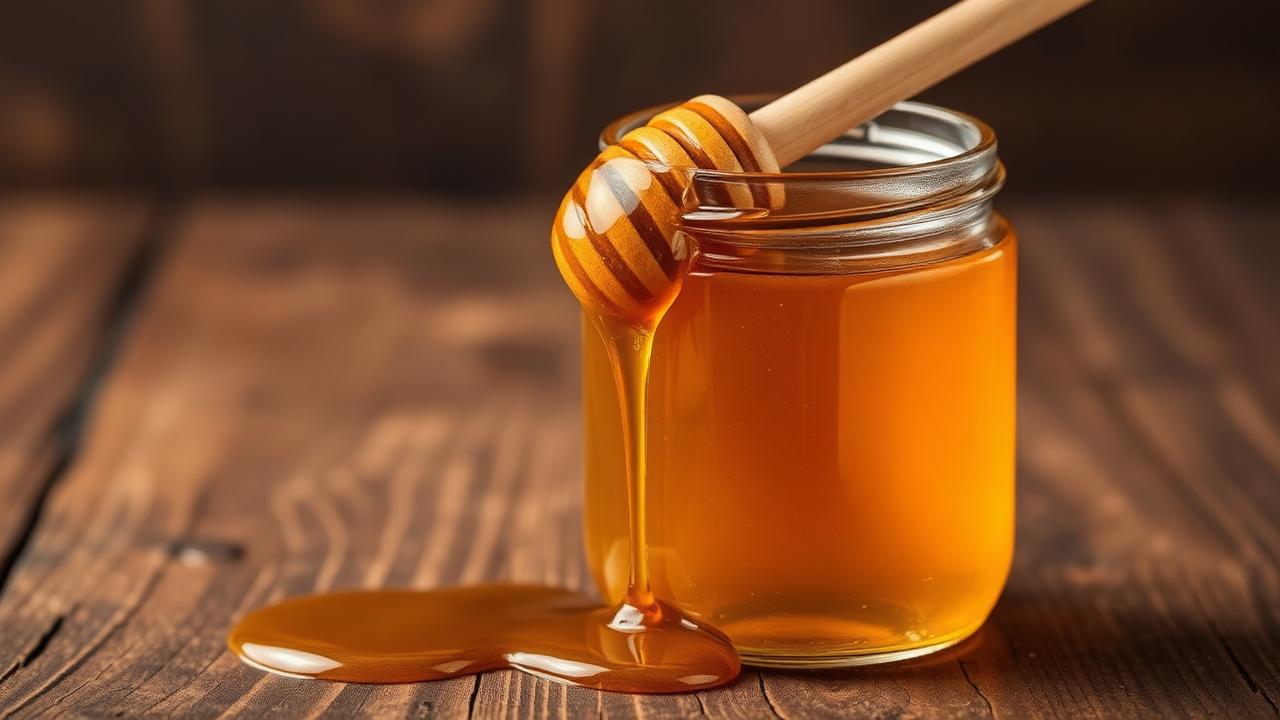
Dates, honey, olive oil, barley, figs, pomegranate, and their modern nutritional value.
Fasting for Health
Ramadan, Sunnah fasting (Monday/Thursday, Ayyam al-Bid), and intermittent fasting evidence.


Gut Health & Metabolism
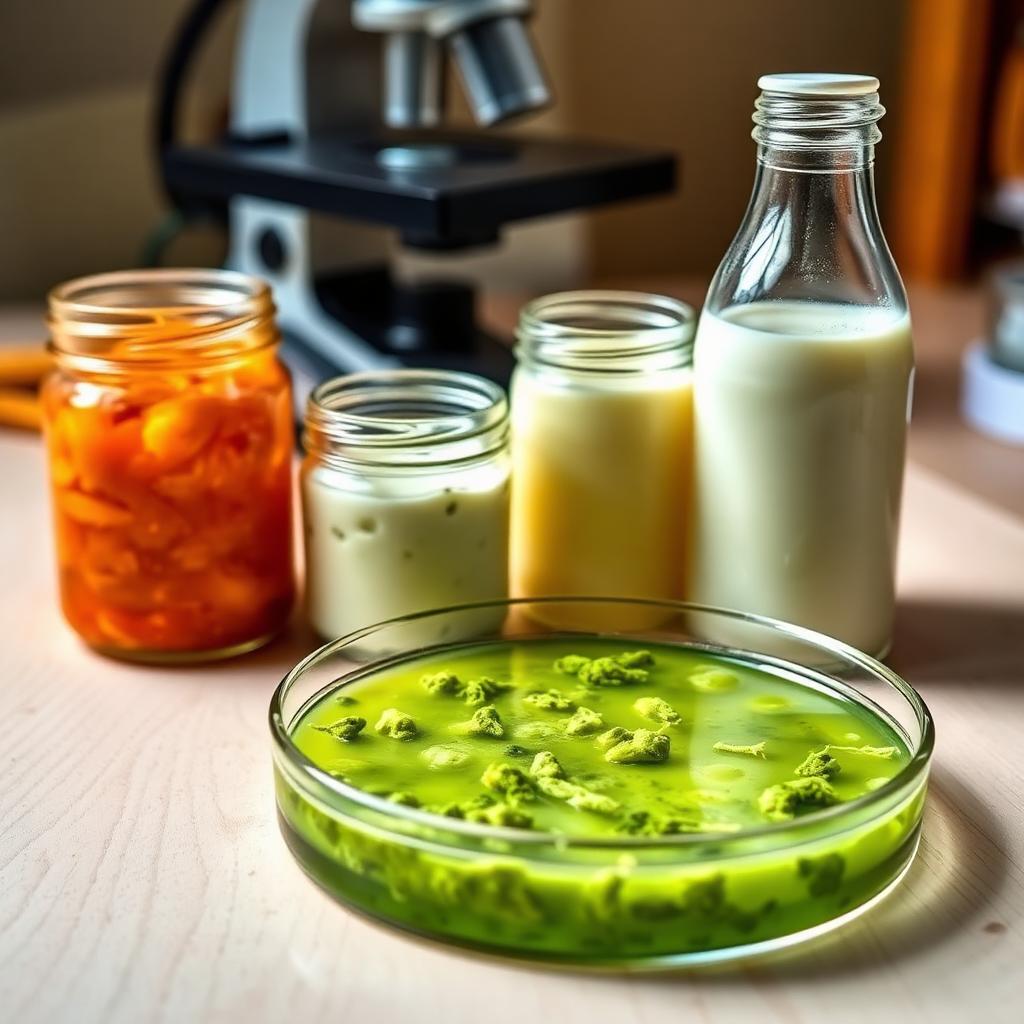
Fiber, probiotics, blood sugar, and metabolic health with halal foods.


Frequently asked questions
Is halal food automatically healthy?+
No. Halal defines what is permissible, not what is nutritious. A halal donut is still a donut. The Islamic concept of tayyib (pure, wholesome) is the second filter — choose halal foods that are also minimally processed and nutrient-dense.
What did the Prophet ﷺ eat in a typical day?+
Reports describe a diet centered on barley bread, dates, olive oil, honey, milk, and vegetables, with meat eaten occasionally. Meals were small, shared, and eaten mindfully — patterns closely aligned with today's Mediterranean-style dietary evidence.
Is intermittent fasting the same as Islamic fasting?+
They overlap significantly. Time-restricted eating windows used in IF studies mirror the sunrise-to-sunset structure of Ramadan and Sunnah fasts, and the metabolic benefits — improved insulin sensitivity, cellular repair, weight management — are well documented in peer-reviewed research.
Are supplements halal?+
Check the source. Gelatin capsules, some vitamin D3, glycerin, and certain flavorings can be derived from non-halal sources. Look for halal or vegan-certified alternatives, and ask a knowledgeable pharmacist or scholar when in doubt.